The Many Charms of Paris’s Left Bank
Like the West Village in New York or Trastevere in Rome, Paris’s Left Bank (or Rive Gauche) has a history filled with students, bohemians, intellectuals, and artists. And while today, neighborhoods like the Latin Quarter and Saint-Germain-des-Prés are hardly under-the-radar, they maintain a distinctly Parisian charm. On the Right Bank, buildings stand astride wide plazas and on grand boulevards; on the Left Bank, treasures are tucked down meandering stone streets. Everyone has their favorites, but the magic of Paris is that it has both. If you’re the type of traveler who is as delighted by a hotspot that opened last September and an institution that’s been serving perfect beef bourguignon since the 50s, here are some of Local Foreigner’s recommendations for the next time you find yourself south of the Seine.
Local Foreigner’s Left Bank Favorites
Where to Eat
Brass | Red leather banquettes, mosaic floors, terrace, and cubist-inspired art.
Cherry | Italian-American supper club; known for vodka rigatoni and a lively party vibe.
Localino | Legendary pasta on marble tables; make sure to order the tortellini.
Chez René | Classic bistro under gallery posters paired with iconic French cuisines.
Joséphine Chez Dumonet | Traditional Parisian dining; famous towering soufflé is a must.
Le Petit Thaï | Thai hole-in-the-wall; try their standout lemongrass beef salad.
Ten Belles | Pair famous specialty-coffee with on-site sourdough.
Coutume | Couple a flat-white with a weekend brunch, sweet or savory.
Colorova | A long brunch, delectable pastries, and a cheerful setting.
Le Petit Lutetia | Order smoked salmon or roast chicken surrounded by art traded by past patrons.
La Petite Chaise | Reputedly the oldest restaurant in Paris, serving classic French fare.
Bar des Prés | Cyril Lignac's Franco-Japanese counter; lacquered eel and California rolls.
Bars
Cravan | Four-floor cocktail den in a 17th-century townhouse; it’s worth sauntering around.
Castor Club | Unmarked speakeasy with a stuffed beaver behind the bar and a weekend dance-floor basement.
Prescription Cocktail Club | Theatrical bar with draped fabric, trompe l'oeil murals, and a tarot-card-style menu.
Where to Eat
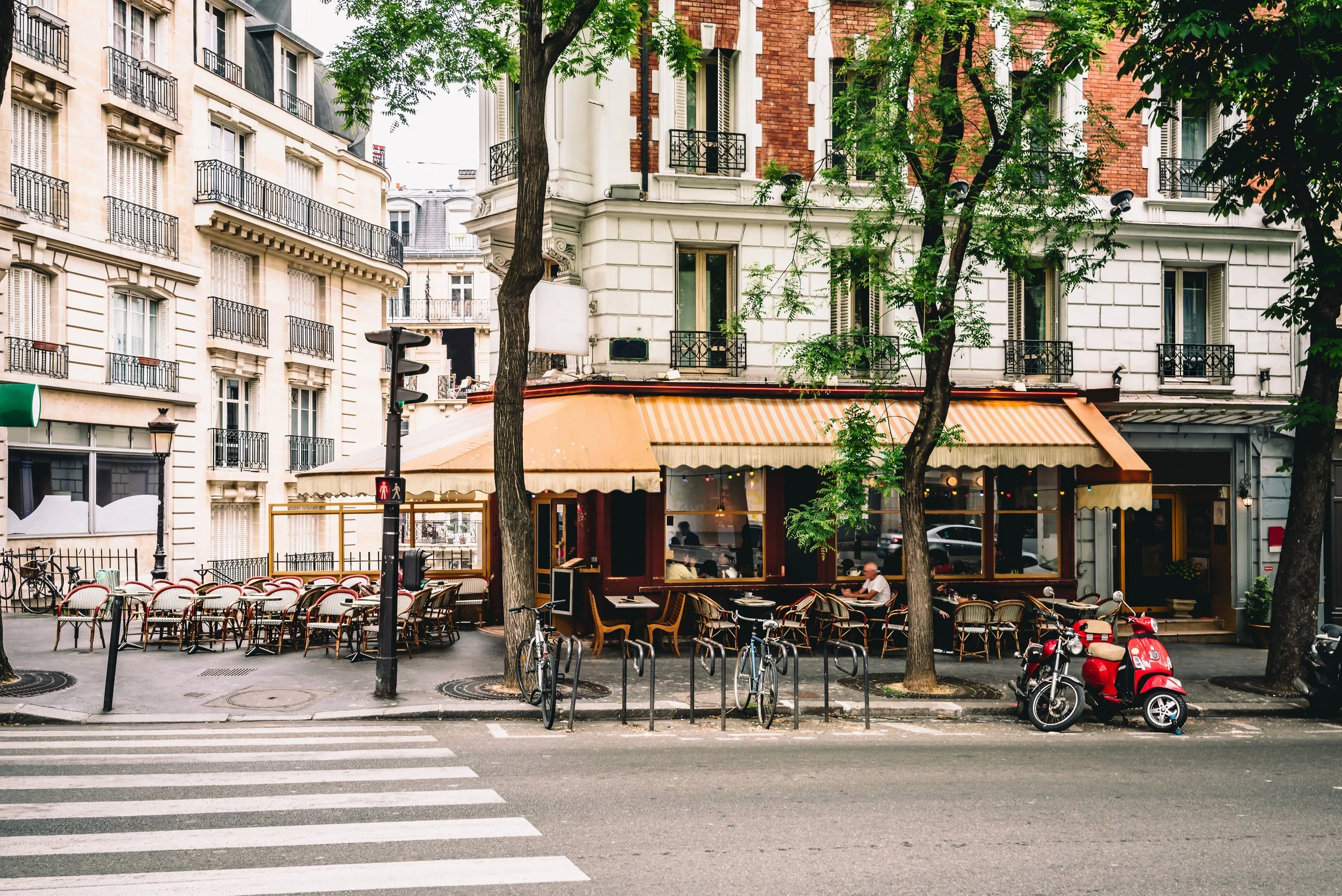
Rival cafes Les Deux Magots and Café de Flore sit a block apart in the sixth arrondissement, their patrons fiercely loyal to one or the other for more than a century. But the contemporary culinary scene of the area draws on a different kind of drama. Moody, theatrical, Brass (on Boulevard Saint-Germain at the Mabillon crossroads) is the brasserie that reopened the old Léon de Bruxelles mussels spot, with red leather banquettes, mosaic floors, and a terrace made for watching promenading Parisians. Large-scale paintings on the walls nod to the cubists who called this neighborhood home at the turn of the twentieth century.
For more drama, start with a vibrant crudo and finish with a towering sundae at Cherry (1 Rue du Sabot, at the corner of Rue du Dragon). The dining room, which served Italian-American plates, is dressed like a Brooklyn supper club, with dim lighting and a soundtrack that moves from jazz to hip-hop as the night goes on. The kitchen does vodka rigatoni and meatballs with a wink, but really you're there for the vibe, as dinner tends to turn into a party. Localino (10 Rue de l'Odéon) is another place to get your pasta fix - a tiny, glamorous little room with fifties light fixtures, a marble bar, and a menu that changes with whatever's in season. Order whatever tortellini is coming out of the open kitchen.
Classicists need not be alarmed that there’s too much spaghetti happening around here. Chez René (14 Boulevard Saint-Germain) has been serving boeuf bourguignon and coq au vin from cast-iron pots since 1957, under gallery posters that have been on the wall just as long, and Joséphine Chez Dumonet (117 Rue du Cherche-Midi) is a proper Parisian dining room - the sort of spot where you’ll hit bingo on your French staples with your eyes closed. (The towering souffle is not to be missed.) And when the craving is for something entirely different, Le Petit Thaï (62 Rue de Bellechasse, 7th) serves up a best beef salad spiked with lemongrass, char, and just a little heat.
For coffee and something sweet, Ten Belles (3 Rue du Cherche-Midi) is one of the addresses that helped start the city's specialty-coffee movement, with a small-batch roast and excellent sourdough baked on-site. Coutume (47 Rue de Babylone) is a favorite for a proper flat white and a weekend brunch that will satisfy both those with a sweet tooth and those who prefer savory. Colorova (47 Rue de l'Abbé Grégoire) serves lunch and brunch only in a cheerfully designed room, with a menu built around dishes like poached egg on Nordic bread with pea purée and herbed labneh.
For a proper sit-down meal, Le Petit Lutetia (107 Rue de Sèvres), with its mustard awning, has been around long enough that its walls are hung with paintings artists once traded for meals; order the smoked salmon or the roast chicken. La Petite Chaise (36 Rue de Grenelle) claims to be the oldest restaurant in Paris, dating to 1680, and serves resolutely classic French food in a dining room that looks the part. And Bar des Prés (25 Rue du Dragon), Cyril Lignac's Franco-Japanese counter, is worth the splurge for lacquered eel and California rolls in a room that like a very chic pocket of Tokyo was transported to gay Paree.
Where to Drink
The cocktail scene is alive and well à Paris. Cravan (165 Boulevard Saint-Germain) is an entire building given over to the ideal form: four floors inside a 17th-century townhouse, with a ground-floor bar, a first-floor lounge, a second-floor library co-signed by Rizzoli New York, and (if you make the right friends) a rooftop cinema kiosk that seats a handful of people at most. The cocktails are precise and literary, which tracks, since the whole place was dreamed up by a cocktail historian and author of French Moderne: Cocktails from the Twenties and Thirties With Recipes.
For something more hidden, Castor Club (14 Rue Hautefeuille) is a Left Bank speakeasy in the truest sense. It’s tucked down a quiet street off Boulevard Saint-Germain, unmarked, with a stuffed beaver behind the bar (of course) and a basement that turns into a dance floor on weekends. Prescription Cocktail Club (23 Rue Mazarine) leans into theater: draped fabric, trompe l'oeil murals, upholstered walls, a bowler-hat light fixture, and a menu that reads like a tarot deck.
Where to Stay
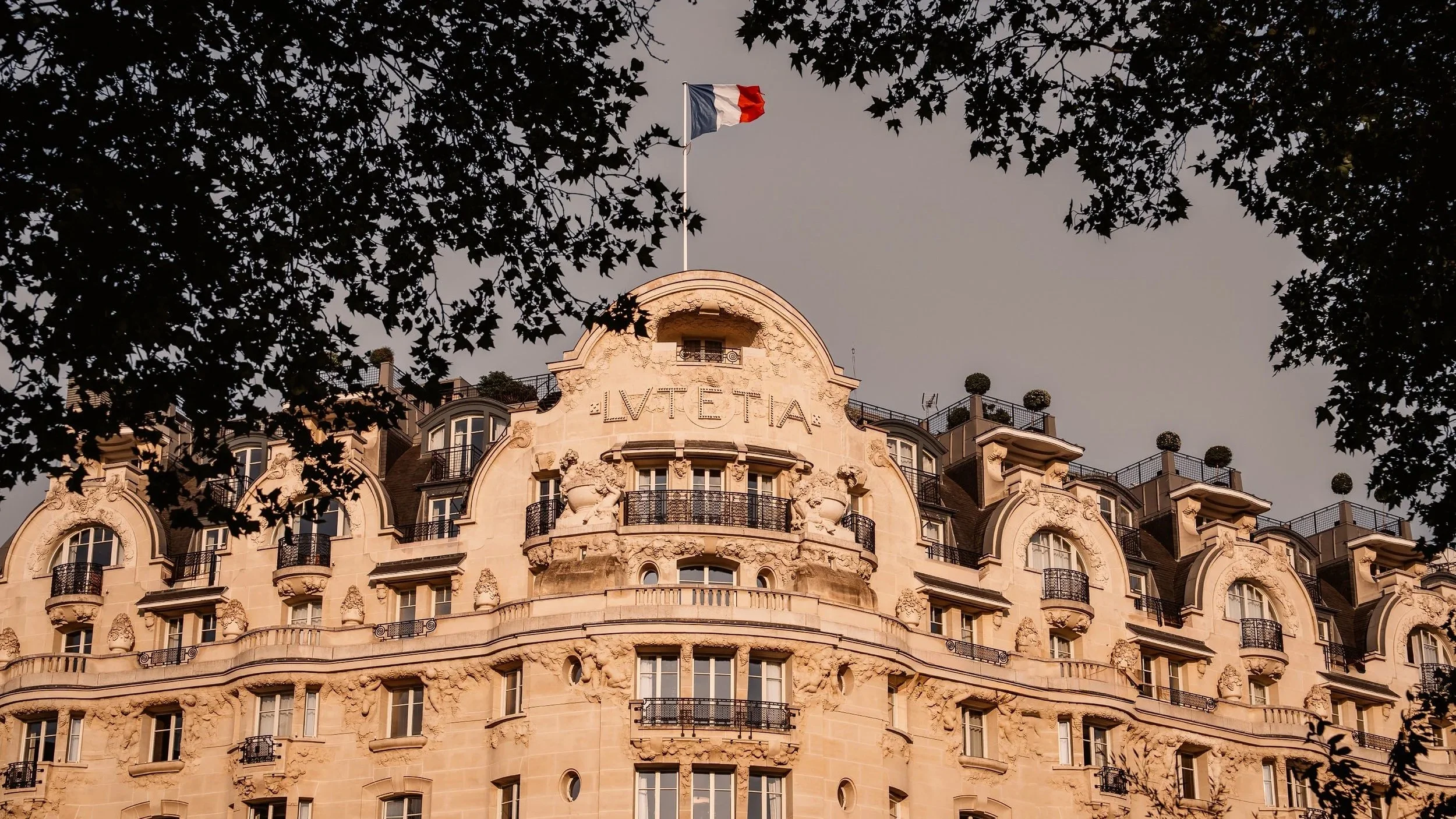
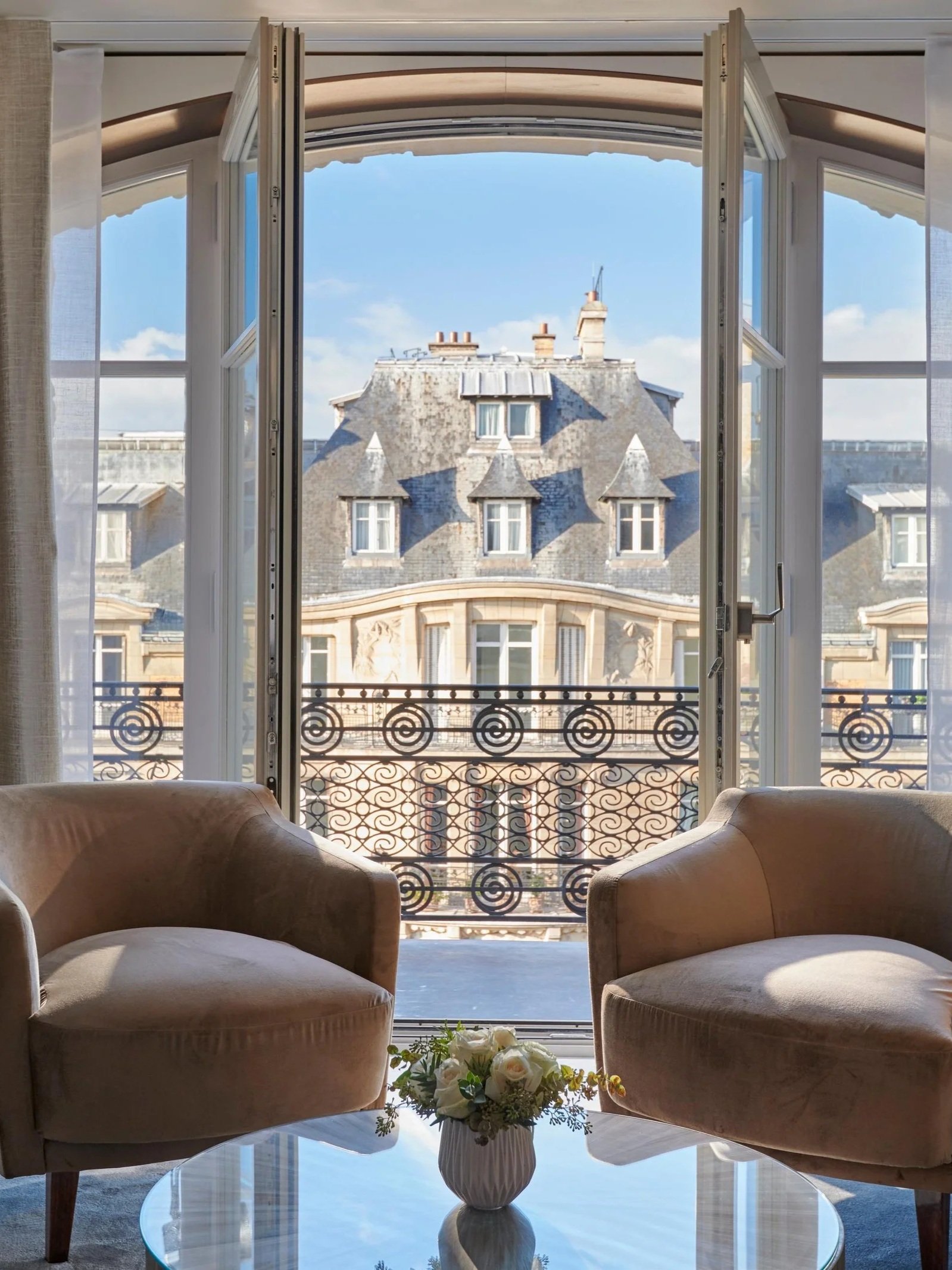
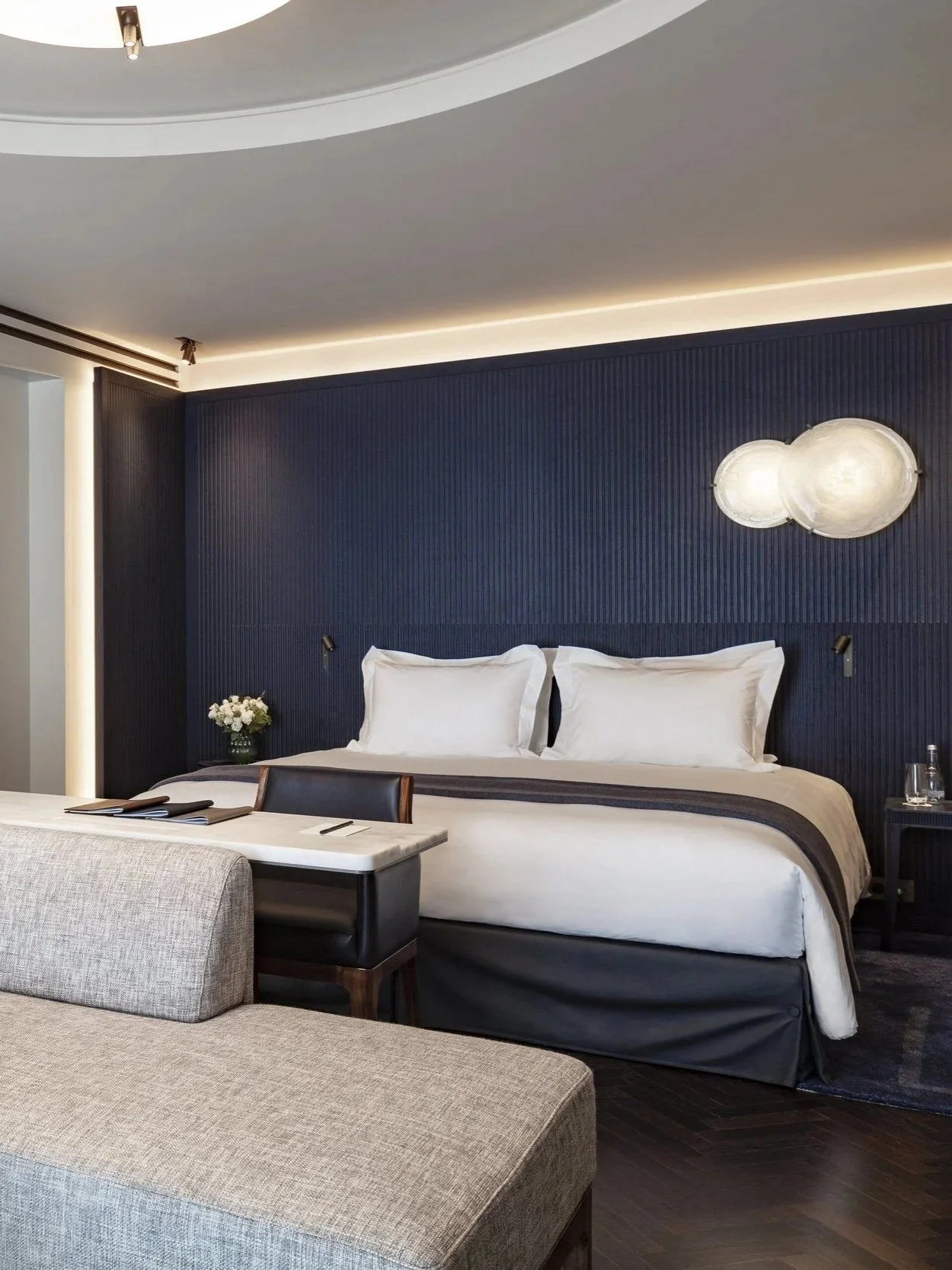
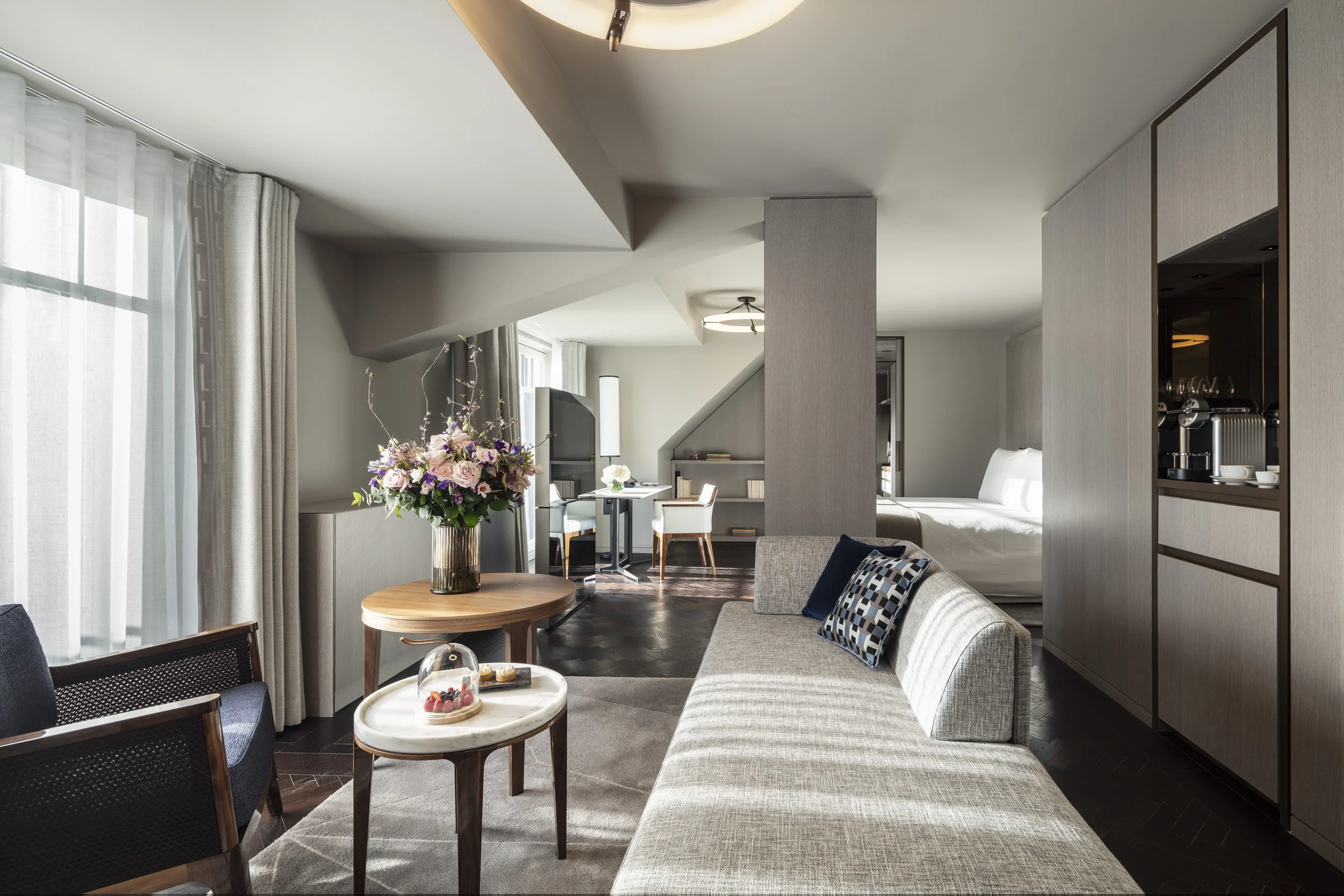
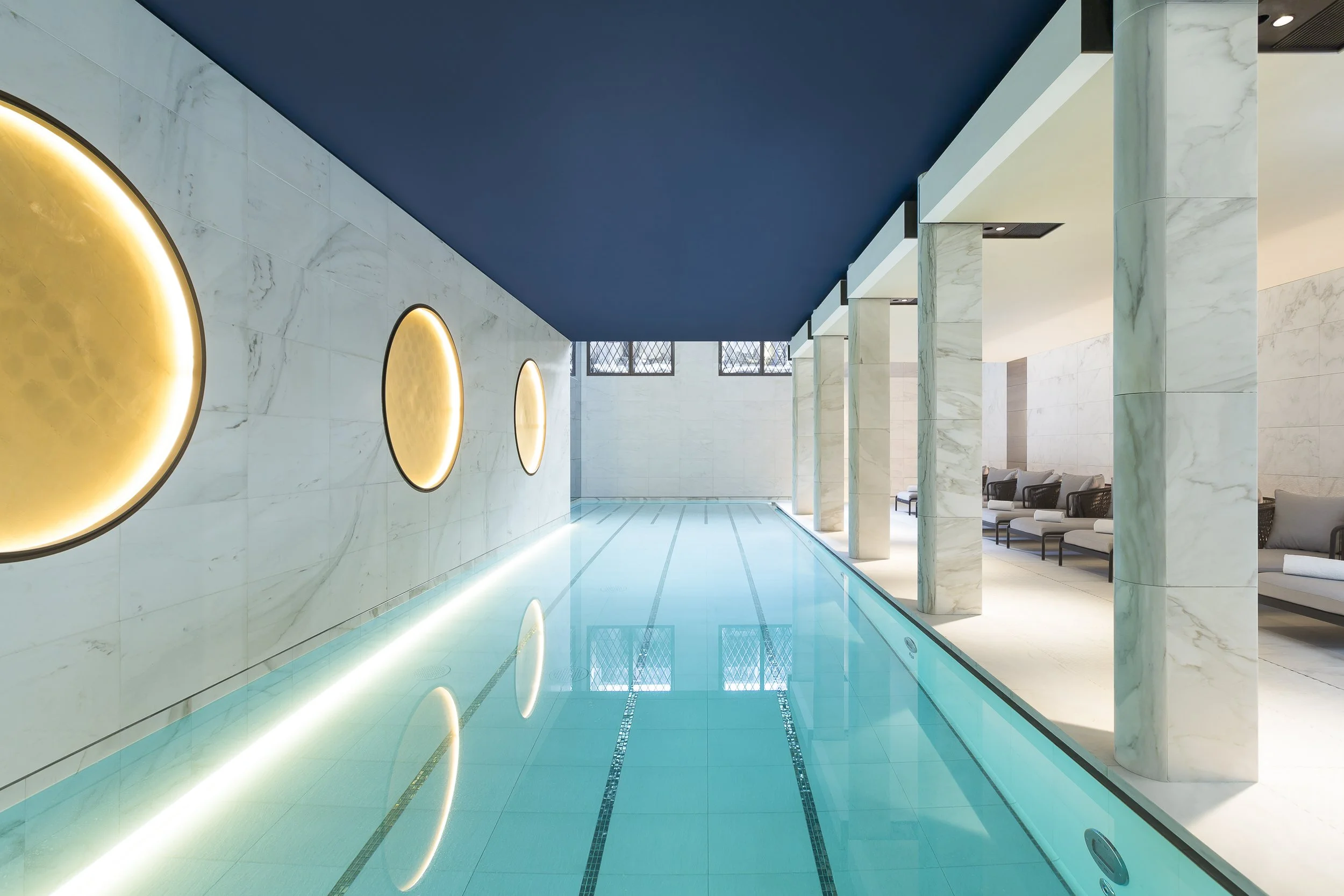
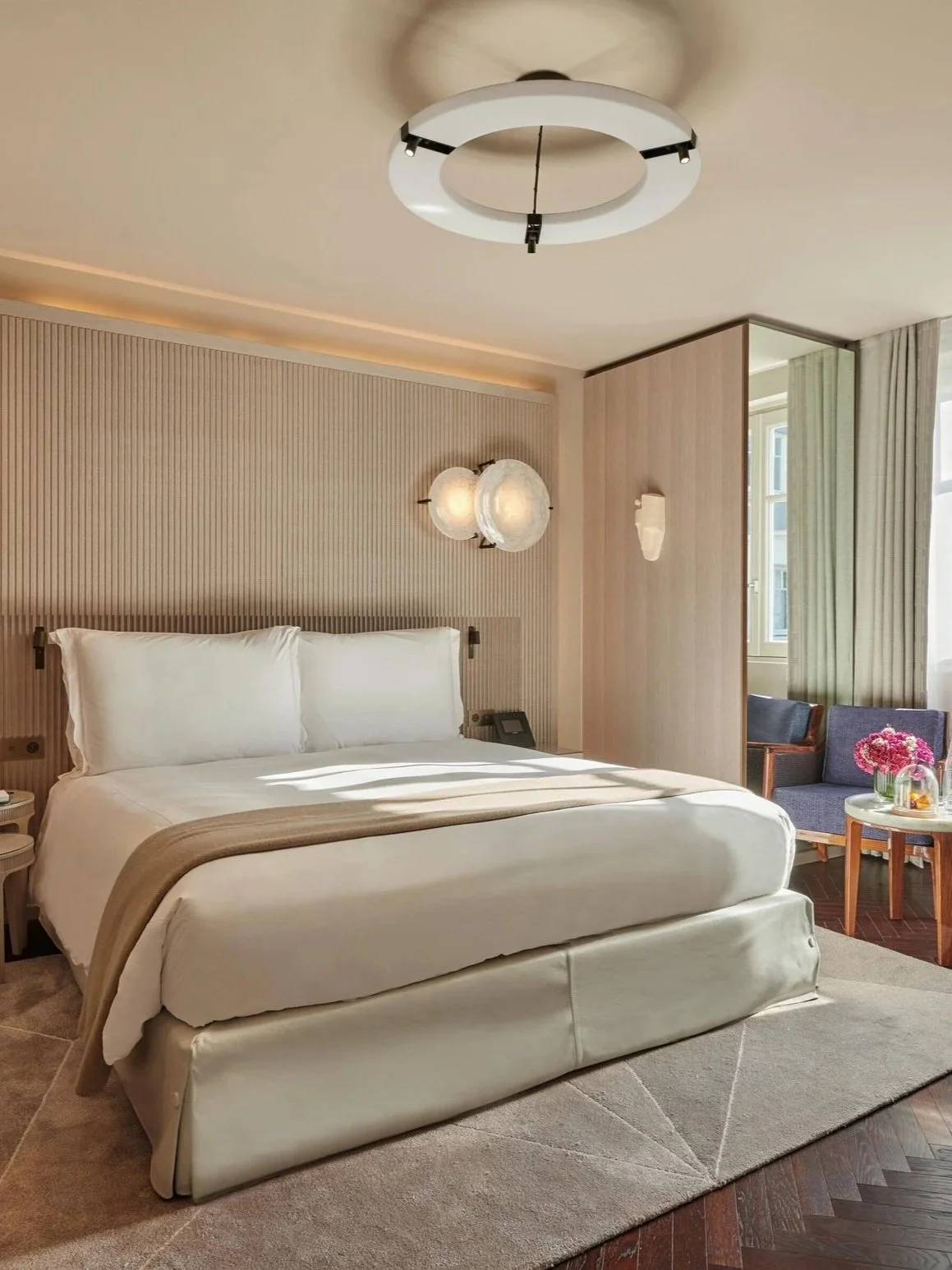
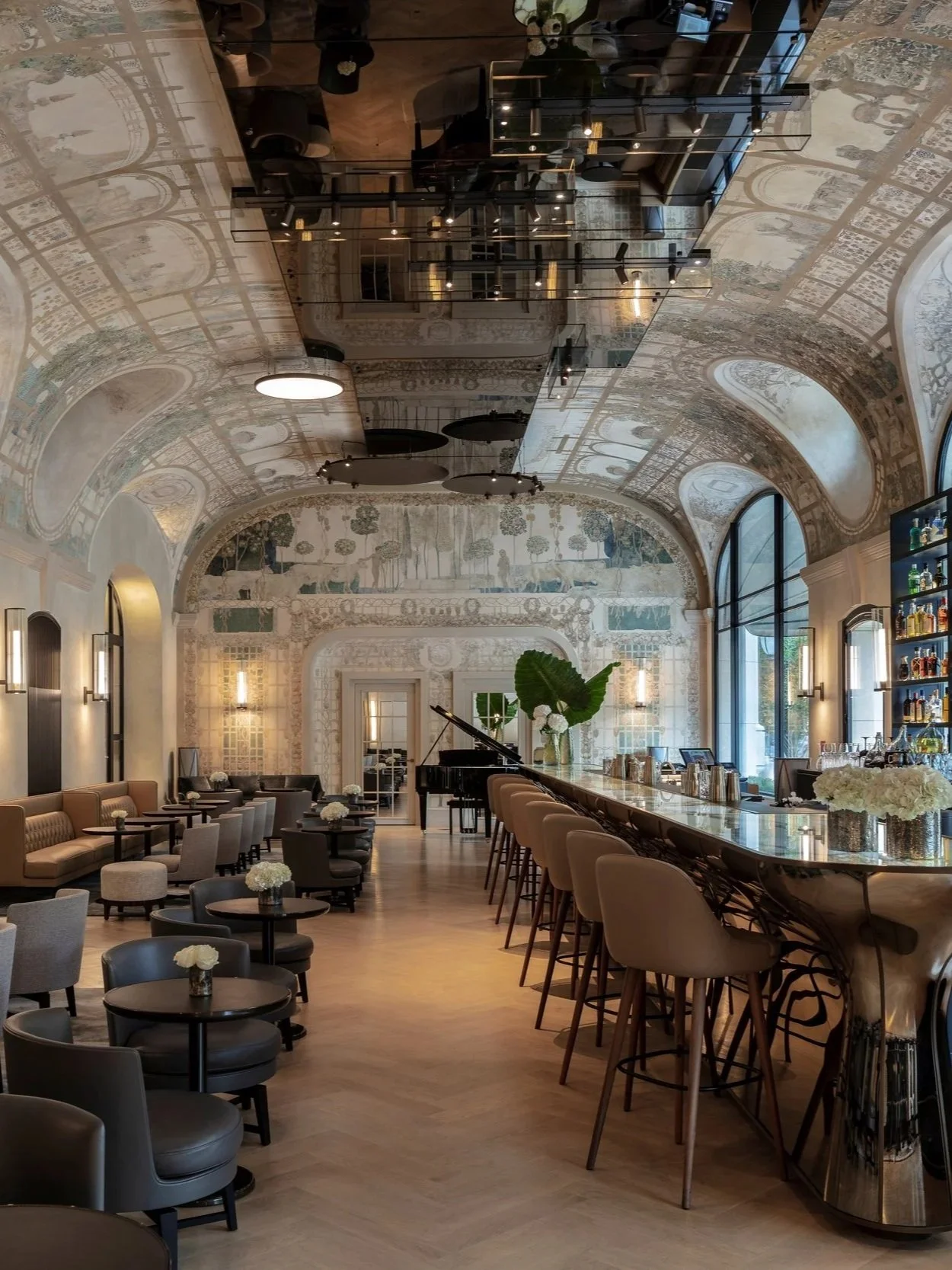
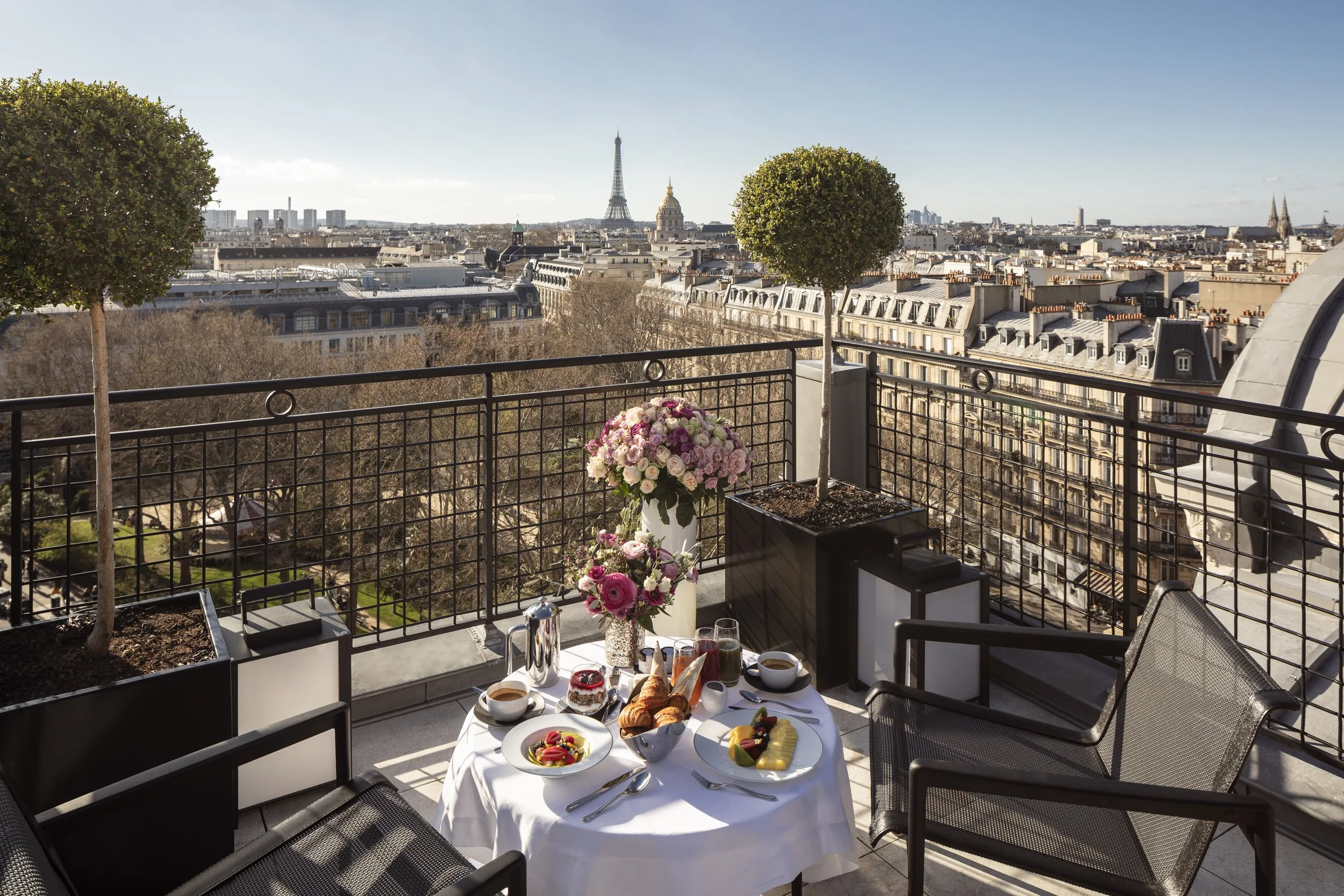
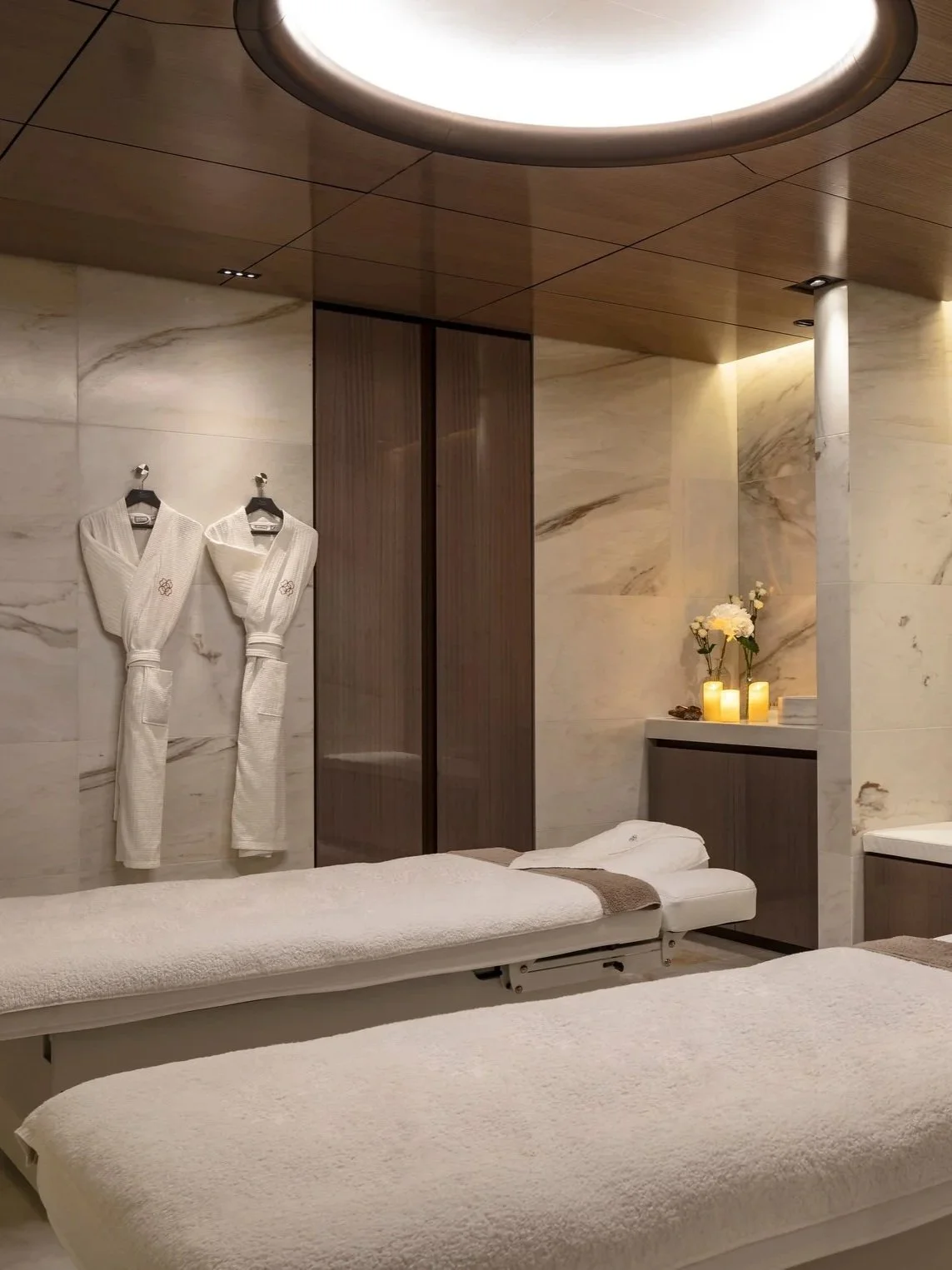
The Left Bank is home to many boutique hotels and guest houses, but travelers who want to base themselves in this side of the city and also have the full French luxury experience have one clear choice. The only hotel on the left bank to achieve the Palace distinction, Mandarin Oriental Lutetia, Paris is impeccably located in the 6th. A Belle Epoque beauty open since 1910, the Lutetia stands tall along the Bouelvard Raspail, and wows with its impressive façade and stunning Art Deco interiors. Once a turn-of-the-century hangout for Paris greats like Andre Gide and Josephine Baker, the hotel drips with iconic history; it became a Mandarin Oriental in 2025. Color palettes of navy, white, gray, and beige pepper the rooms, while marble bathrooms and parquet paneling add quintessential richness. Lutetia sports plenty of nice amenities, like four restaurants and bars, a lovely spa, and a buzzed about salon, but the hotel’s greatest feature has to be its prime Left Bank location, within strolling distance of Le Bon Marché, the Luxembourg Gardens, and Saint Germain’s best bars and brasseries.
Local Foreigner’s Left Bank Favorites
Markets & Shops
Saints Pères Paris | Contemporary porcelain house with an olive oil bar and coffee counter.
Soeur | French ready-to-wear label; polished basics in ochre and off-white.
Le Bon Marché | Department store for fashion and home, with La Grande Épicerie in the basement.
Food to Bring Home
La Grande Épicerie de Paris | Gourmet supermarket with notable cheese counter and prepared foods.
Jacques Genin | Respected chocolatier known for caramels and ganaches.
Alléno & Rivoire | Experimental chocolate shop; sugar-free confections made with birch sap.
Fromagerie Quatrehomme | Celebrated cheese affineur, often aging wheels on-site.
Poilâne | Famous sourdough loaf bakery.
Maison Thevenin | Quieter neighborhood bakery/pâtisserie alternative.
Aux Merveilleux de Fred | Known for its meringue-cream-chocolate "merveilleux" pastry.
Établissements Vinicoles de France | Old-school neighborhood wine shop for picnic bottles.
Landmarks
Musée Rodin | Held in an elegant 18th-century mansion are famous sculptures like The Thinker in the garden.
Musée d'Orsay | Inside a grand former railway station houses the largest collection of Impressionist art (think Monet & Van Gogh).
Notre-Dame-de-Paris | One of the greatest examples of Gothic architecture - an absolute must see.
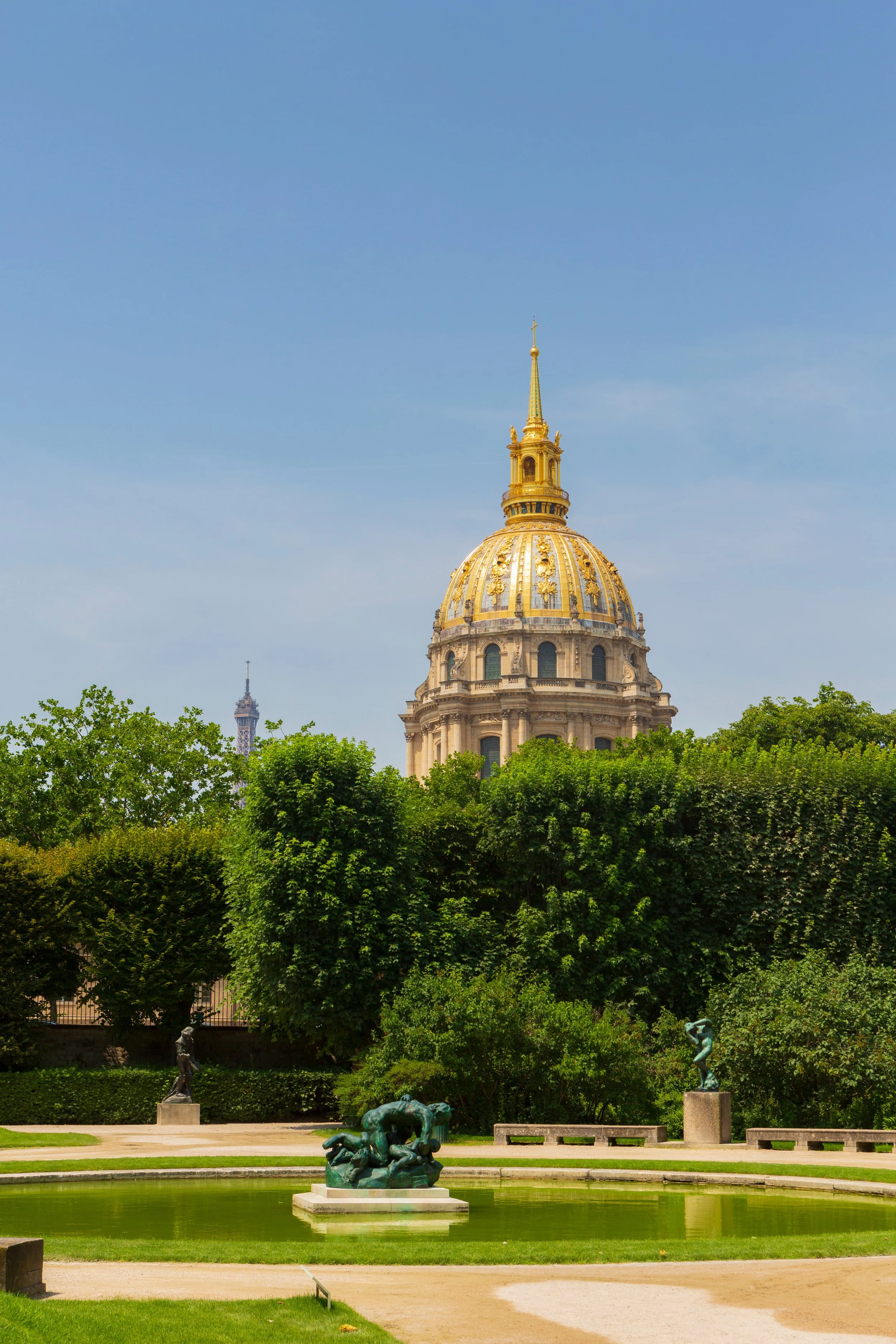
Hôtel des Invalides | Built by Louis XIV, fit with a gold dome, and the resting place of Napoleon’s in a massive red quartzite tomb.
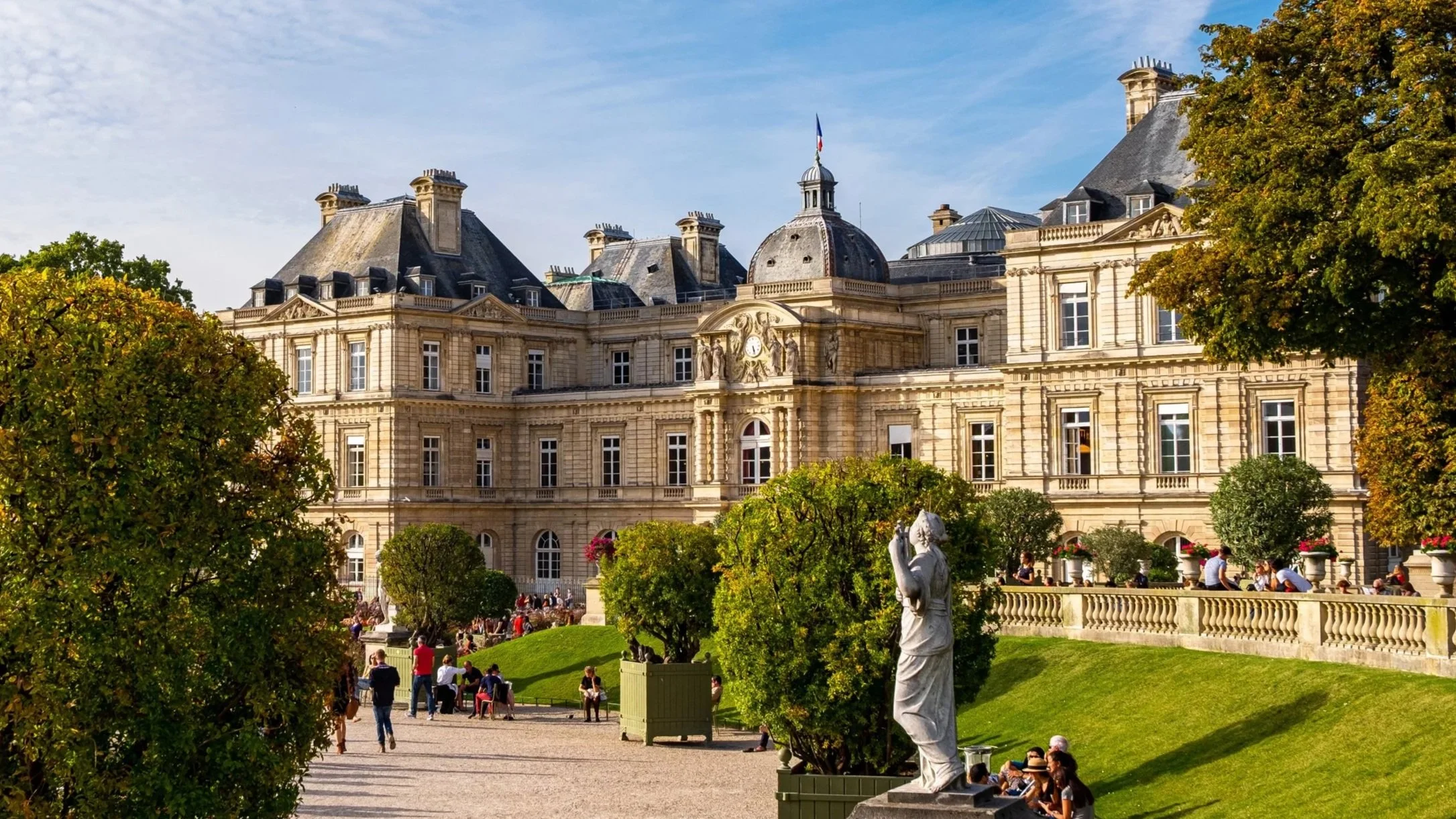
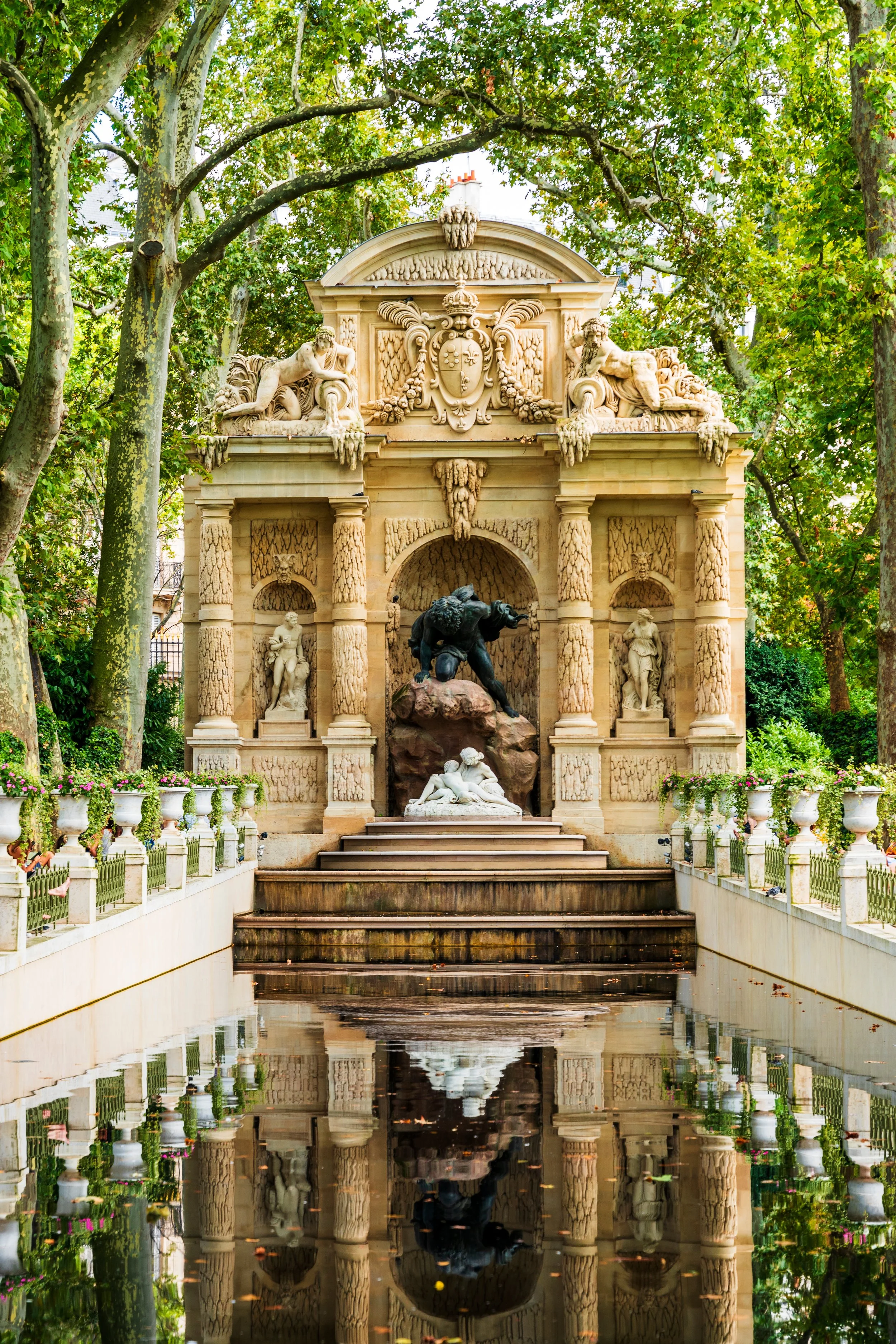
Jardin du Luxembourg | Beloved park featuring elegant fountains where kids can sail mini boats.
Jardin des Plantes | Parisian botanical masterpiece under glass and one of Europe’s oldest scientific gardens.
Église Saint-Germain-des-Prés | Oldest church in Paris known for its Romanesque architecture and the nearby charming neighborhood.
Église Saint-Sulpice | A classic Baroque structure most notable for its fresco chapel and dueling sundial gnomons.
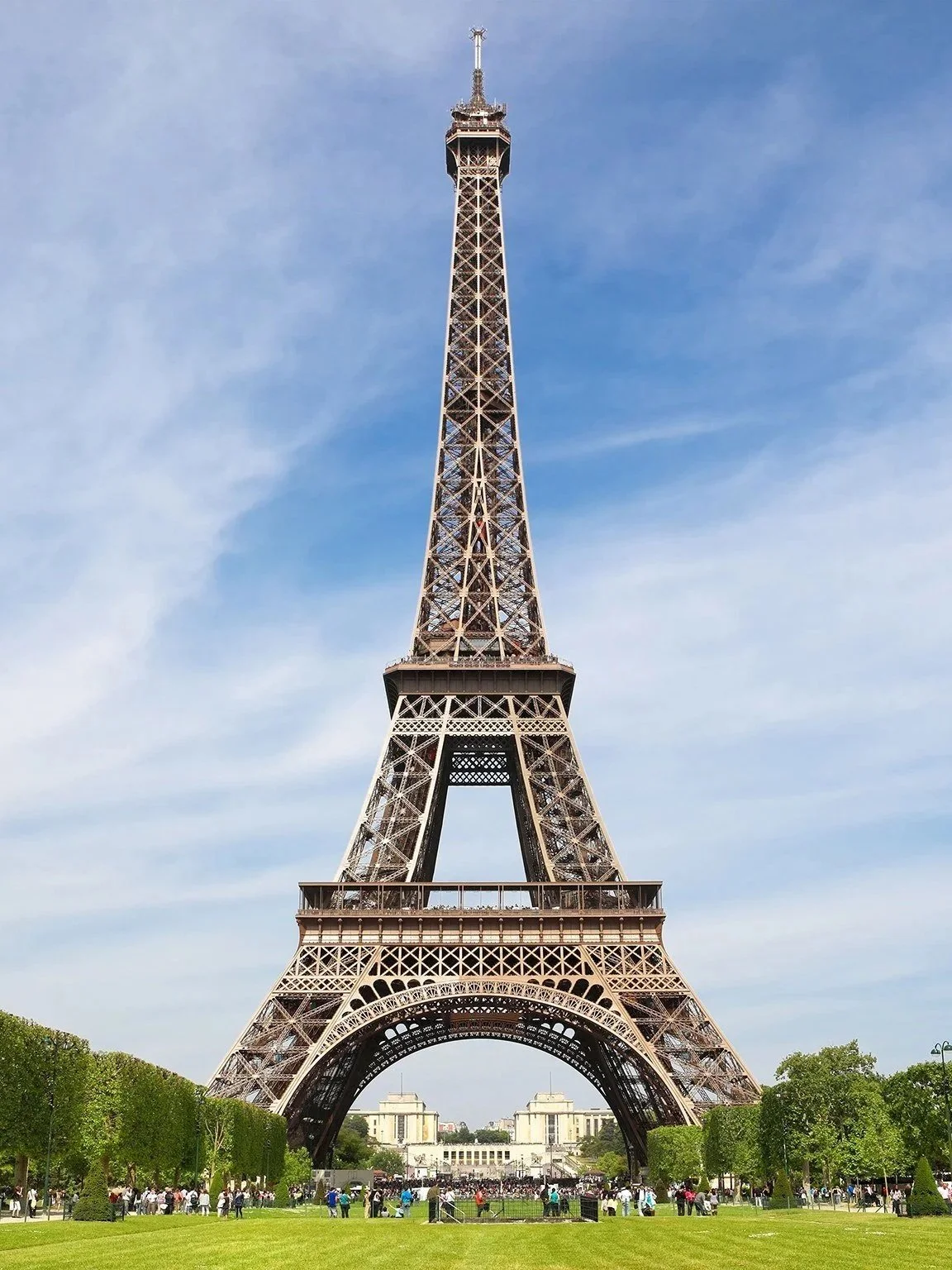
Tour Eiffel & Champ de Mars | The reason for visiting Paris - the iconic tower and adjoining park, technically on the Left Bank.
Where to Shop
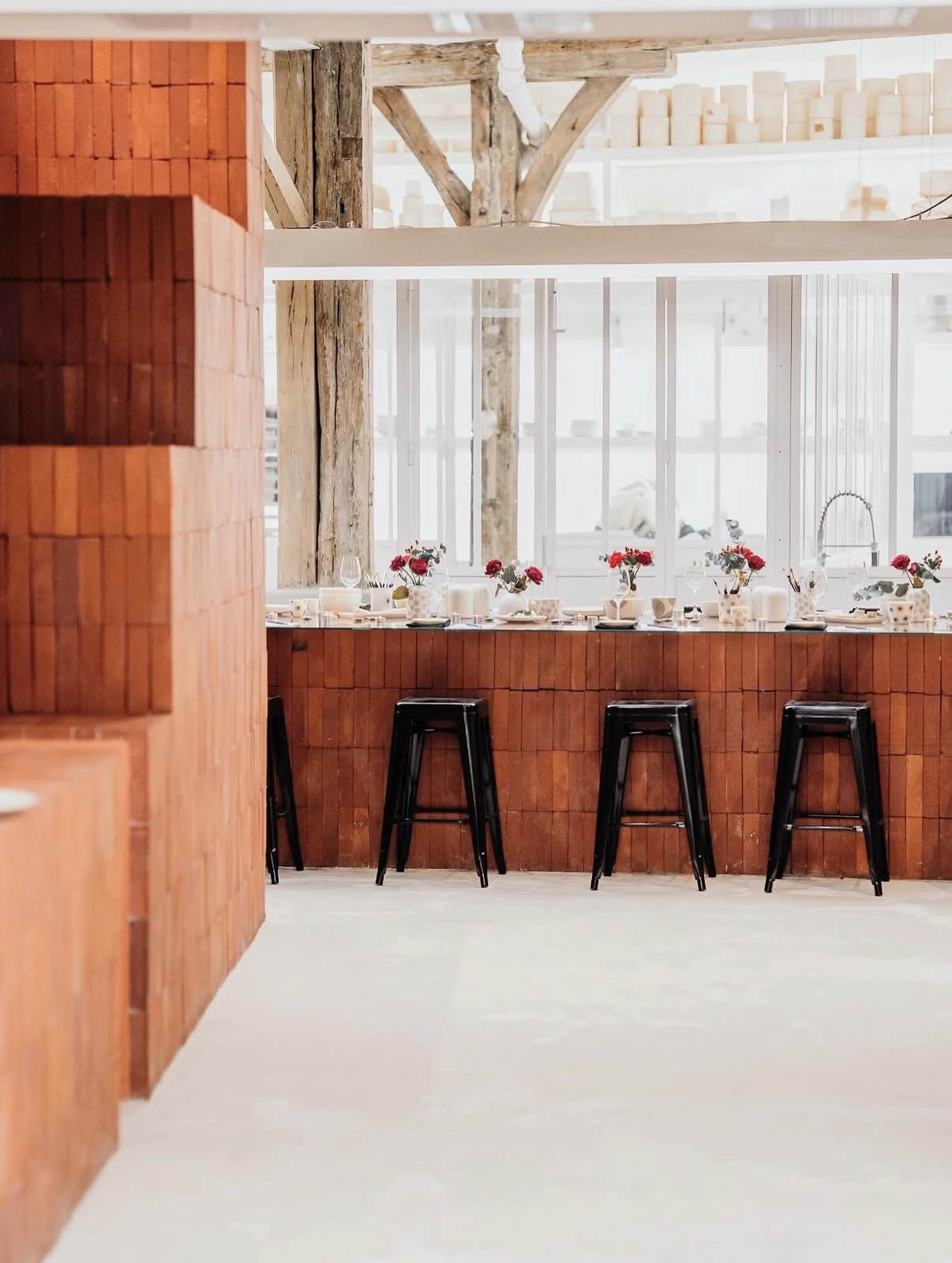
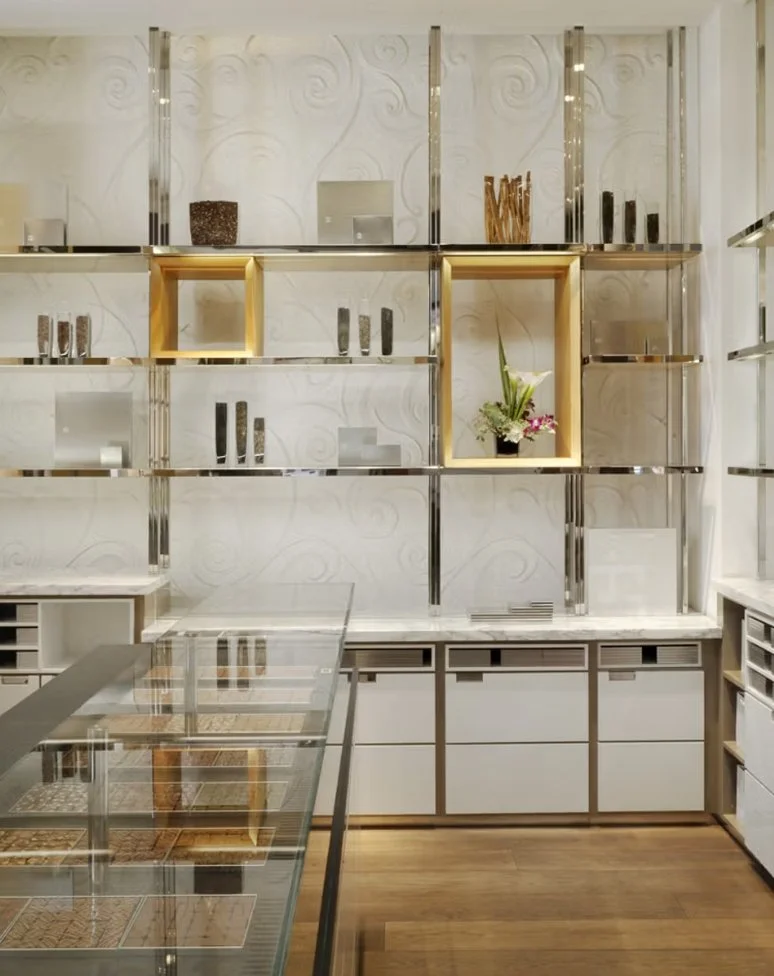
Saints Pères Paris (69 Rue des Saints-Pères) is a contemporary porcelain house that also happens to run Paris's first olive oil bar and a small coffee counter. This is the place to go when you’ve been inspired by the French ritual around the table, and have decided that what you’re bringing home from Paris is a dedication to making life’s small moments more beautiful. And if those small moments include selecting your jeans in the morning, head to Soeur (88 Rue Bonaparte): French ready-to-wear from two sisters, Angélique and Domitille Brion, with relaxed, well-made pieces. Think heavy cottons, good denim, a palette of ochres and off-whites that read as effortlessly Parisian. And then, of course, there's Le Bon Marché (24 Rue de Sèvres), the grand dame of Left Bank shopping and the best single stop for everything fashion, home, and - down in the basement - La Grande Épicerie.
Food to Bring Home
Some of the best souvenirs from this stretch of Paris come from its food shops. La Grande Épicerie de Paris (38 Rue de Sèvres), the gourmet supermarket attached to Le Bon Marché, is worth an hour alone for the cheese counter and the prepared-foods section. For chocolate, Jacques Genin (27 Rue de Varenne) is one of the city's most respected chocolatiers, known for caramels and ganaches as much as for his bars, while Alléno & Rivoire (25 Rue du Vieux Colombier) takes a more experimental approach, offering sugar-free chocolates and candied fruits developed by chef Yannick Alléno and pastry chef Aurélien Rivoire, built around birch sap instead of refined sugar.
For (more) cheese, Fromagerie Quatrehomme (62 Rue de Sèvres) is one of the most celebrated affineurs in Paris, with wheels often aged on-site. For bread, Poilâne (8 Rue du Cherche-Midi) is home to the sourdough loaf that has inspired pilgrimages; Maison Thevenin (5 Rue Notre-Dame-des-Champs) is the quieter neighborhood alternative, a proper boulangerie-pâtisserie. The namesake pastry at Aux Merveilleux de Fred (1 Rue de l'Ancienne Comédie) is an architectural marvel built of meringue, cream, and shaved chocolate. And for wine to pack in a picnic, Établissements Vinicoles de France (82 Rue Vaneau) is an old-school neighborhood caviste, where the person behind the counter will talk you through the bottles.
Where to Wander
The Right Bank may have the Louvre and the Pompidou, but the Left Bank isn’t hurting for major cultural insitutions and landmarks. Musée Rodin (77 Rue de Varenne) and Musée d'Orsay are the two essential stops for art (and yes, the Musée du Louvre is easy to fold in on the same afternoon if you're feeling like crossing the river). Notre-Dame-de-Paris and the Hôtel des Invalides round out the essential monuments, and the Jardin du Luxembourg and Jardin des Plantes are lovely parks worth at least an unhurried hour each - families with kids will be especially charmed by the fountain in the Luxembourg Gardens where you can launch a mini sailboat out for a spin.
Duck into Église Saint-Germain-des-Prés and Église Saint-Sulpice during your strolls; Saint-Sulpice is especially notable for the fresco chapel and the two rivaling sundial gnomons on the floor. And if you want the view that puts the whole city in context, the Tour Eiffel and the Champ de Mars are on the Left Bank - a bit of a trump card when comparing which side of the river is most iconically Parisian.