Spotlight on Northern Italy: Where To Stay After You’re Inspired by the 2026 Winter Olympics
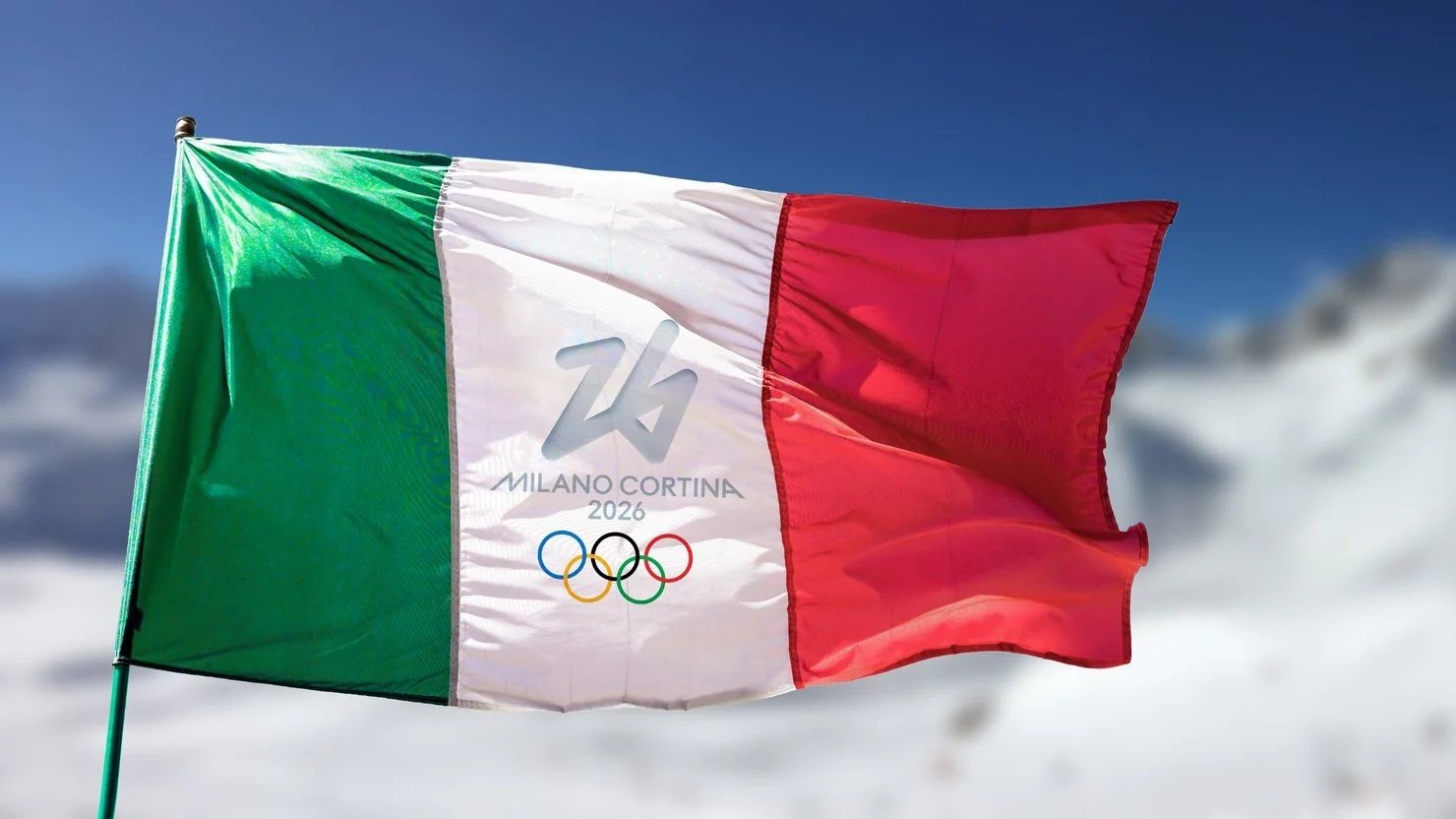
Italy is never far from our minds - its coasts and lakes are a perennial hot ticket in the summer, its mountains are a constant draw for hikers and skiers alike, its cities can anchor a trip no matter the time of year, and we never need an excuse to jet over for the food. So the fact that the country is about to host the Winter Olympics sort of feels like the homecoming king getting into Harvard - but we get that it’s irresistible. Kicking off February 6, the XXV Winter Olympic Games will be one of the most geographically expansive in history, unfolding across northern Italy, linking the fashion capital of Milan with the alpine drama of the Dolomites and the historic mountain towns tucked in among the peaks. In all, more than a dozen venues across seven regions comprising more than 10,000 square miles will hosts events, meaning the incredible diversity of this area is about to be on display for all the world to see. So whether you’re considering a last-minute bucket list trip to the Games, or gearing up for the inevitable spike in interest the region will see after two weeks of stunning footage, we’re sharing some of our favorite hotels in the vicinity of each of the regions you’re about to spend two weeks drooling over.
Milan: The Urban Heart of the Games
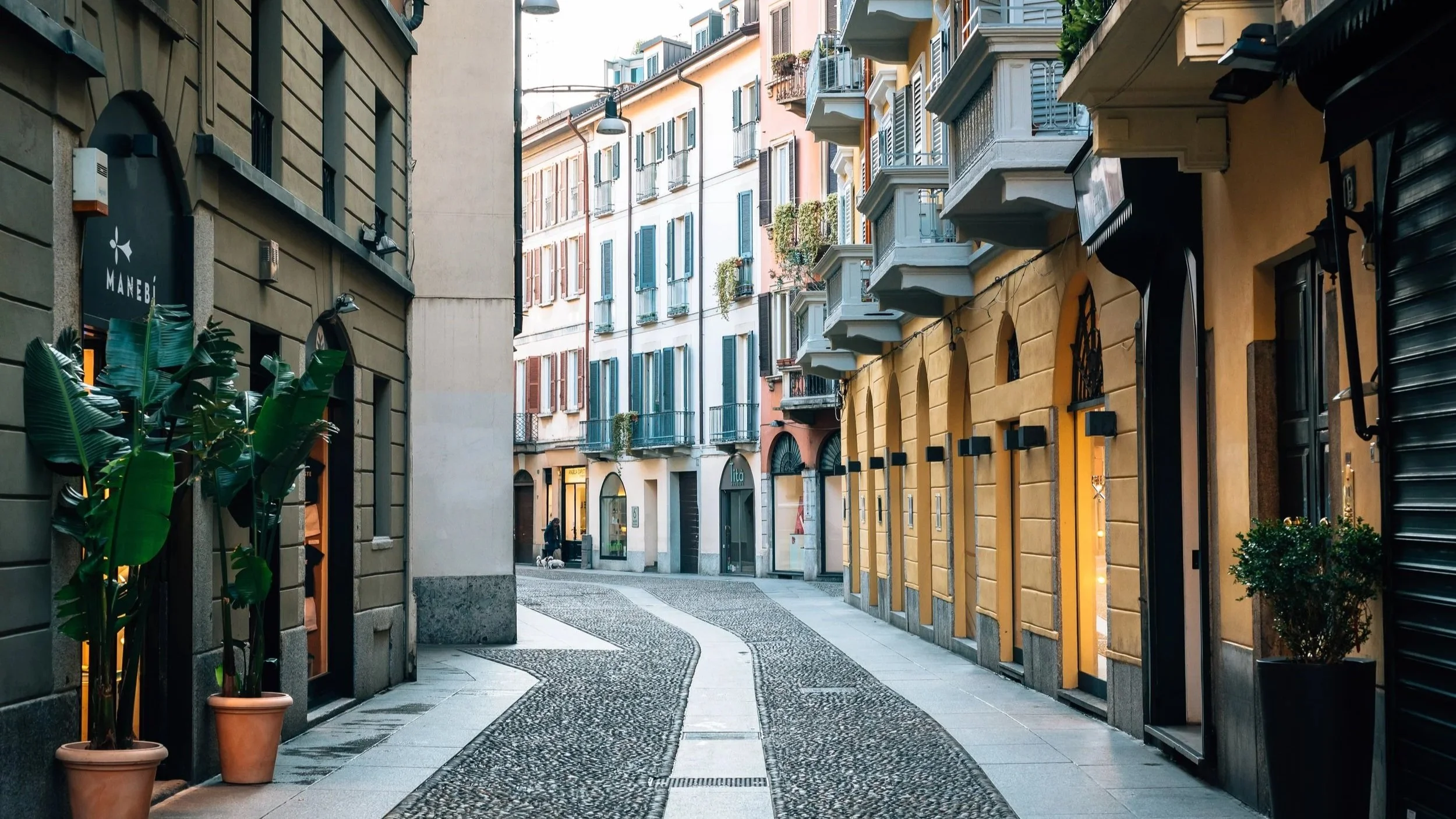
Billed as the Milano-Cortina Olympics, Milan will be the administrative center of the Games, and will also play host to the indoor ice events - figure skating, speedskating, and ice hockey, as well as the Opening Ceremony. Most famous for its fashion district, Il Quadrilatero d'Oro, which houses the flagship stores of Italy's premier designers (Gucci, Prada, Versace, Dolce & Gabbana, and more), Milan is a city based around its stylish crowd, but it’s also a city with a serious hotel scene, bolstered over the past several years by big new openings and major renovations, including Portait Milano, Casa Cipriani, Rocco Forte House, and The Carlton, a Rocco Forte hotel, which opened last month.
Mandarin Oriental Milan
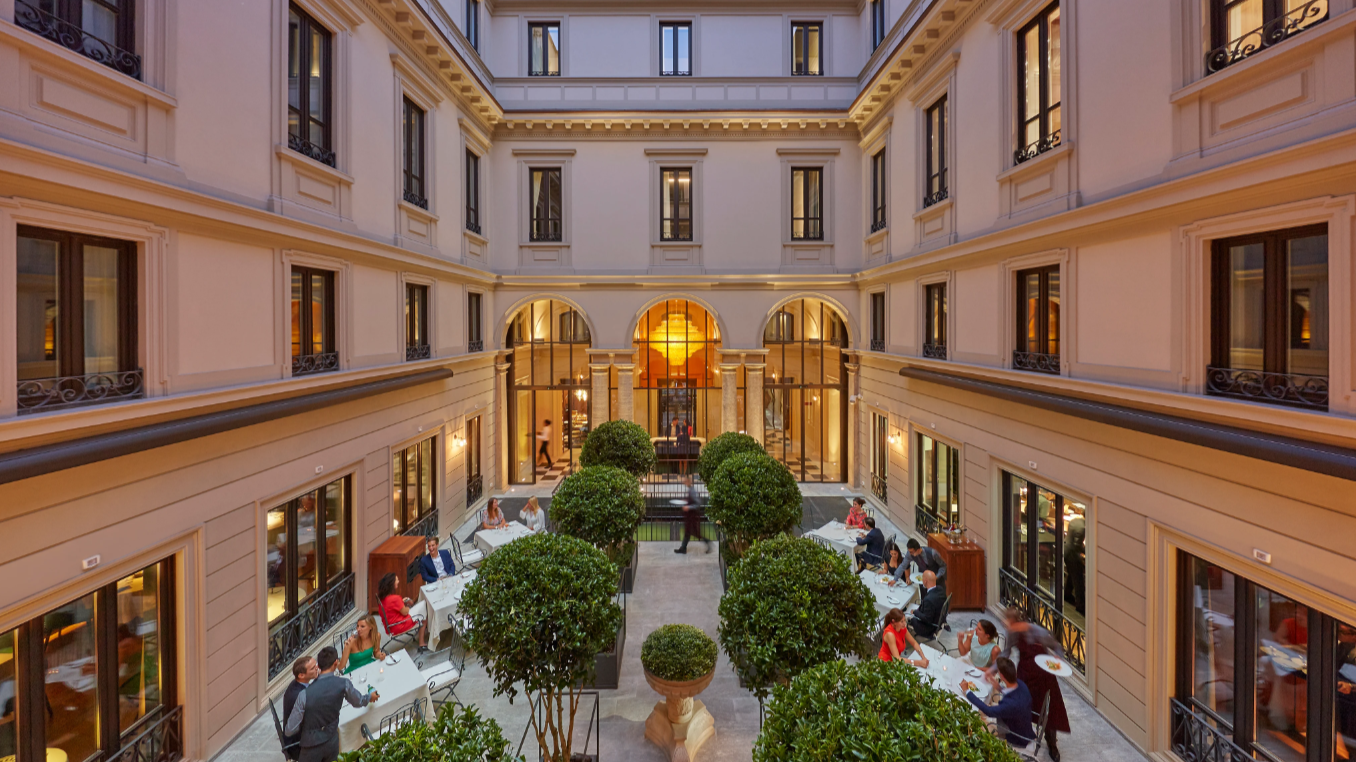
On a leafy side-street in the tony Quadrilatero district, the Mandarin Oriental Milan offers guests the best of both worlds: a quiet location with easy access to Milan’s most famous sites. Designed to feel like a traditional Milanese residence (a swanky one, at that), the hotel is centered around two inner courtyards and features a sleek design scheme of oak wood tones and muted hues. The on-site spa and fine-dining restaurant are standouts, but for those looking to explore, the heart of the city surrounding Piazza del Duomo is a mere 10 minutes away on foot.
Best For: Families and visitors who want to see it all
Portait Milano
Portrait Milano marks the long-awaited Milan debut of the Lungarno Collection. Once a former Archiepiscopal Seminary and one of the world’s oldest examples of Lombard Baroque architecture, the villa housing the hotel has been meticulously restored to become a strikingly modern center for hospitality, culture, and style in the heart of Milan’s fashion district. The hotel overlooks Piazza del Quadrilatero, a 32,000-square-foot public square now open to the public for the first time in its 500-year history. Highlights include a serene spa with indoor pool and Italy’s first Beefbar, framed by historic colonnades housing exclusive boutiques.
Best For: Shoppers!
Four Seasons Hotel Milano
This former fifteenth century convent is one of Milan's more formal hotels, but don't let its traditional elegance fool you - there's nothing stuffy about the Four Seasons' warm hospitality. Classic decor and furnishings feel more countryside villa than urban hotel, which lend an air of elusive calm in Italy's bustling capital. A renovation is underway, with redesign by Pierre Yves Rochon mostly complete. Be sure to leave some time in your itinerary to soak up the hotel's gorgeous surrounds - enjoy tea in the garden courtyard, indulge in a spa treatment, or grab happy hour drinks at Stilla, the stylish cocktail bar.
Best For: Traditionalists
Cortina d’Ampezzo: Alpine Glamour
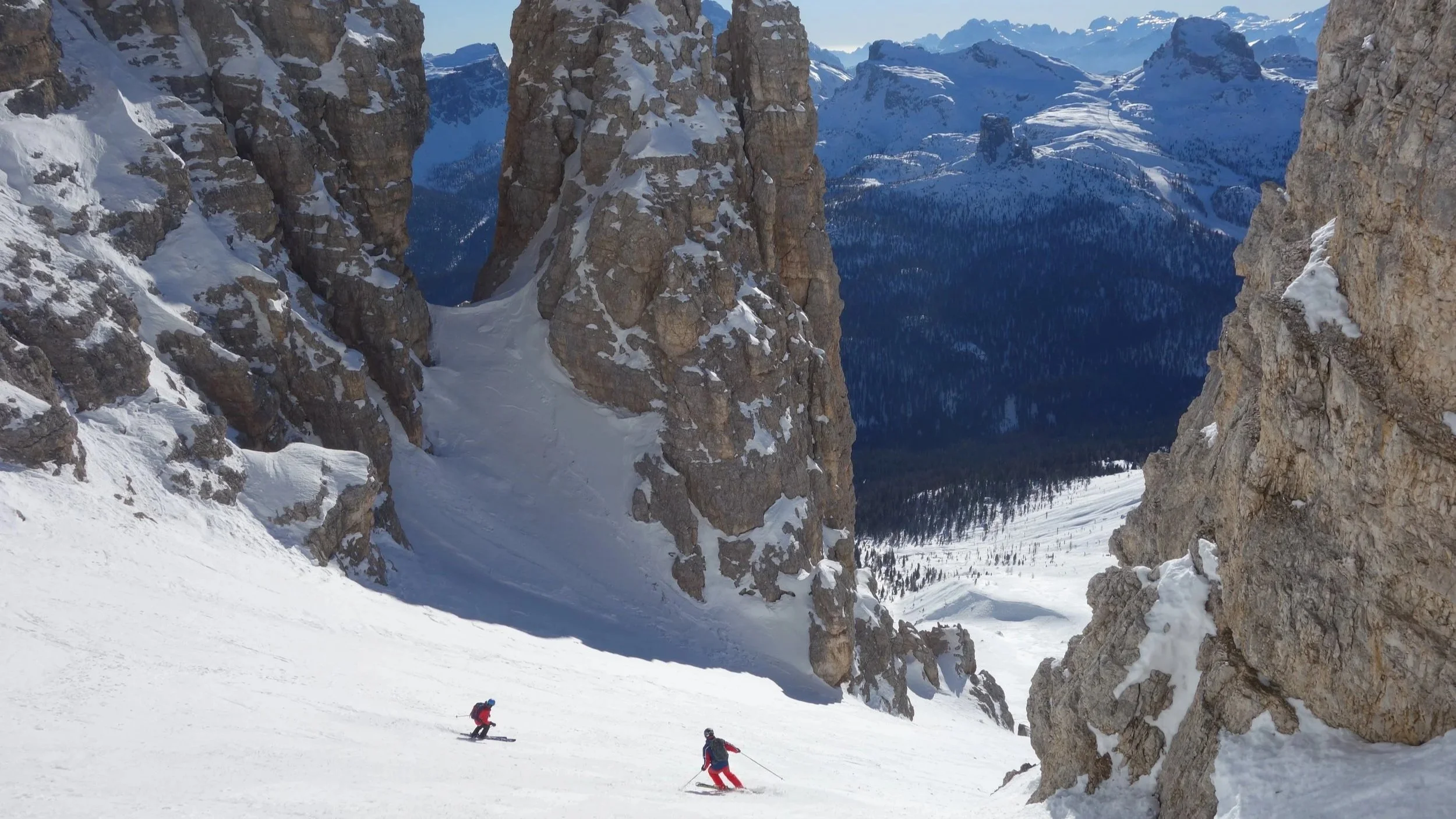
The second destination in the title pairing, Cortina d’Ampezzo, played host to the 1956 Games (the last in which figure skating was held outdoors, a great fact for your next Winter Olympics trivia round). This time, the town will host Alpine skiing, bobsled, curling, skeleton, and luge. The surrounding mountains provide a natural amphitheater, making this one of the most photogenic Olympic backdrops in recent history - there will be plenty of jaw-dropping footage of jagged stone peaks, perfect for some of the most dramatic events (and also curling). When it’s not hosting the world’s foremost adrenaline junkies, Cortina is dotted with stone church spires, charming pizzerias, and more recently, luxe restaurants and refugios, perfect for an apres-ski drink by a roaring fire.
Aman Rosa Alpina
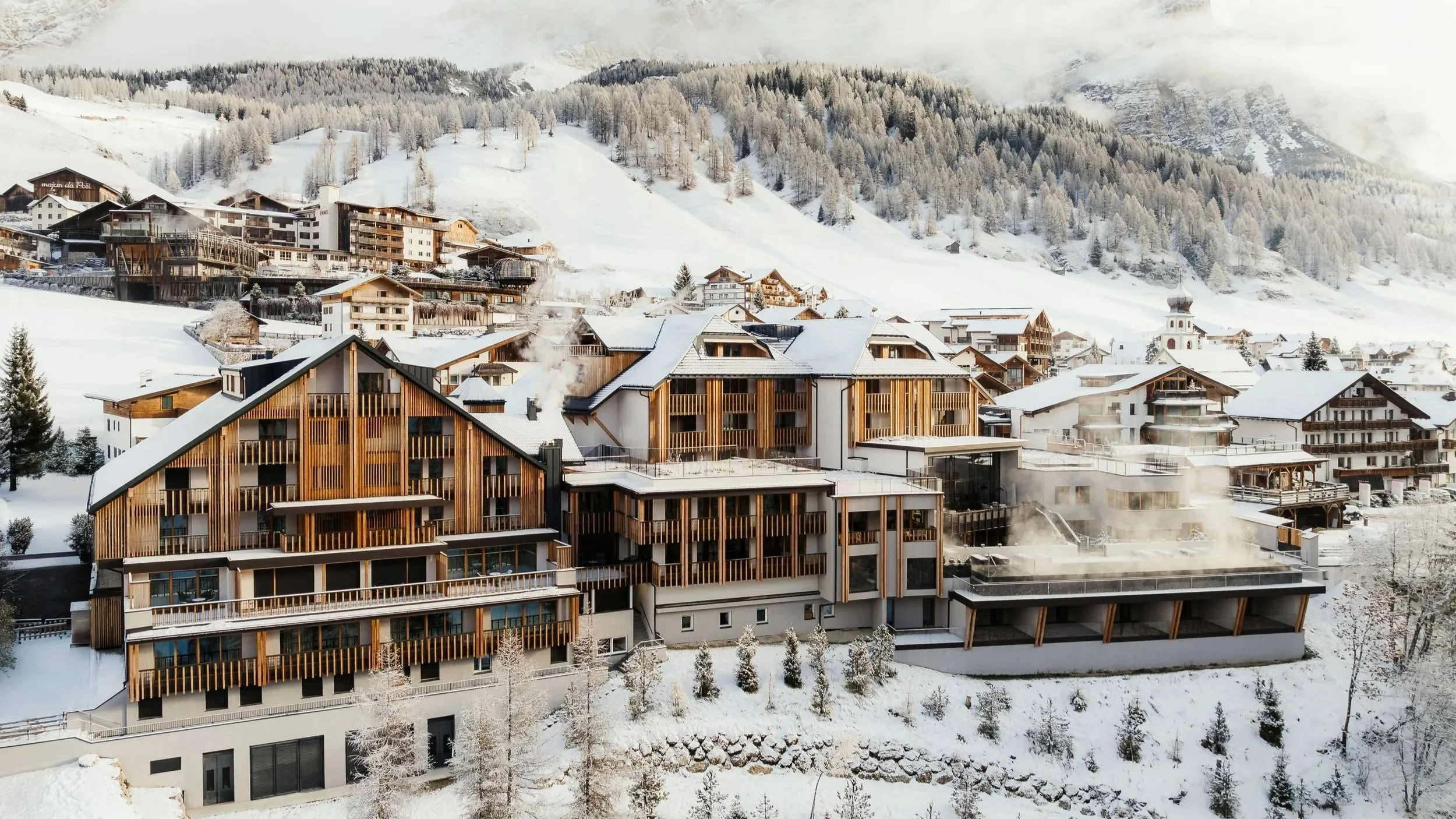
Since 1939, Rosa Alpina has been one of the most sought-after hotels in Italy, and it’s recently reopened after joining forces with design darling Aman. Set in the village of San Cassiano and surrounded by the UNESCO-listed Dolomites, it’s still under the care of Hugo and Ursula Pizzinini. Interiors by Jean-Michel Gathy make fabulous use of tapestries and natural materials (plus a fireplace in every room), and dining is a highlight, from convivial aperitivi and refined wine dinners to alpine grill classics and wintertime Japanese shabu shabu. A destination spa offers indoor and outdoor pools, hydrotherapy, and holistic treatments.
Distance to Cortina d’Ampezzo: ~45 minutes by car
Valtellina: Speed, Snow, and Scenic Valleys
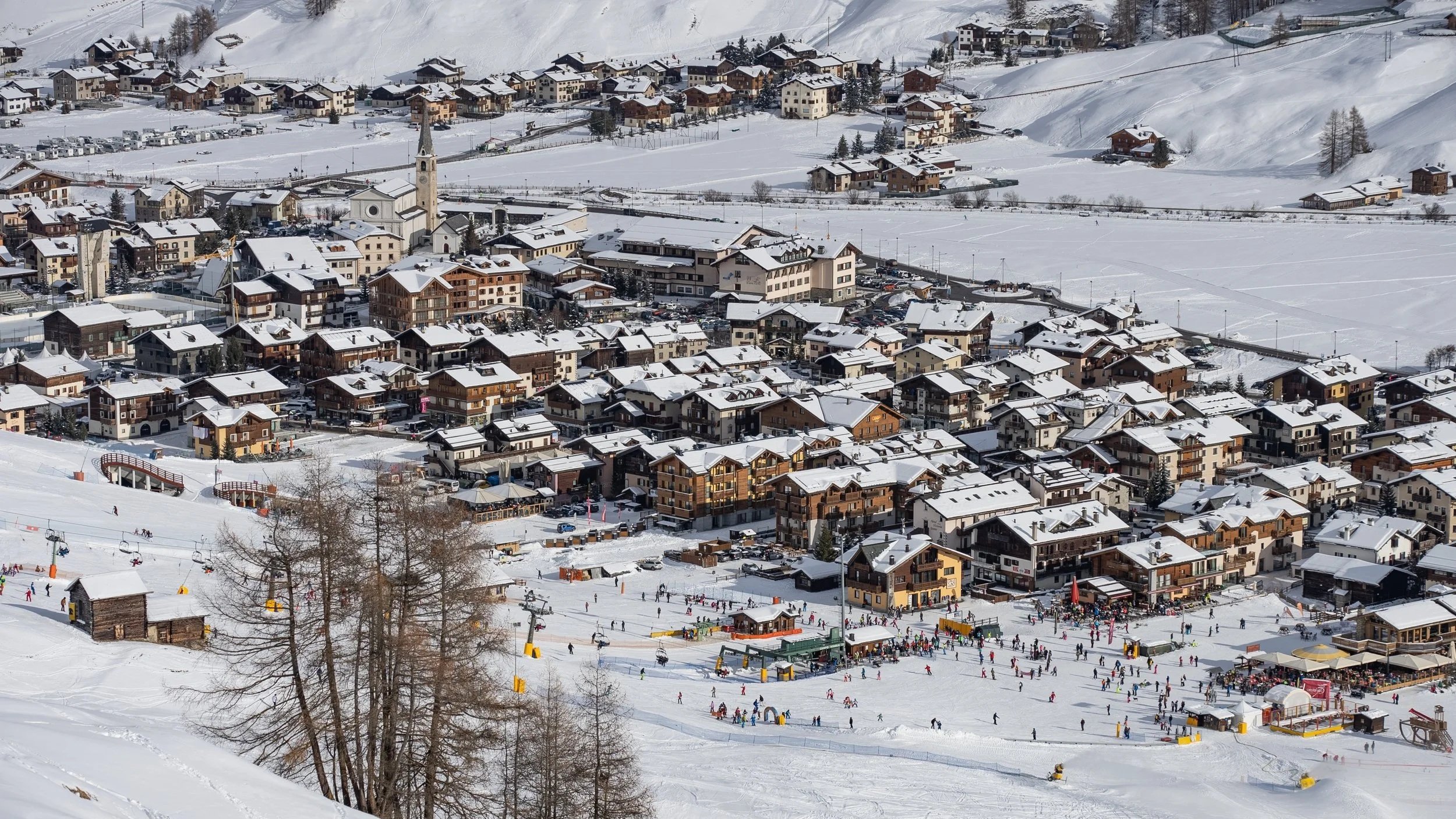
Near the Swiss border in the Lombardy region, renowned ski areas Bormio and Livigno will host alpine skiing events and snowboard competitions. This area is known for steep slopes, long descents, and challenging terrain. But when the area is not playing host to athletes who compete in barely-controlled free falling and gymnastics over ground that’s frozen solid, Valtellina offers a more relaxed alpine experience compared to Cortina, with charming villages, thermal baths, and a strong culinary identity rooted in cozy mountain traditions (think ossobuco, farm cheese, and polenta).
Badrutt’s Palace
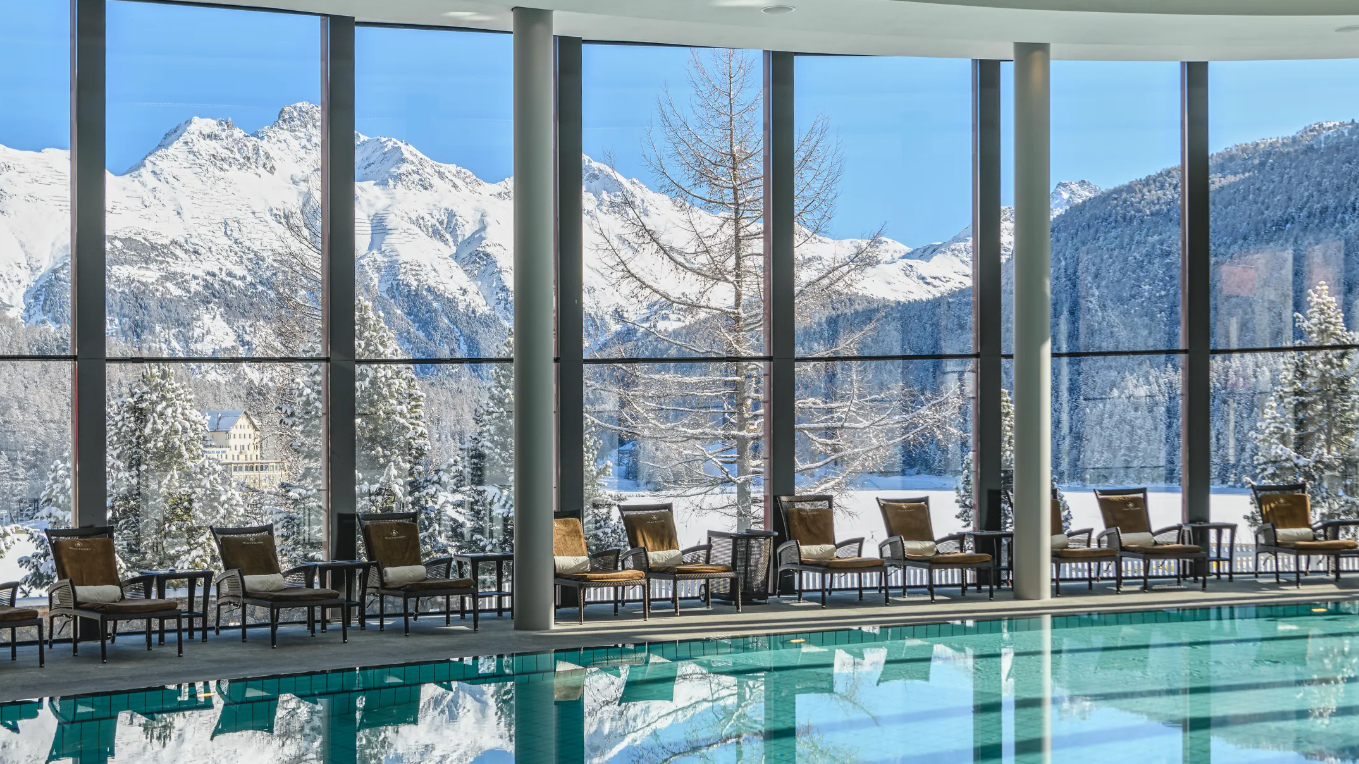
Known as the “Grande Dame” of Swiss luxury hotels, the Badrutt's Palace is renowned for its first-class service and century-old charm. Visitors include everyone from royalty to sports enthusiasts, but all guests will be in awe of the hotel’s limitless indulgence. The setting is picturesque and activities are plentiful year-round, as the hotel boasts 3 tennis courts, a private ice rink and, of course, access to some excellent skiing.
Distance to Livigno: ~60 minutes by car
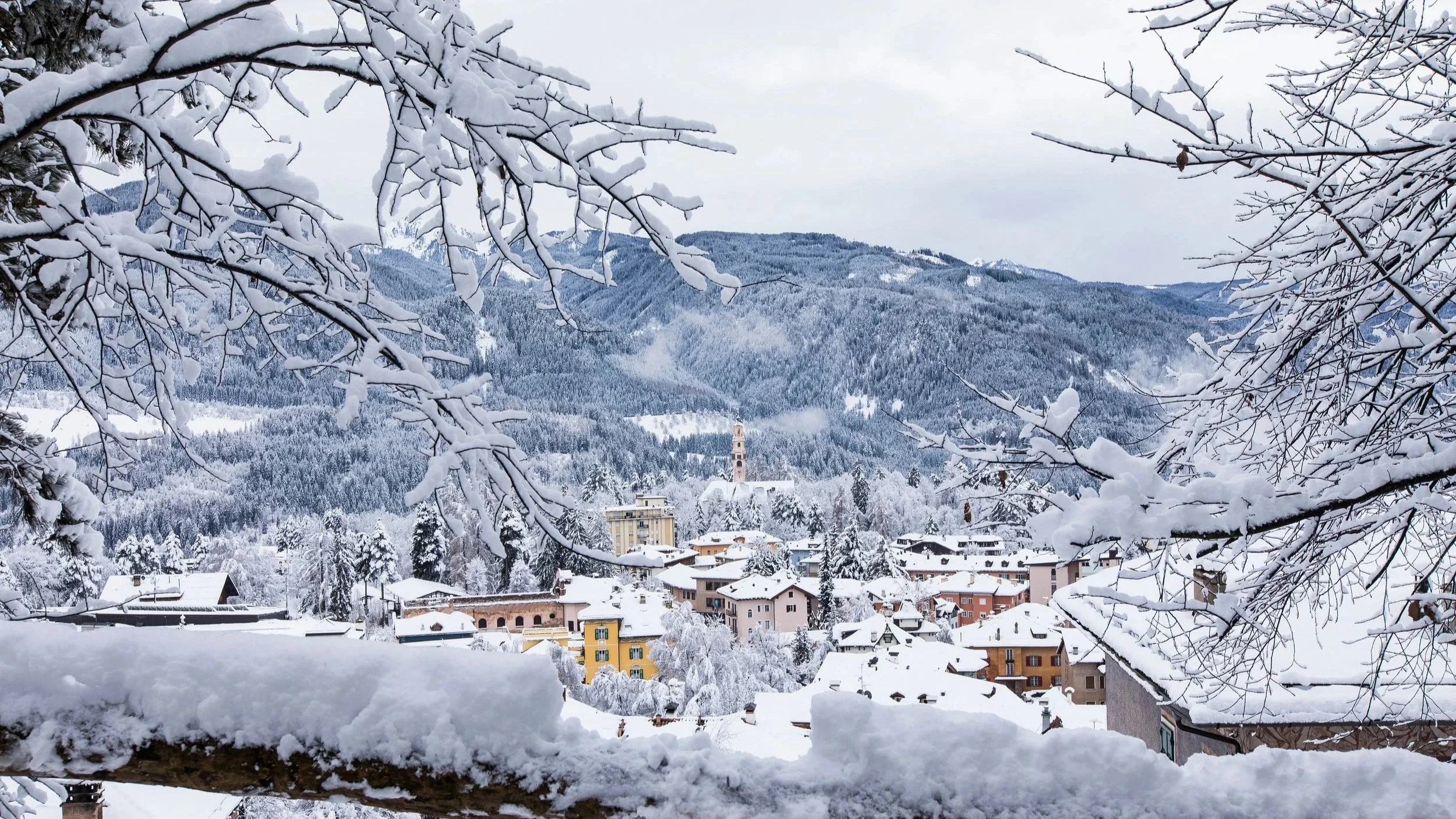
Val di Fiemme: Nordic Tradition
The Val di Fiemme in Trentino-Alto Adige will serve as the center for Nordic skiing disciplines, including cross-country skiing, Nordic combined, and ski jumping. The valley has hosted numerous World Championships and is revered for its immaculately prepared courses, while wood-clad villages, family-run inns, and pristine forests add up to a picture-perfect winter setting. If skiing isn’t your thing, there’s also deep musical tradition here - wood harvested from Paneveggio forest has exceptional acoustic properties, making it a sought-after choice for the most prestigious bowed and plucked string instruments.
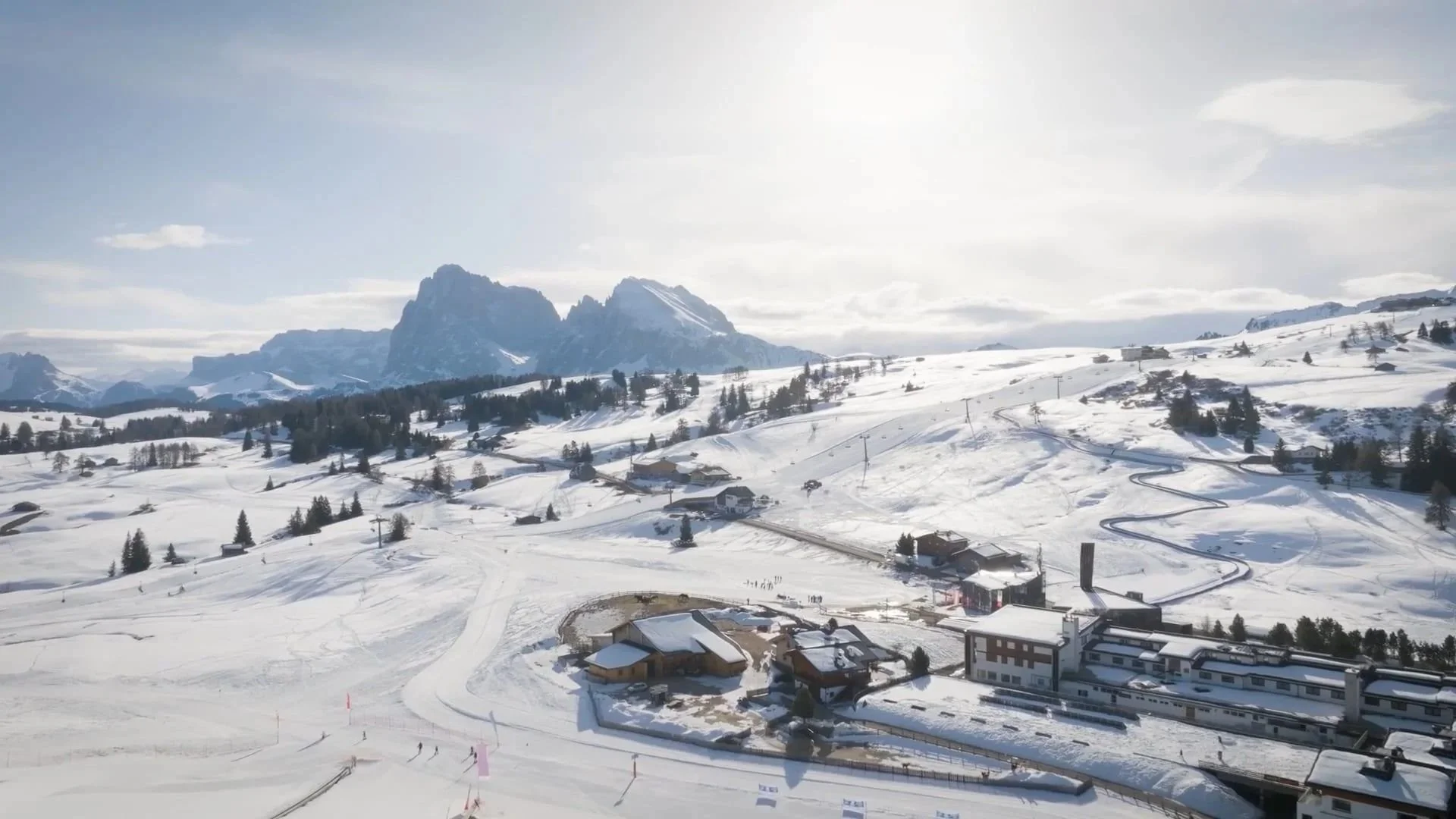
COMO Alpina Dolomites
Surrounded by the dramatic peaks of a UNESCO World Heritage Site, this 60-room hotel blends modern architecture with traditional Tyrolean craftsmanship. Interiors feature soft hues, natural materials, and artisan furnishings that reflect the serene mountain landscape. Opened as COMO’s first alpine property, it offers direct access to year-round outdoor adventures in Val Gardena. The hotel’s elevated design and warm hospitality earned it a One MICHELIN Key, recognizing its excellence in comfort and experience.
Distance to Livigno: ~90 minutes by car
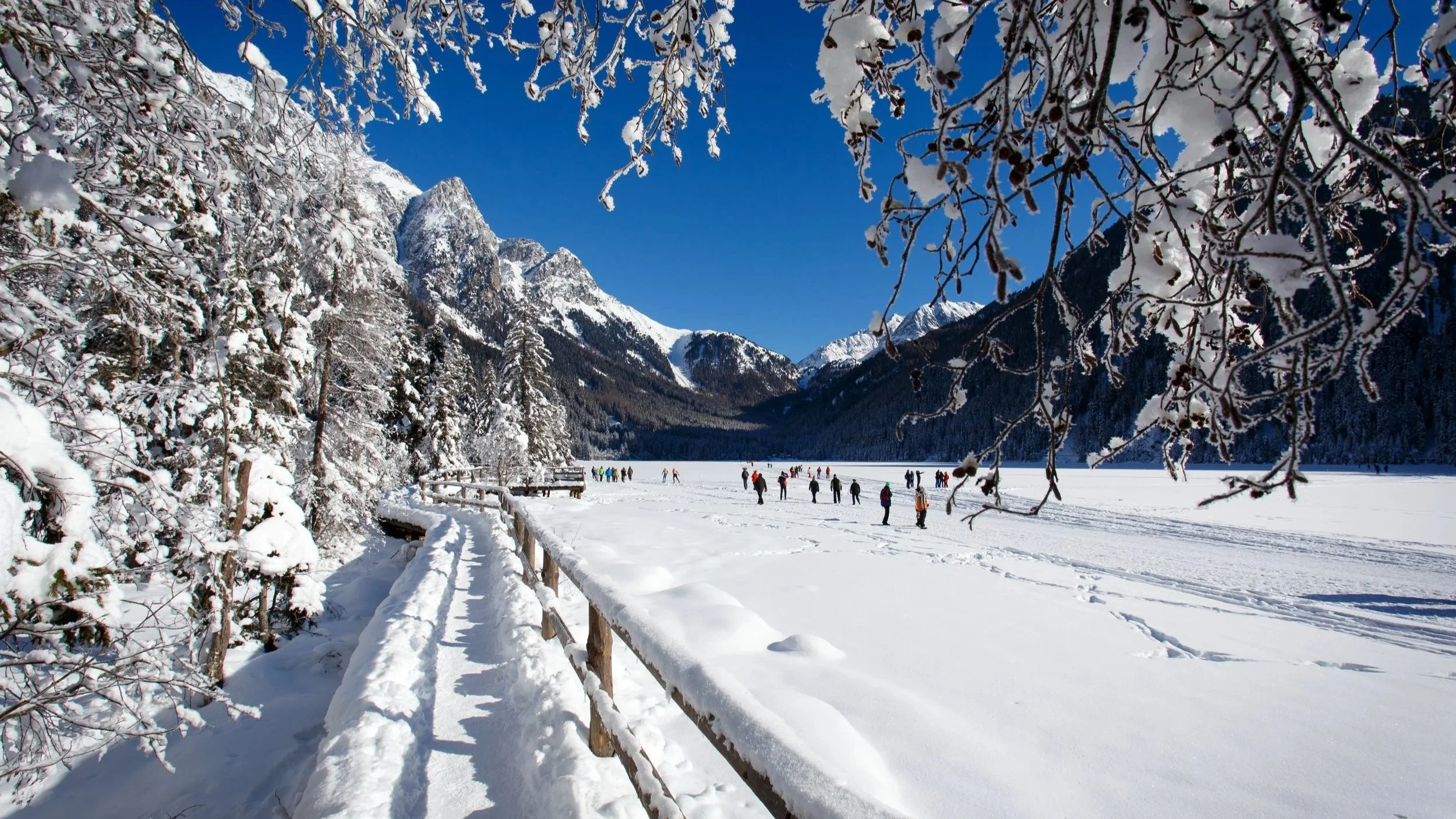
Anterselva: Biathlon in the High Alps
High in South Tyrol near the border with Austria, the Anterselva/Antholz region hosts the biathlon, the grueling marathon-like event that combines cross-country skiing and rifle shooting. This is one of those very * Olympic * sports that most people haven’t heard of before the torch is lit, but suddenly find themselves incredibly invested in for two weeks once every four years. But the sport won’t be new to locals here, as the village has been hosting world championship-level competitions since the 1970s. For visitors, Anterselva offers a unique blend of Italian and Austrian influences, and winter activities aside from spectating include snowshoeing, hiking, and access to some of the Alps’ most unadulterated landscapes.
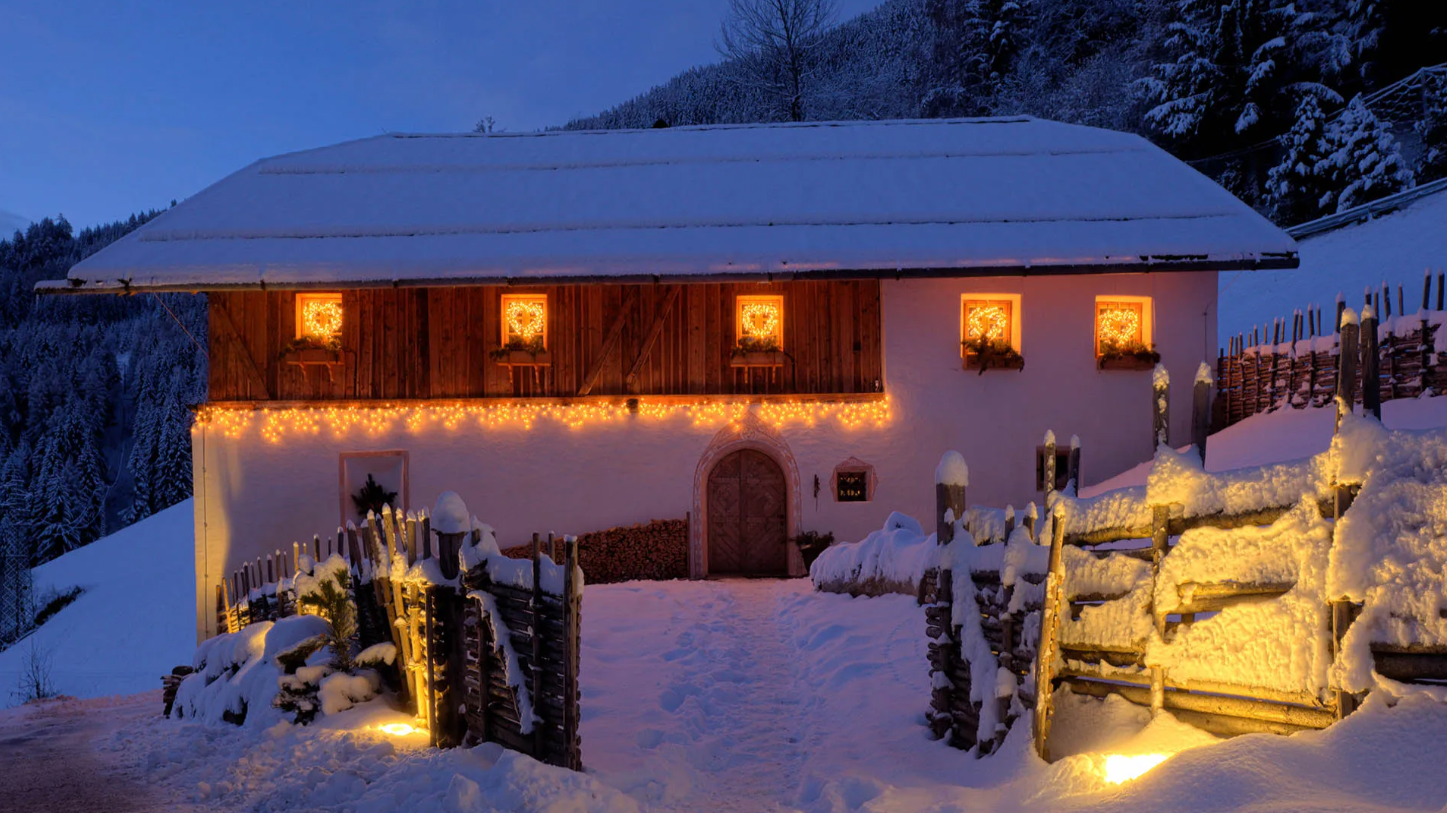
San Lorenzo Mountain Lodge
It all begins along an enchanting little road that snakes through the woods towards San Lorenzo Mountain Lodge, a former hunting lodge dating from the sixteenth century in the unspoiled forests of Val Pusteria. Giorgia and Stefano Barbini left the world of fashion to run this 10-person retreat, bringing their passion for restoration and fine finishes; the result is a villa product that’s unique in the Dolomites (if not the world). Giorgia cooks breakfast and dinner for guests, not as a professional chef but as a homestyle-cook, and Stefano engages guests with the simple life in the mountains, from chopping wood to foraging for mushrooms.
Distance to Antholz: ~45 minutes by car
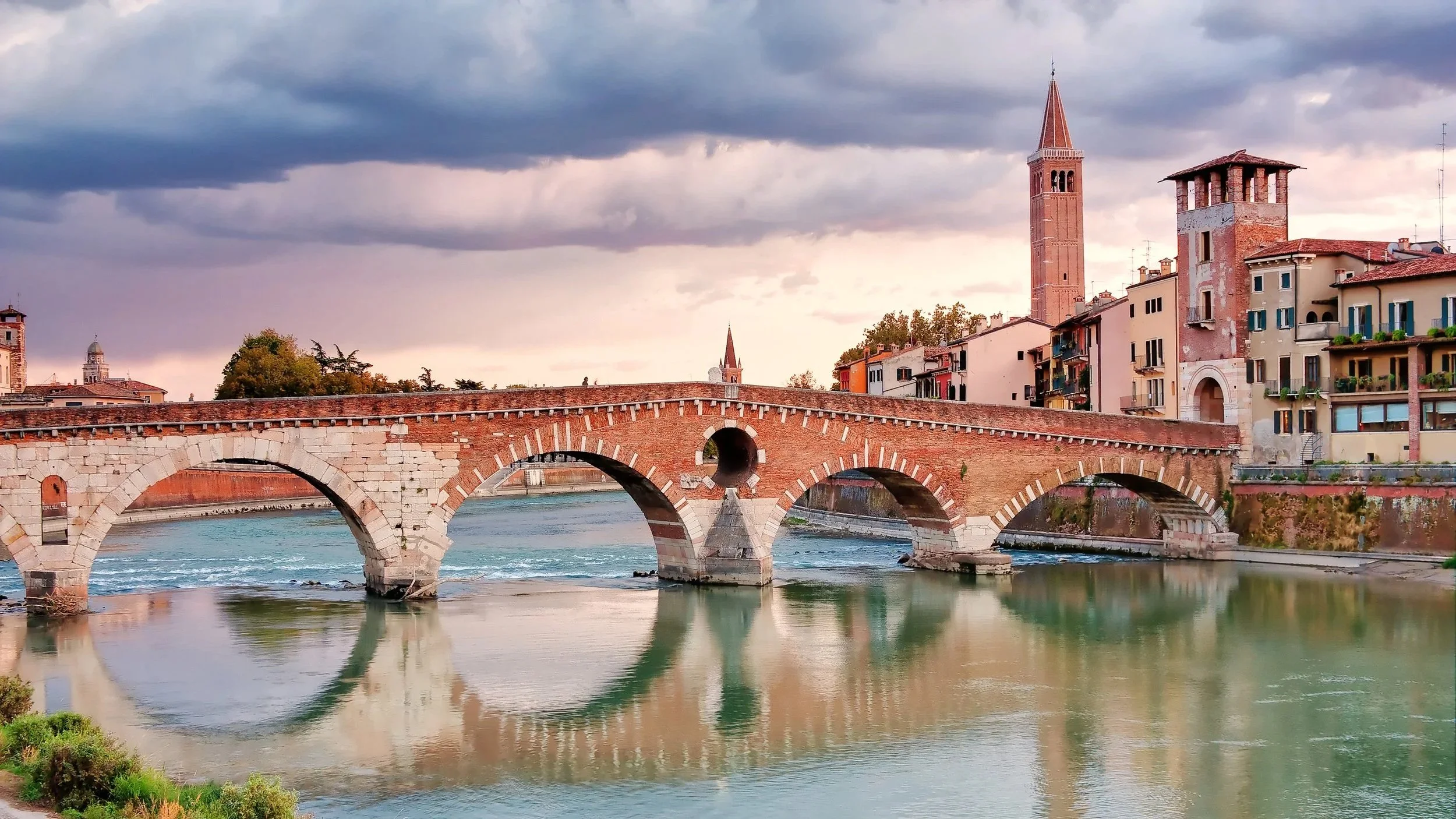
Verona: A Historic Finale
The Games conclude far from snow, in the romantic city of Verona, where the Closing Ceremony will take place in the ancient Roman Arena, a 2,000-year-old amphitheater that will be fittingly transformed into a modern Olympic stage. Shakespeare, of course, was inspired by the beauty here, and one of the main sites on any visitor’s agenda is Juliet’s balcony, but Verona’s gorgeous piazzas as picturesque setting on the Adige River make it a worthwhile stop on any northern Italian itinerary. It also helps that it’s very well connected to major cities via train.
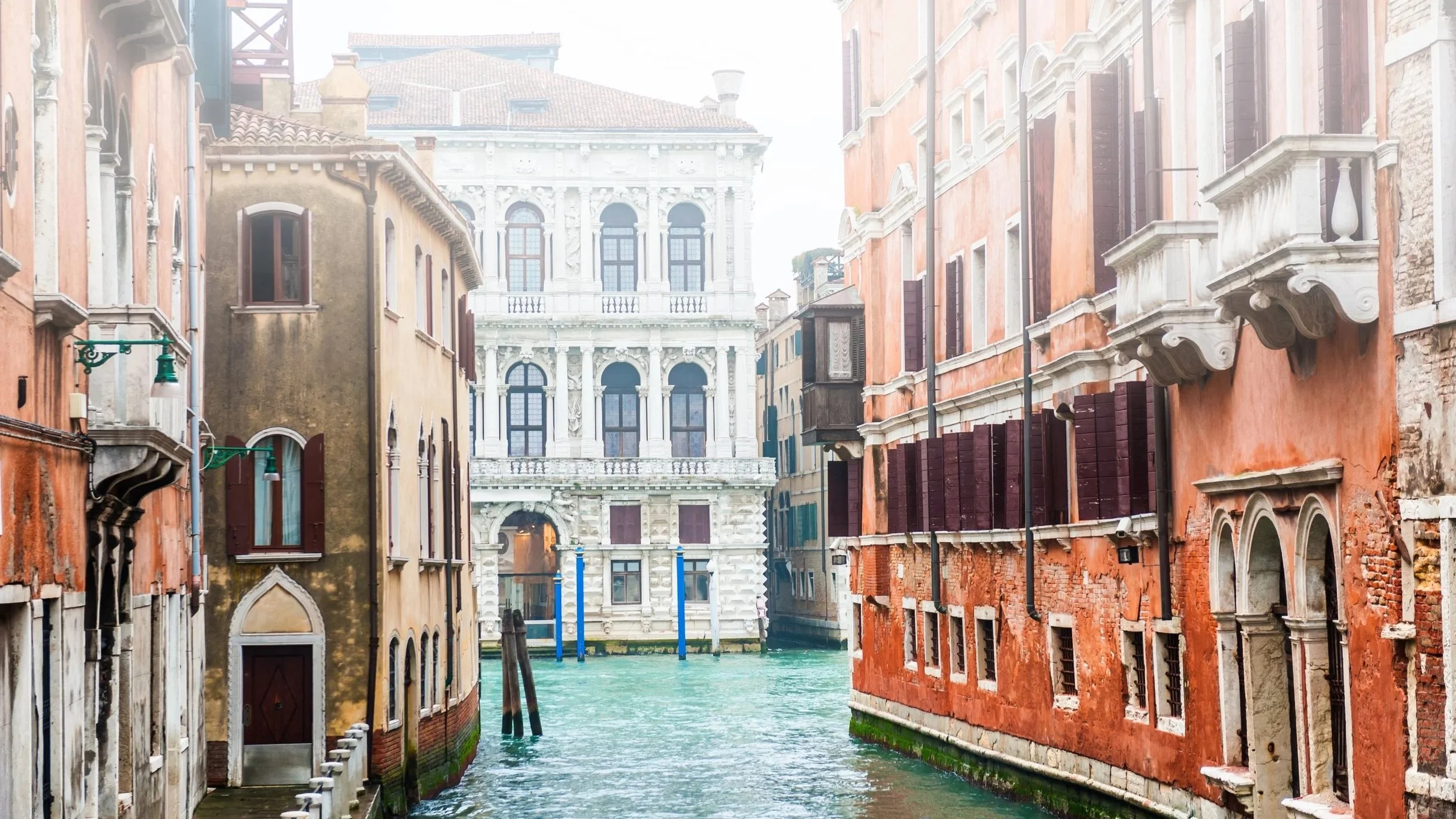
Where to Stay: In Venice! Verona is an easy 60-minute train ride from La Serenissima, which has an excellent slate of hotels and new openings on the way from major brands like Four Seasons, Airelles, and Rosewood. In 2026, Carnevale runs over the same dates as the Olympics, so if you’re keen to check a few major events off the ole bucket list, February is a good time to do it. But once things quiet down again, the misty winter mornings along the canals are particularly romantic and otherworldly, and a stop in the City of Bridges is a fitting end to a trip through an awe-inspiring corner of the world.