Local Foreigner in Indonesia
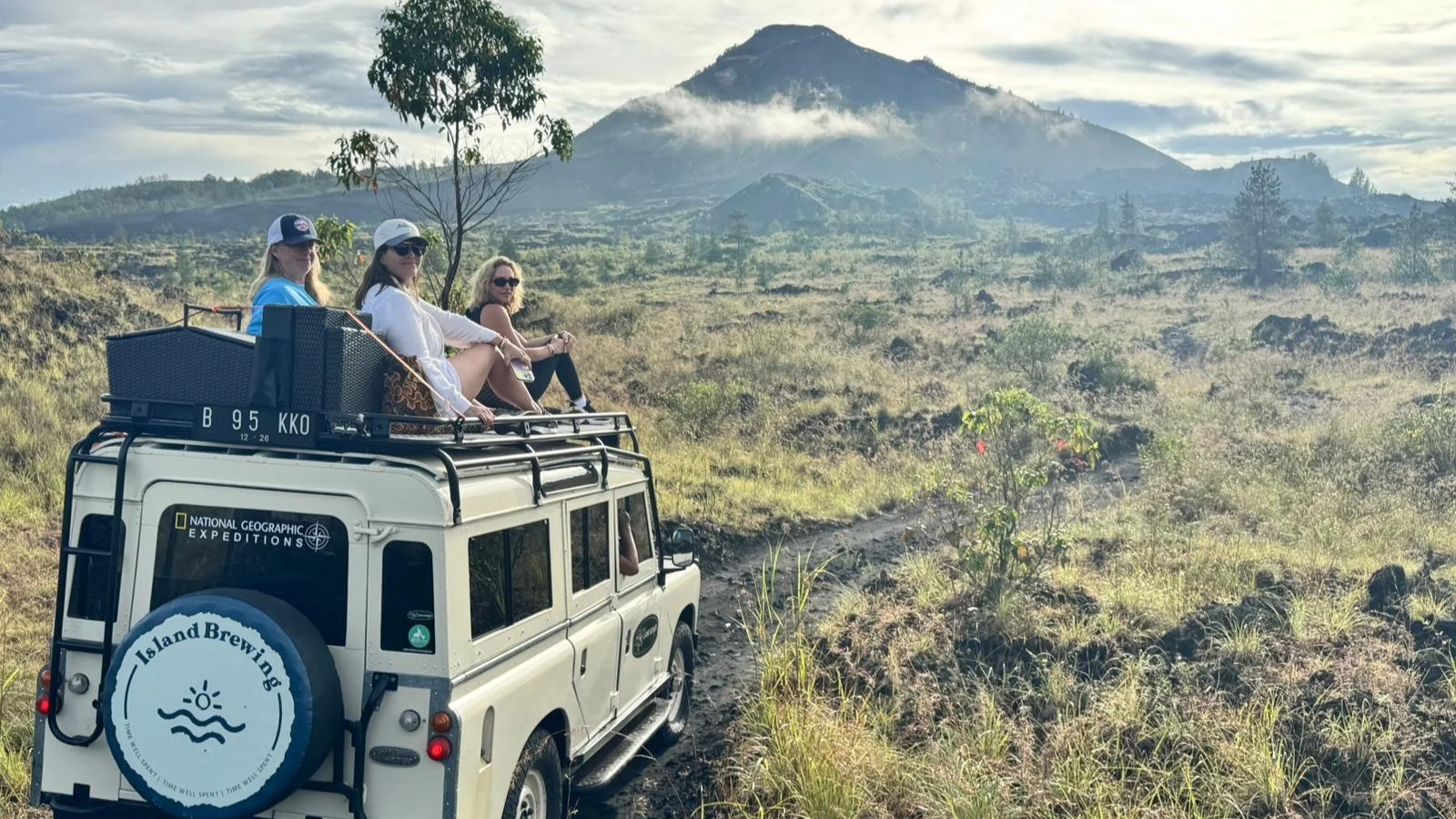
Local Foreigner’s Camilla Catlin, Jenny Plungis, and Tracy Stromberg go off the beaten path in Indonesia
By the numbers, Indonesia is staggering. With more than 17,000 islands, it’s the world’s largest archipelago, contains the world’s most populous island (Java), and is significantly wider than the United States. It spans both sides of the equator and is home to a population – the world’s 4th-largest – that speaks more than 700 languages. Somehow, though, its lore looms even larger than can be encompassed numerically. The explosion of Krakatoa, the temples of Bali and Borobudur, and even the arc of Occy’s Left all inspire a sense of romantic awe in their own way. There’s truth to the cliché that this is a place travelers come seeking enlightenment, but that enlightenment doesn’t need to be of the vaguely mystical Eat, Pray, Love variety – it can be in the arc of a wave or the dance of a shadow puppet.
Earlier this year, six Local Foreigner team members made the trek (and make no mistake, it is a trek) to the islands of Bali and Sumba to scratch the surface on this land of superlatives. The marquee destinations within the country are hardly undiscovered – much of Bali is firmly on the backpacker trail and nearly every luxury hotel brand across Asia has stuck their flag in the fertile jungle soil at some point. But we find as much value in scouting places that can sag under the potential for overtourism as those spots that are undiscovered, as knowing how to explore enjoyably and responsibly requires a defter hand when it’s crowded. And Indonesia is not just Bali - on the contrary. The country has some of the world’s most famous tourist meccas, and it has corners that feel otherworldly in their remoteness; there are streets clogged with traffic, and there are islands reachable only by phinsi. You know there’s bound to be magic in a place where the lizards are dragons.
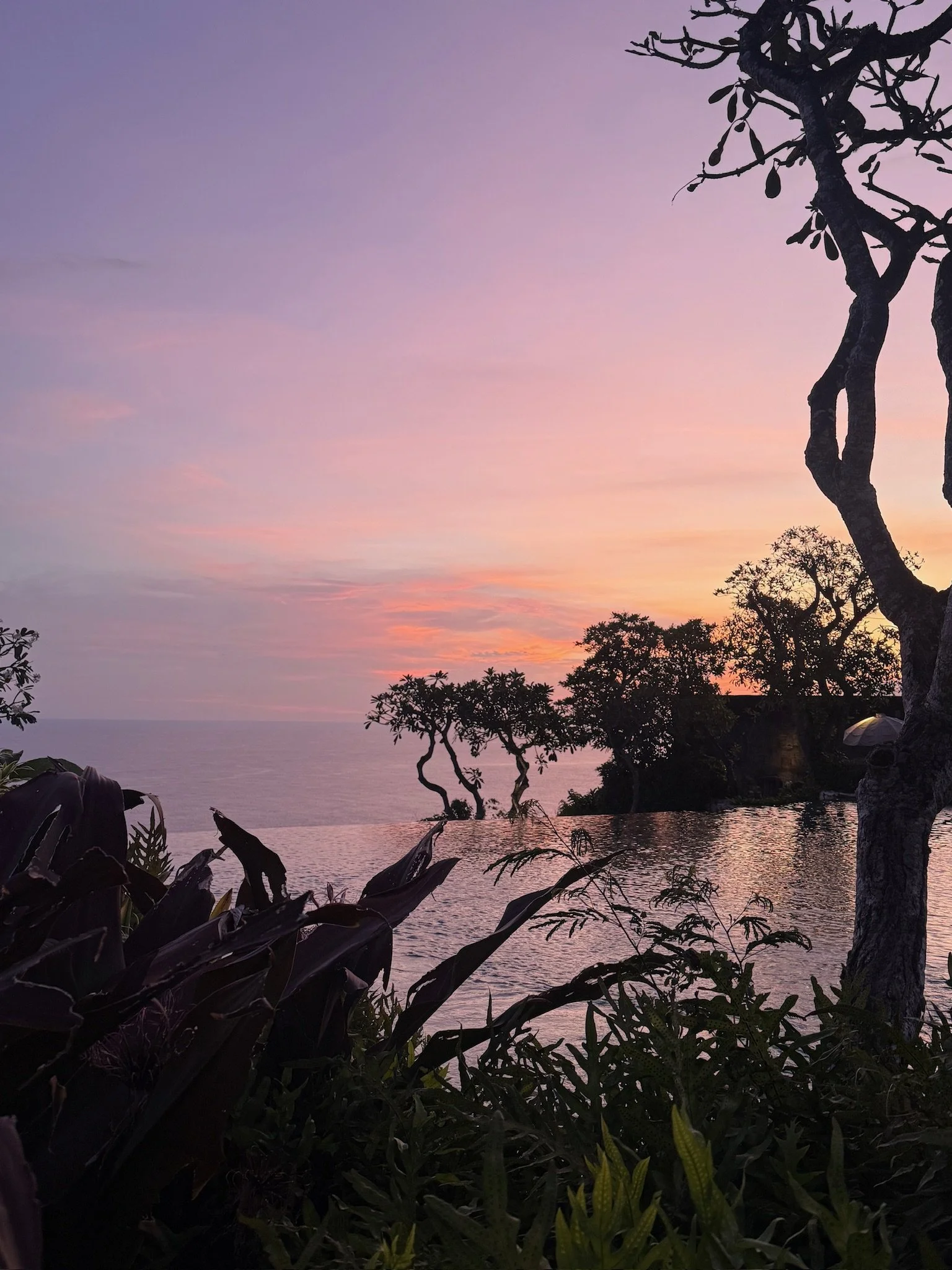
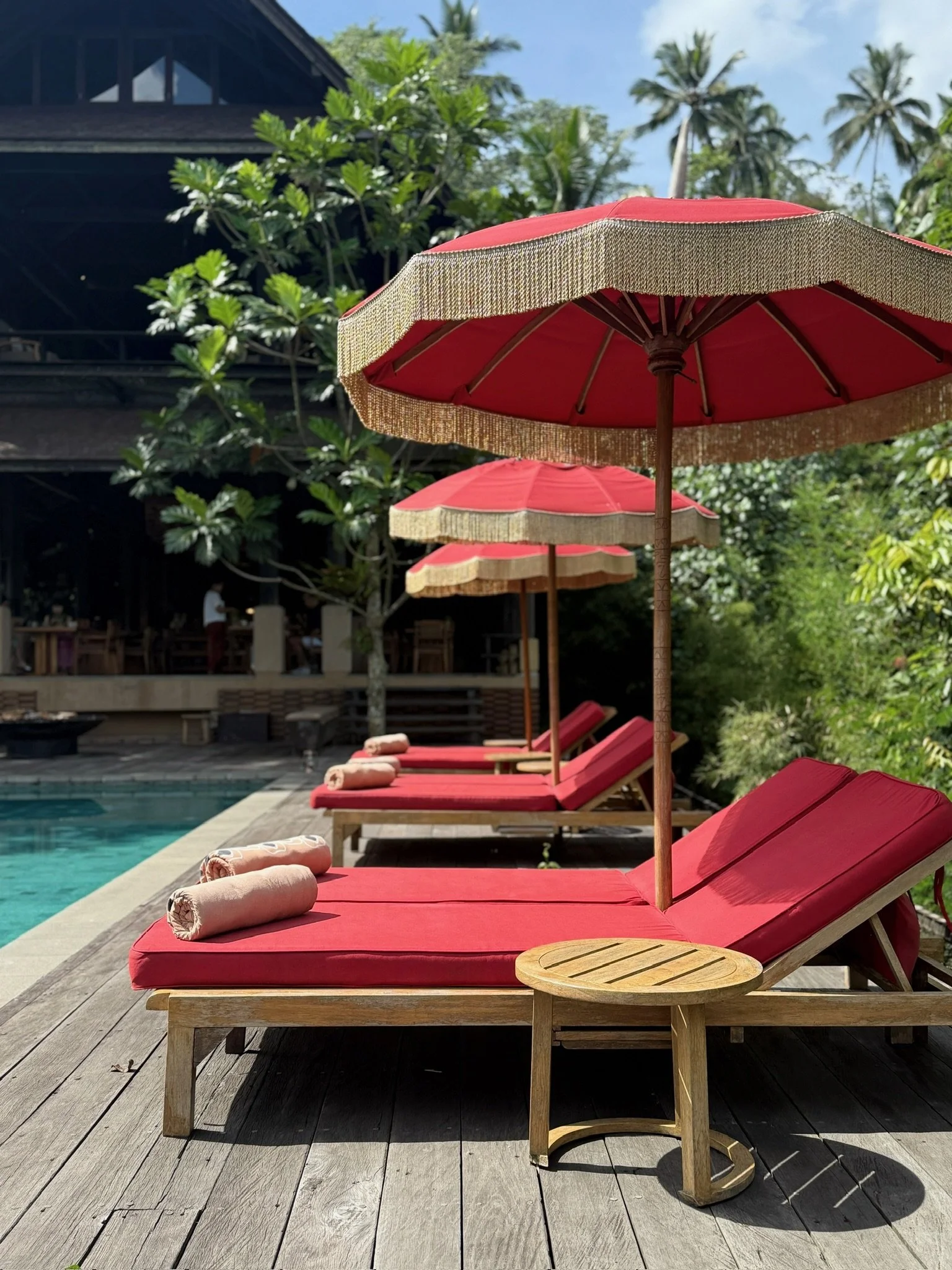
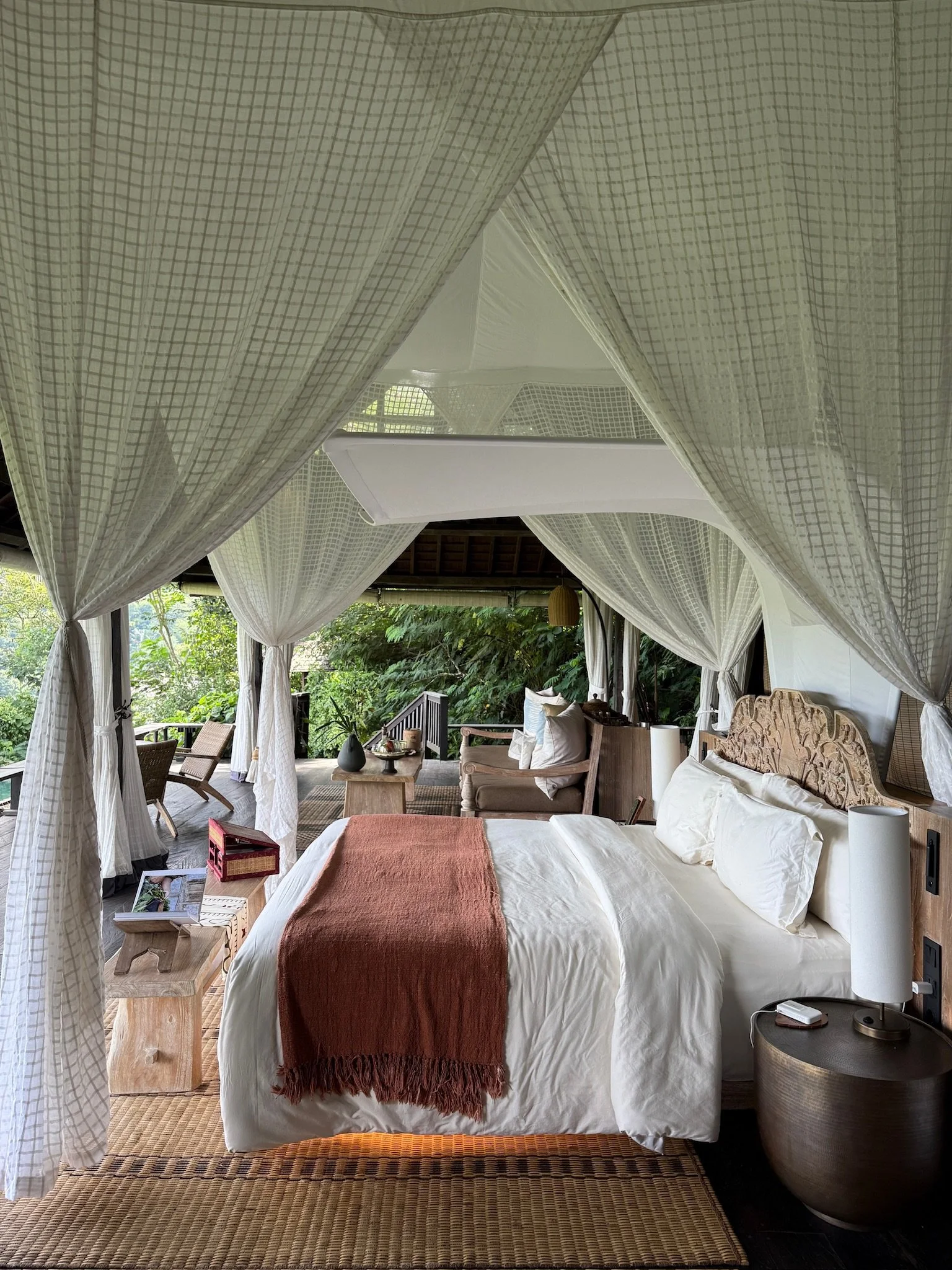
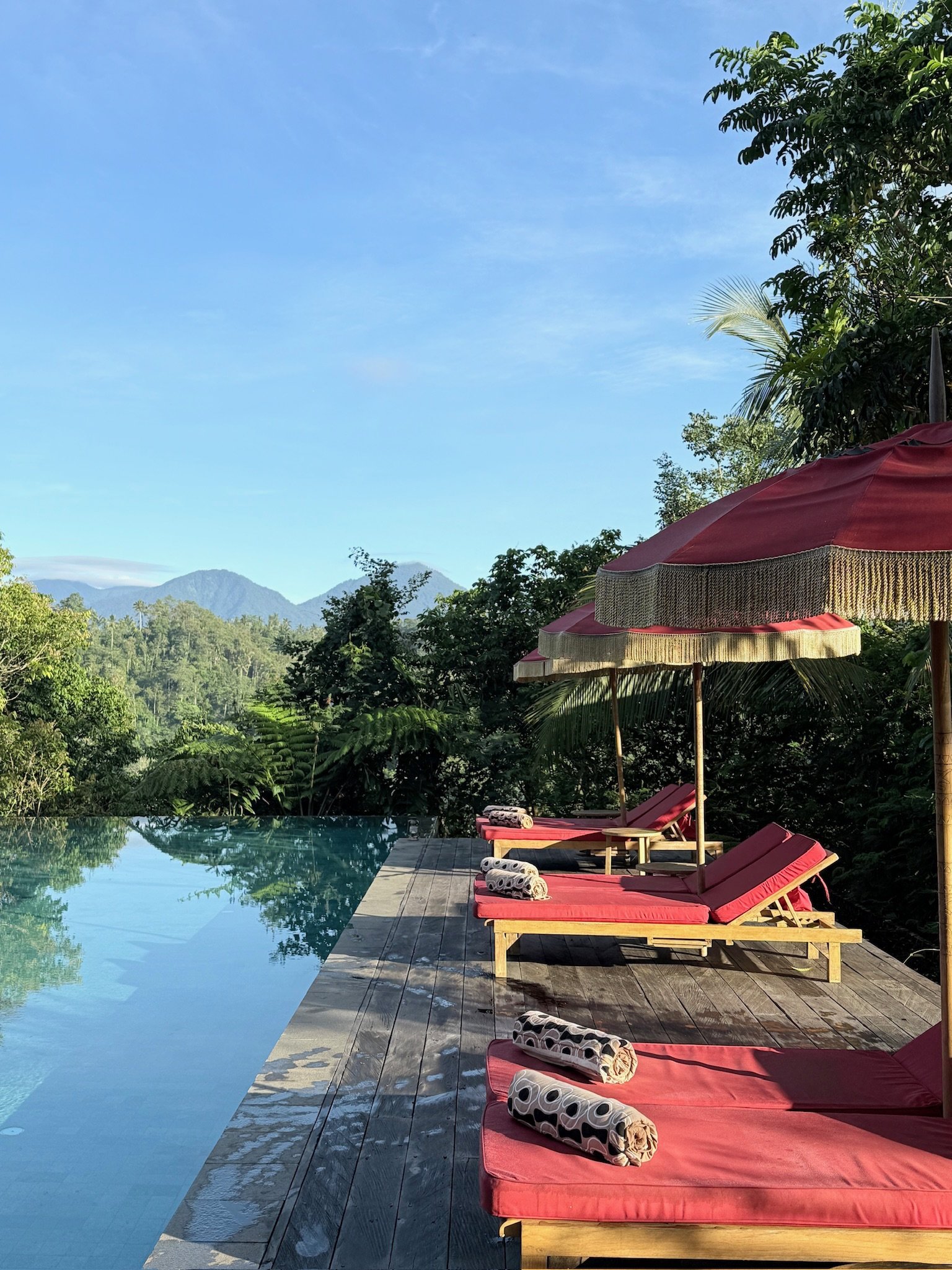
As Local Foreigner’s team is based all over the world, they arrived into Indonesia at different paces. Camilla Catlin started at Soori Bali. Located on the island’s lesser-visited west coast, Krambitan is home to black sand beaches and terraced rice fields, and the low-lying, contemporary architecture of Soori takes full advantage of the incredible sunsets. “Soori is located away from the crowds and traffic of Canggu and Uluwatu. This area is rural and untouched, fantastic for clients who want to see this quieter side of Bali, without the tourists. It was a great first stop in the country, and everything was so fresh and not too complicated,” she says. “It’s a place that’s right for people who appreciate a minimalist aesthetic and want a serene setting away from the crowds, and it’s also great for large families or groups, as there are a number of villa options.”
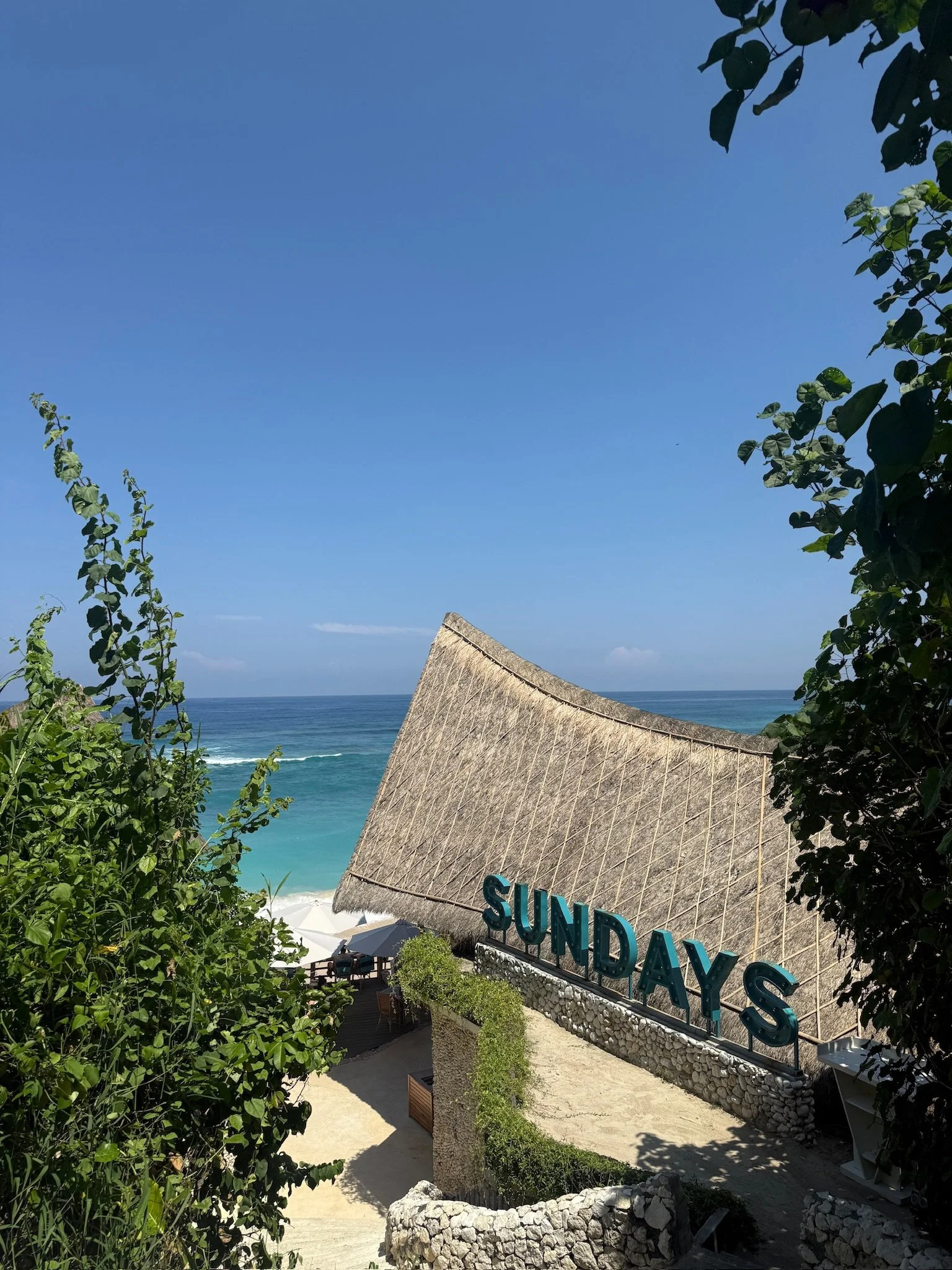
She then headed south to meet James McLaren, to the surf lore, laid-back atmosphere, and dramatic cliffs of Uluwatu, where the Bulgari Bali hovers five hundred feet above the Indian Ocean. “In Uluwatu, the hotels are up on this incredible dramatic cliff. The food was amazing, there were gorgeous flowers everywhere,” James explains.
“I loved the Bulgari,” Camilla adds. “It was so pretty and lush, with stunning views and a dramatic infinity pool. It’s a proper luxury resort, with the usual amenities (including our beloved branded coconuts.) Each room is a mini-compound with a large plunge pool and outside pavilion, in addition to the actual room.”
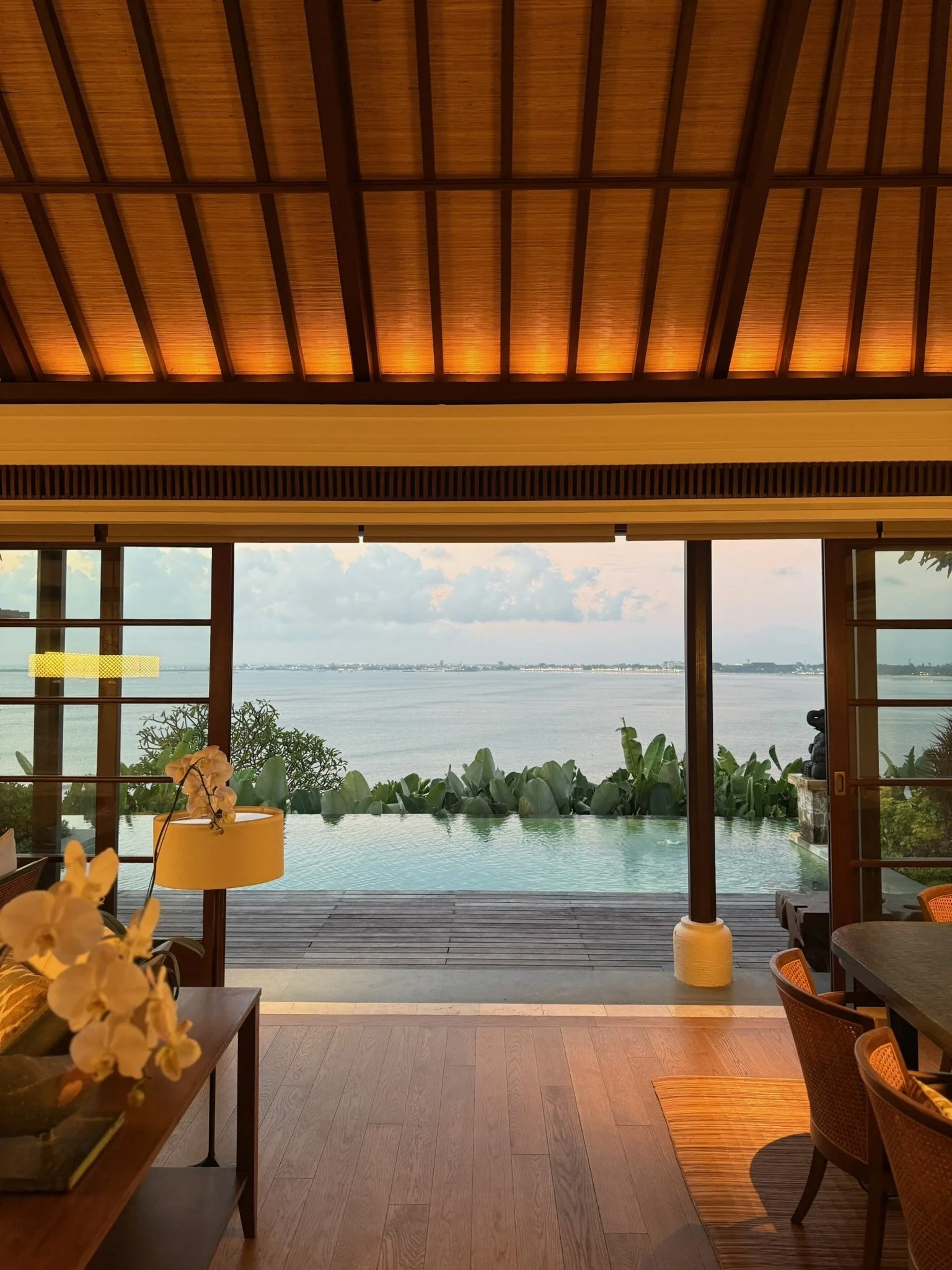
As the rest of the team landed at Denpasar airport, their first stop was Four Seasons Jimbaran Bay, a collection of 147 villas modeled on a traditional Balinese village perches on a hillside on the Bukit peninsula overlooking the Indian Ocean. After a long haul flight, its proximity to the airport is also invaluable. “I was only at The Four Seasons at Jimbaran Bay for a short stay, but I loved that it felt like authentic Balinese luxury,” says Tracy Stromberg. “Rooms are spacious and designed with open-air living in mind. They're a bit rustic in feel—think stone walls, thatched roofs, and teak finishes – so it feels soulful and immersive, and its fabulous spa makes it a perfect first stop in the country.” After some time on the massage table and the type of deep sleep that can only happen courtesy of Four Seasons’ famous beds, the group was off to the island of Sumba, an hour’s flight to the east.
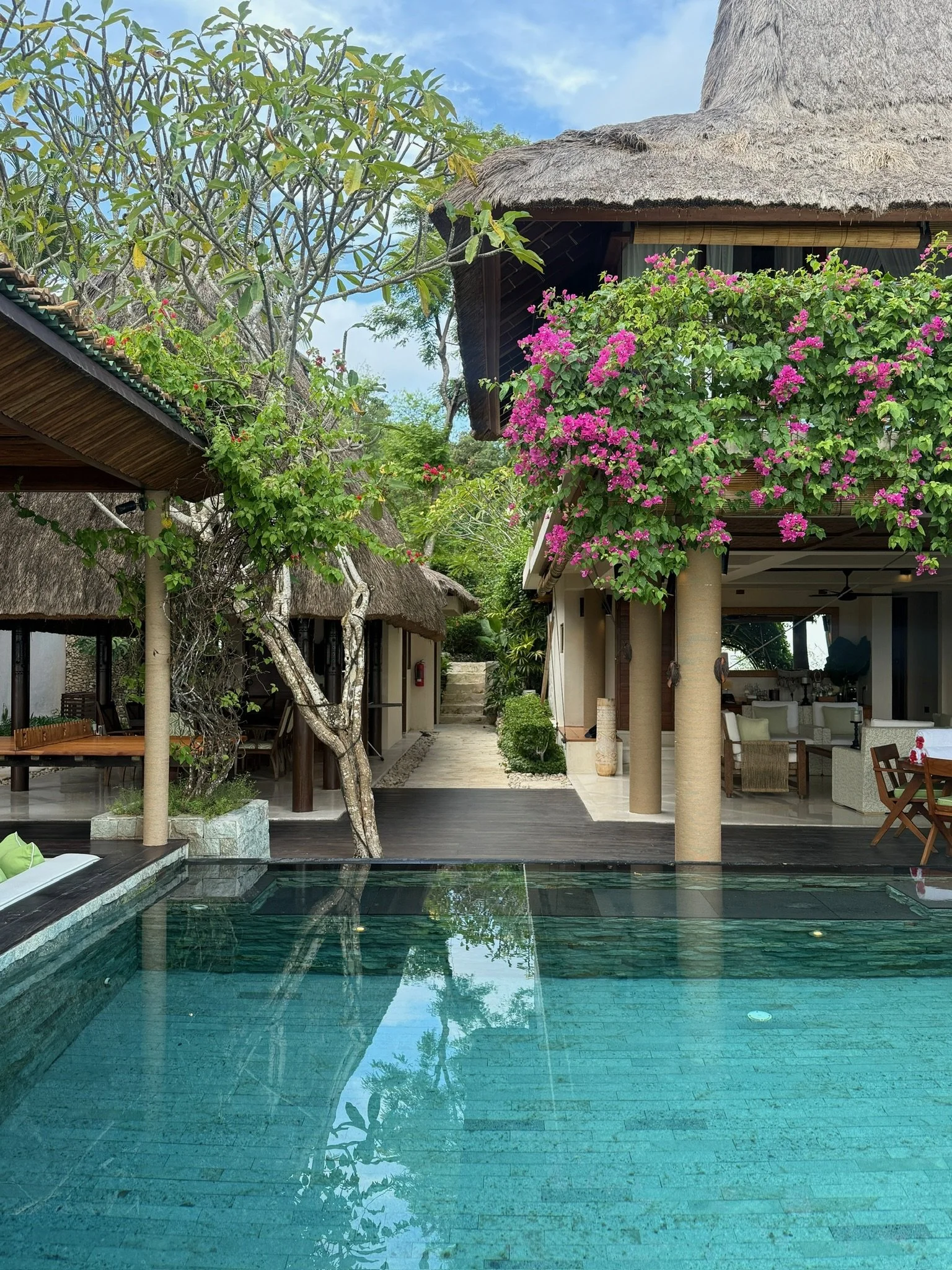
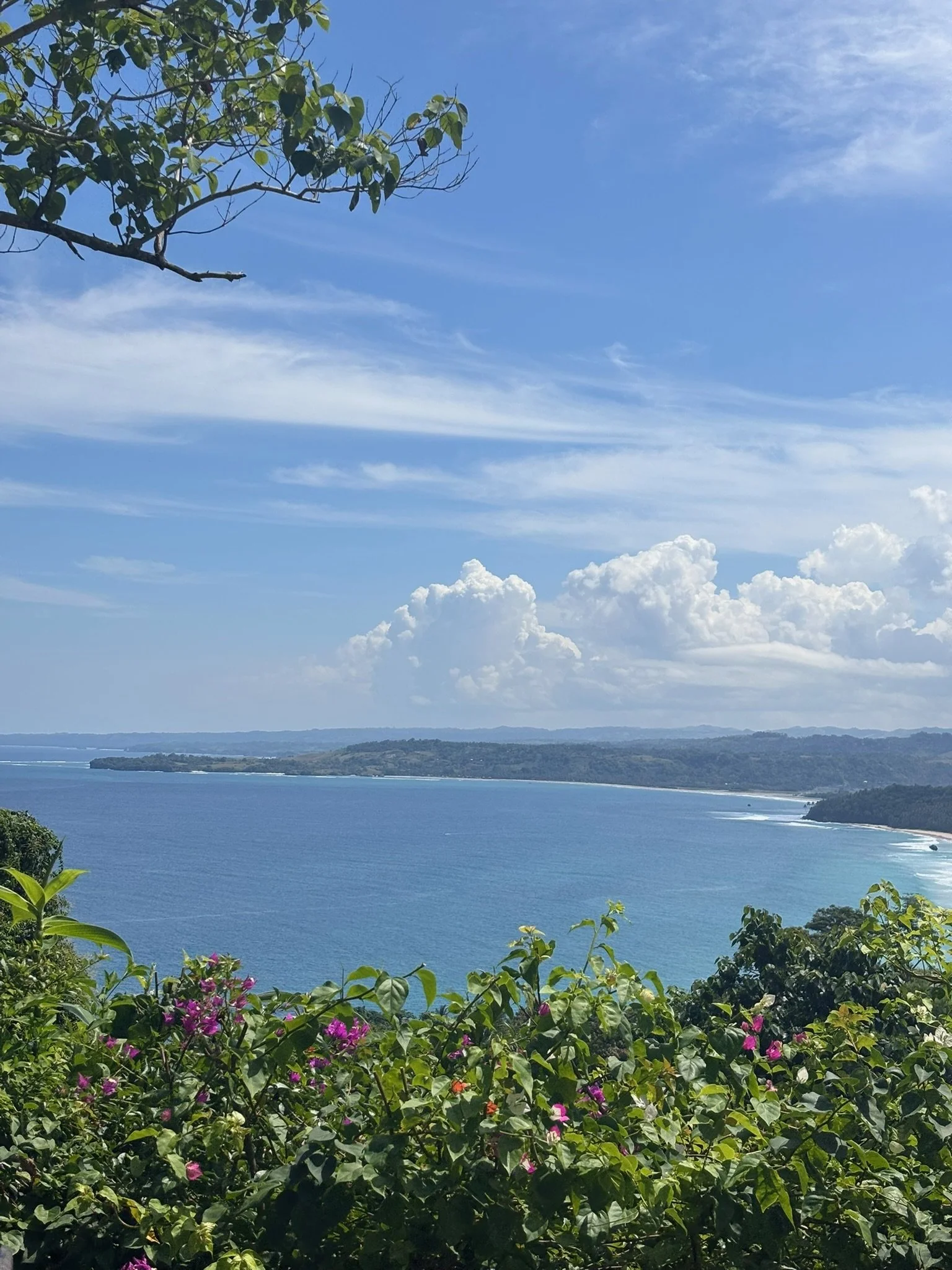
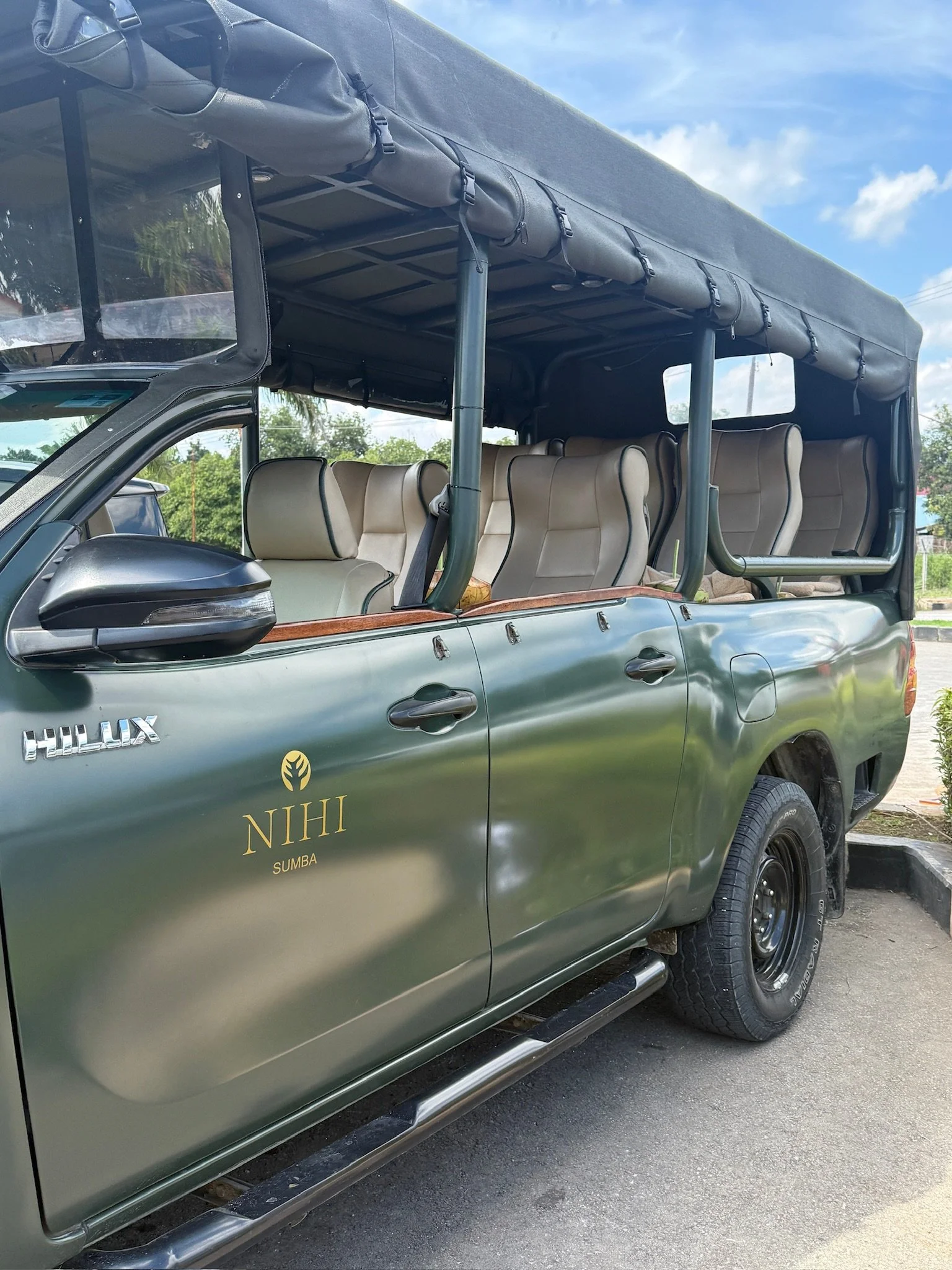
Sumba is roughly the size of the island of Jamaica, making it twice as big as Bali, but its population is just 20 percent of its more famous sibling. There are wild horses and festivals and houses with towering thatched roofs, as the local religion believes that ancestors’ spirits live on the top floor. It’s also home to one of the world’s best surf breaks – Occy’s Left – and, on the beach in front of the wave, the legendary Nihi Sumba. Nihi, as it’s known, is a mainstay on lists of the world’s best hotels, and a property that also ranks highly on most travel advisors’ bucket lists. For James, it lived up to the hype. “NIHI Sumba is like finding the love of your life – it just gets under your skin in the best way. I could talk about the wild horses for days (and honestly would go back just for them), but NIHI also has this magical combination of a stunning beach-meets-jungle setting, a killer lineup of activities, excellent food, a cool, international, low-key hot crowd, and a healthy sprinkling of something you can’t quite put your finger on. It stays with you and makes you want to return the second you leave.”
“The island of Sumba is rural, remote and untouched. The road from the airport to NIHI snakes through the hills, lush forest, terraced farmland, through small villages. Most locals have only known this small island for their entire life, and dipping into that world is a privilege,” says Brianna DeRose.
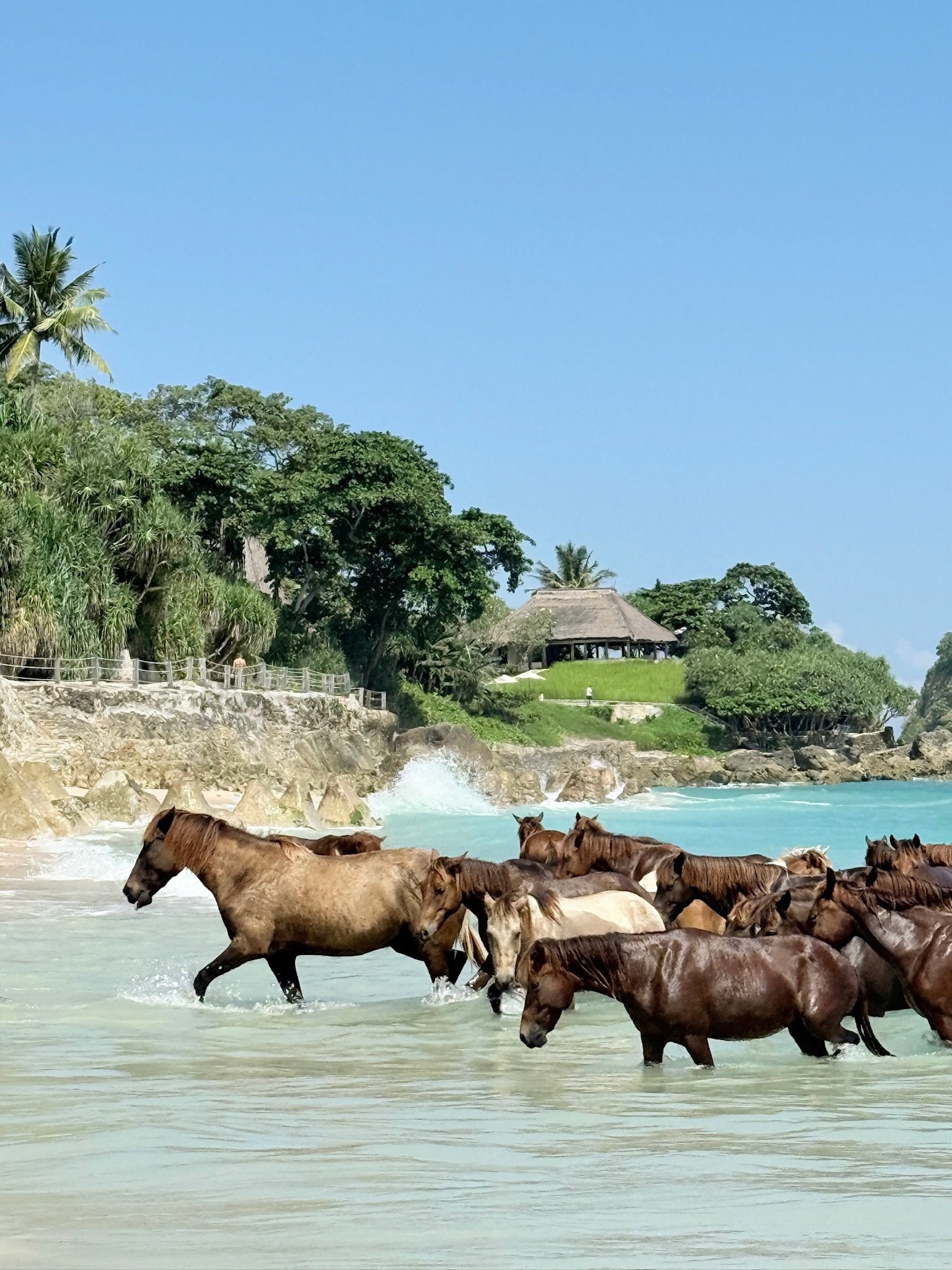
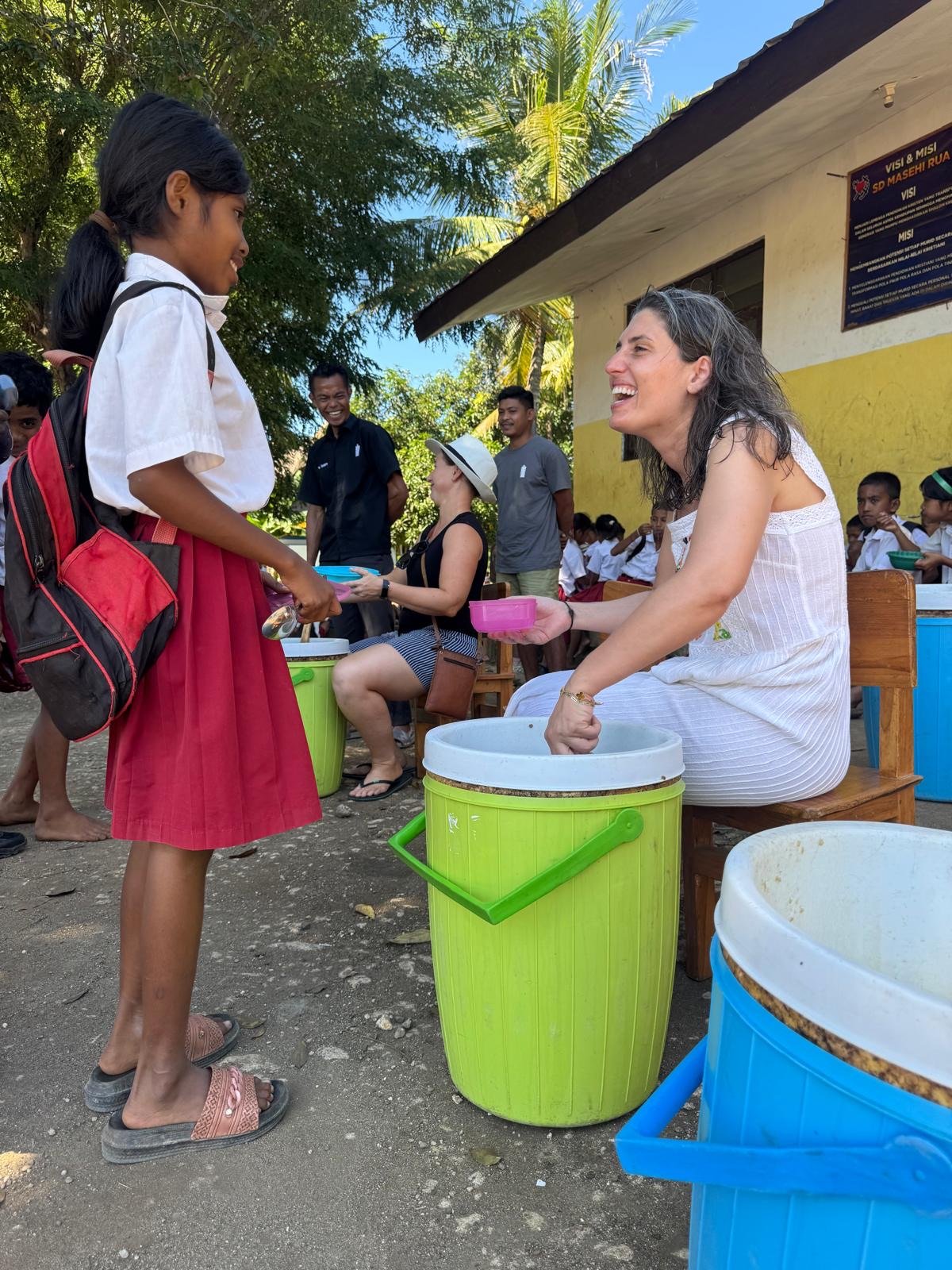
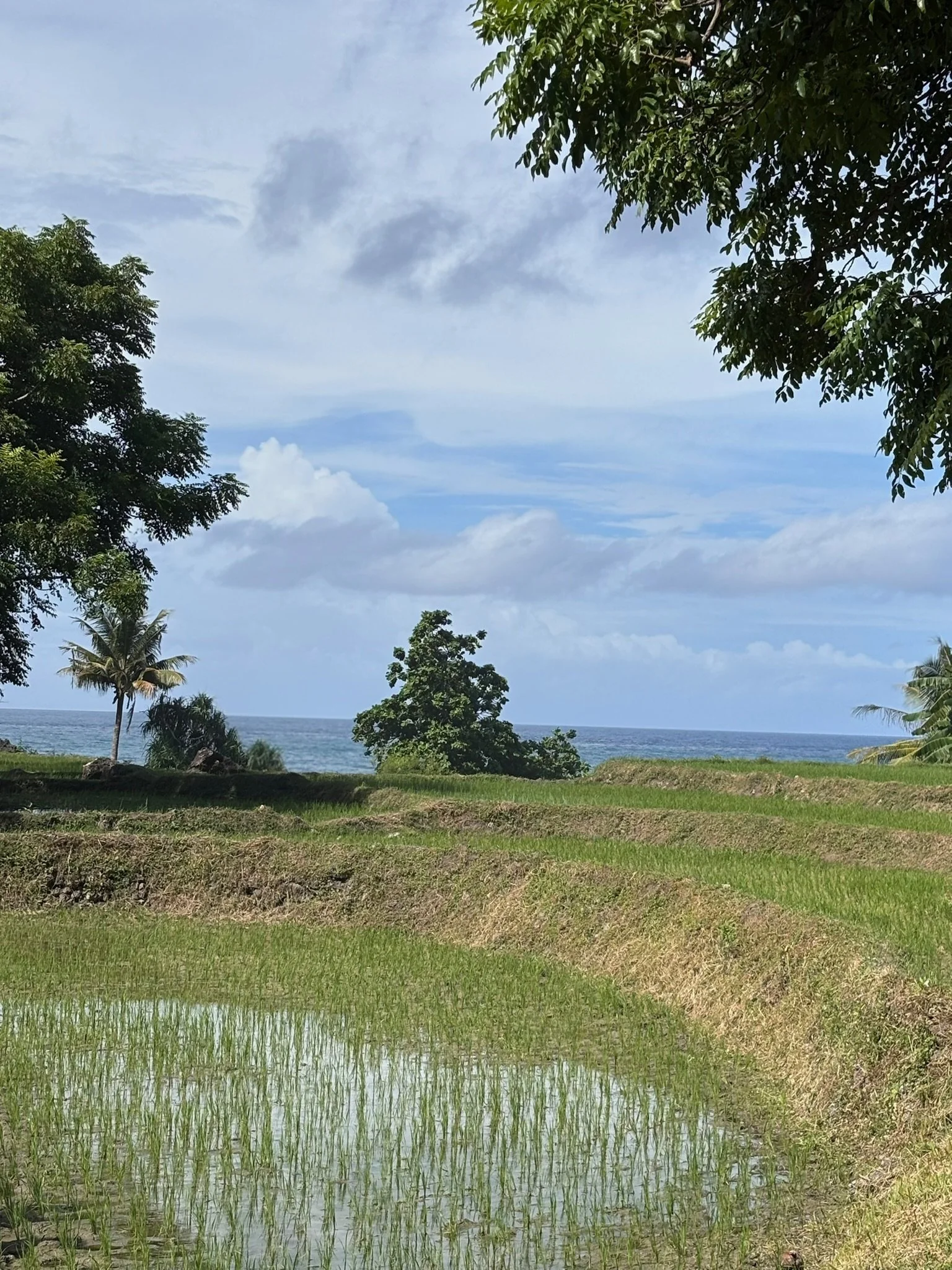
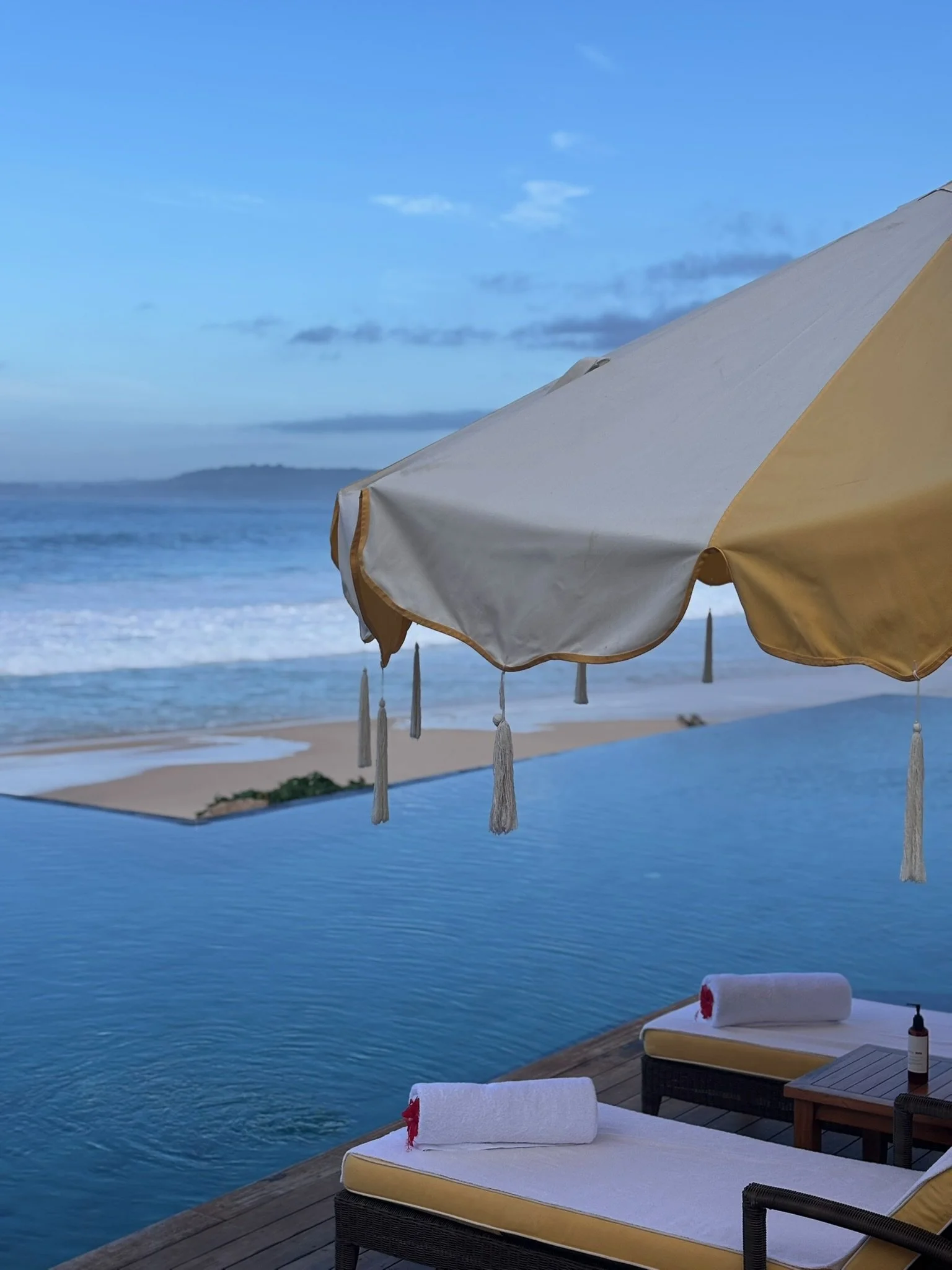
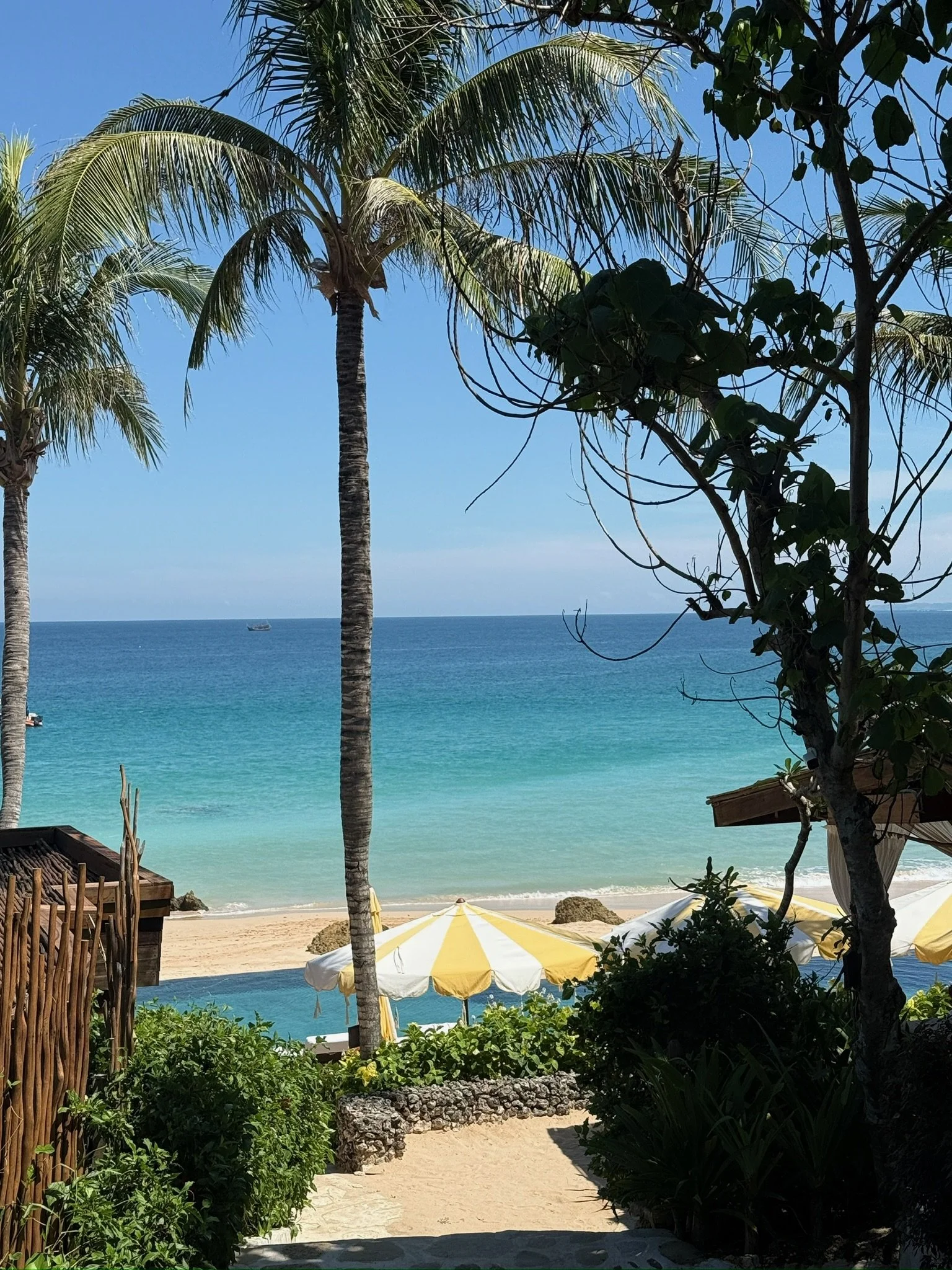
Brooke Lavery continues, “This place is so special I would fly across the world to spend a week here and go nowhere else.” James would stay even longer: “There’s so much to do: boat days, hikes, the iconic spa safari (do not skip), surfing, horse rides on the beach (magical), visits to the Sumba Foundation, and more. We even got to take part in a baby turtle release, which was unforgettable. You could easily stay for 10 days and not tick off everything on the list.” The rest of the team concurs, using words like “magic,” “raw and wild,” “breathtaking,” and “a place that touches your heart.” In the world of competitively discerning travel advisors, a consensus rave is impossibly rare; NIHI gets one.
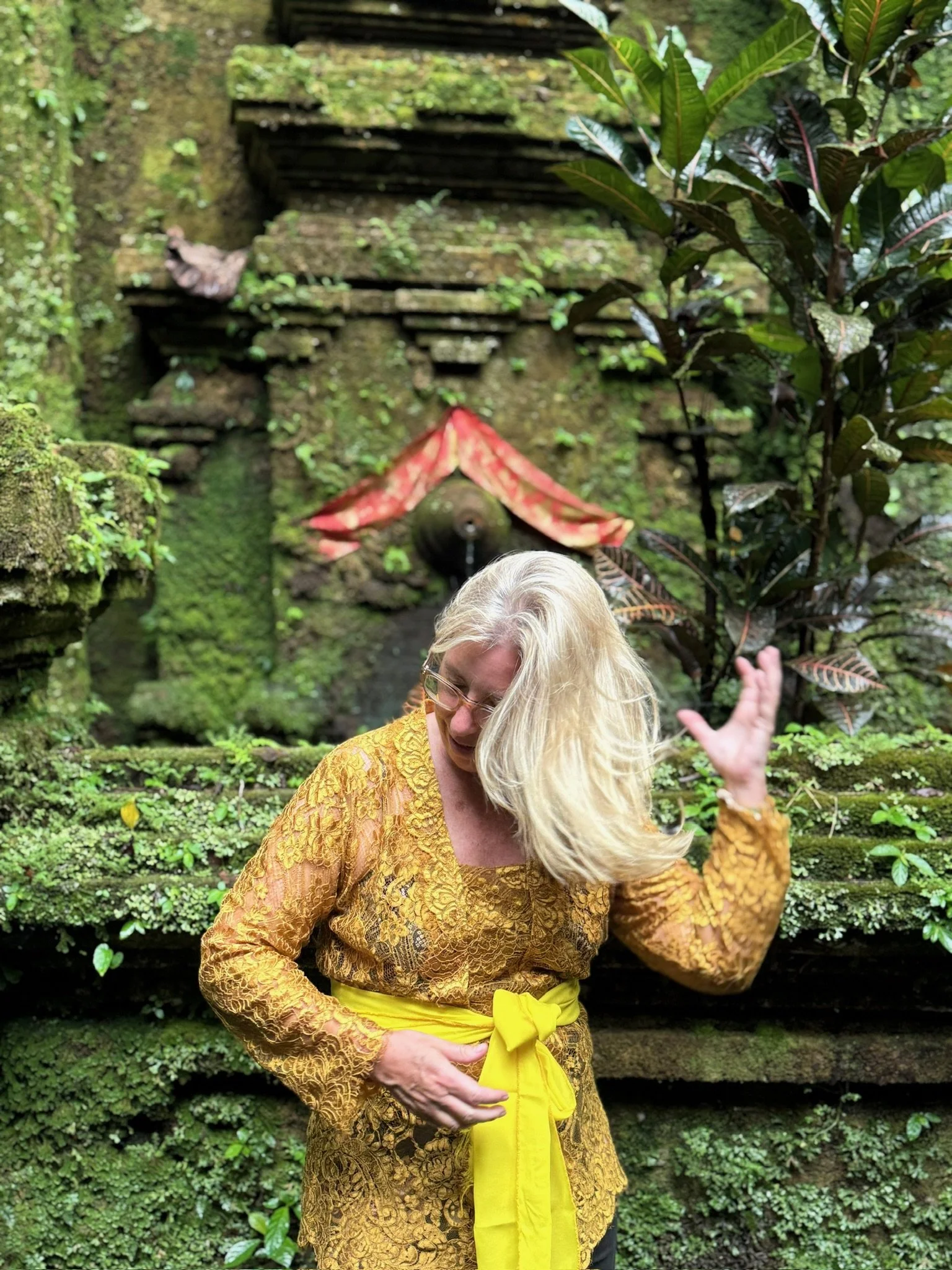
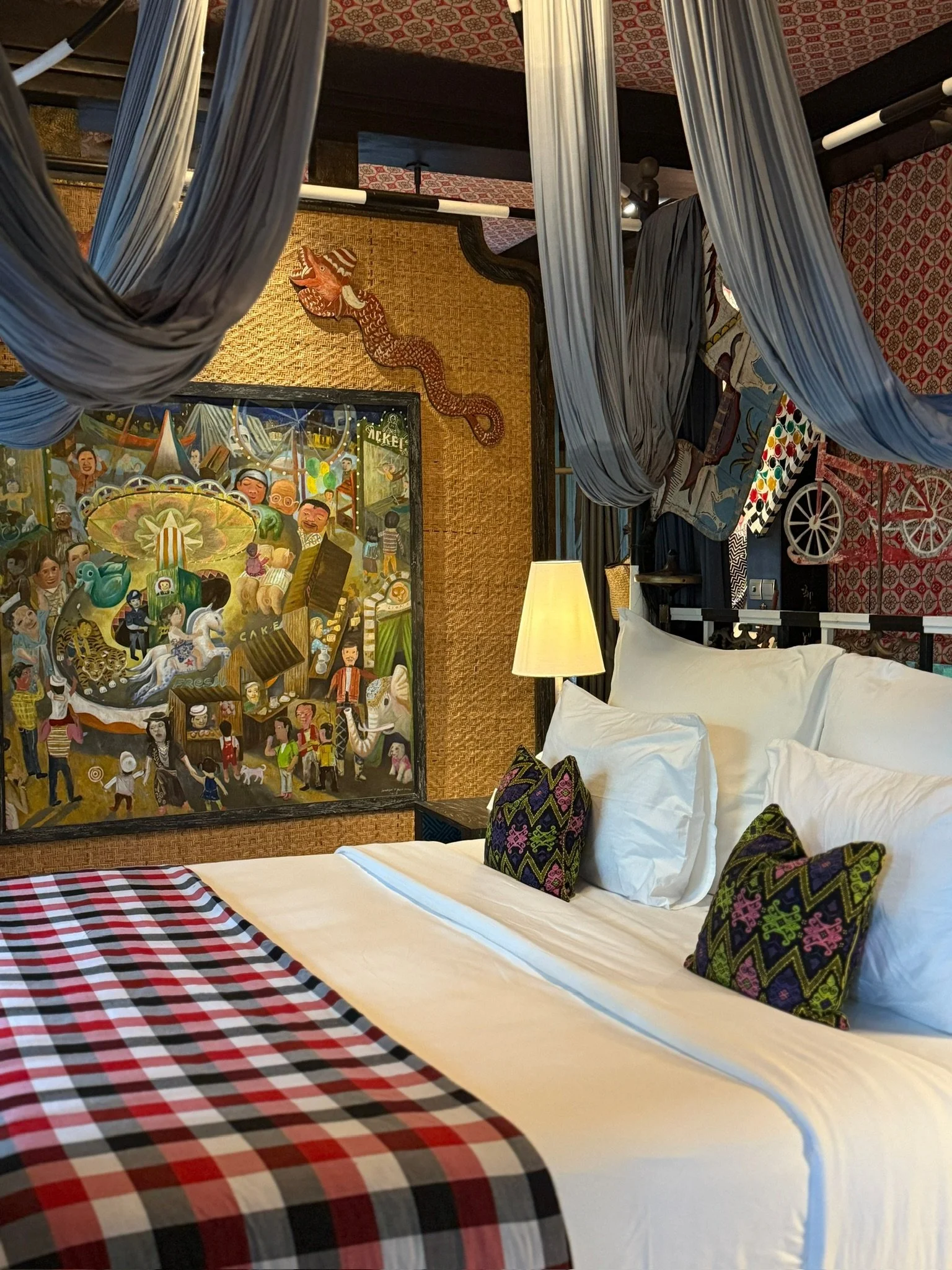
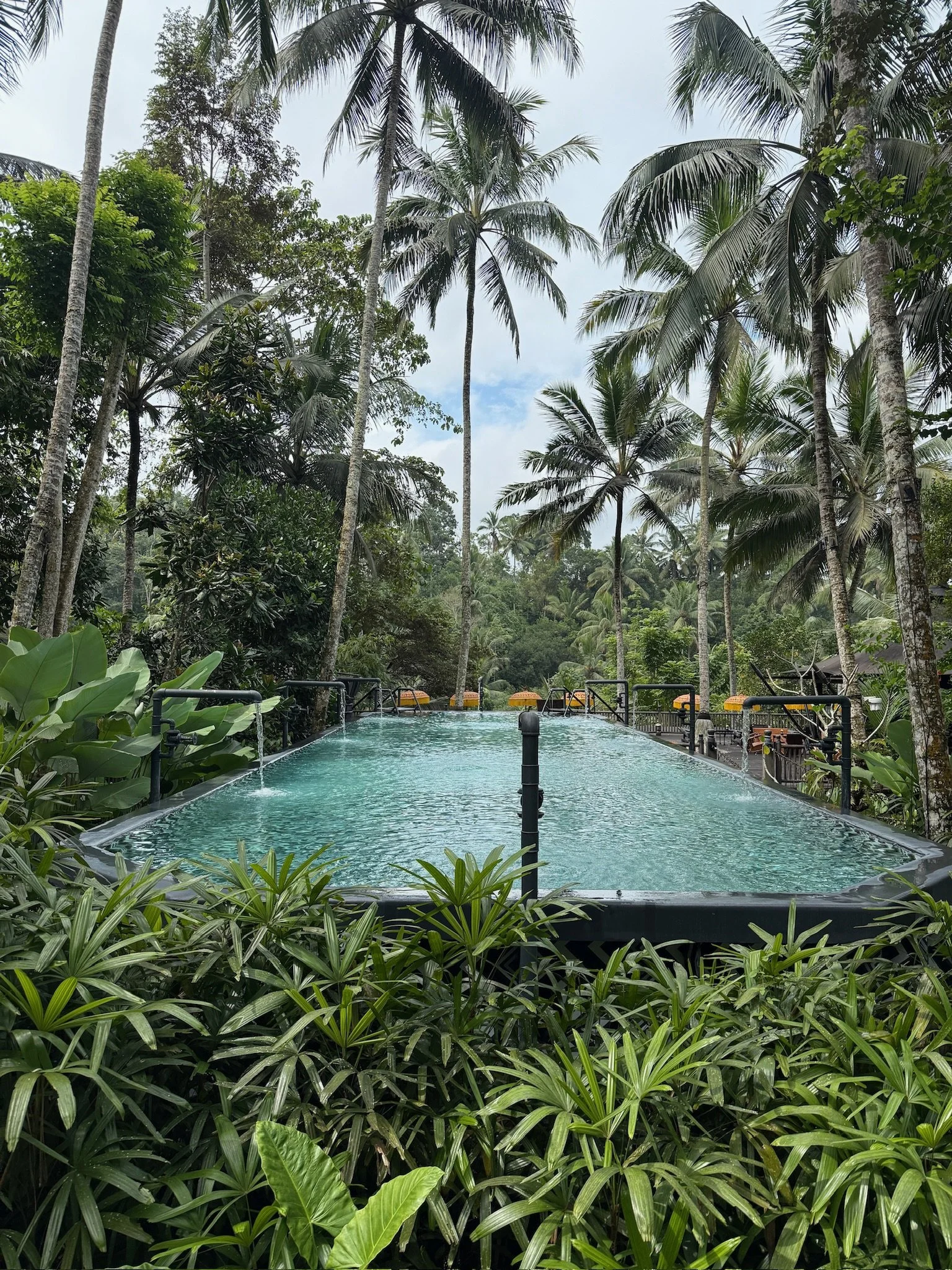
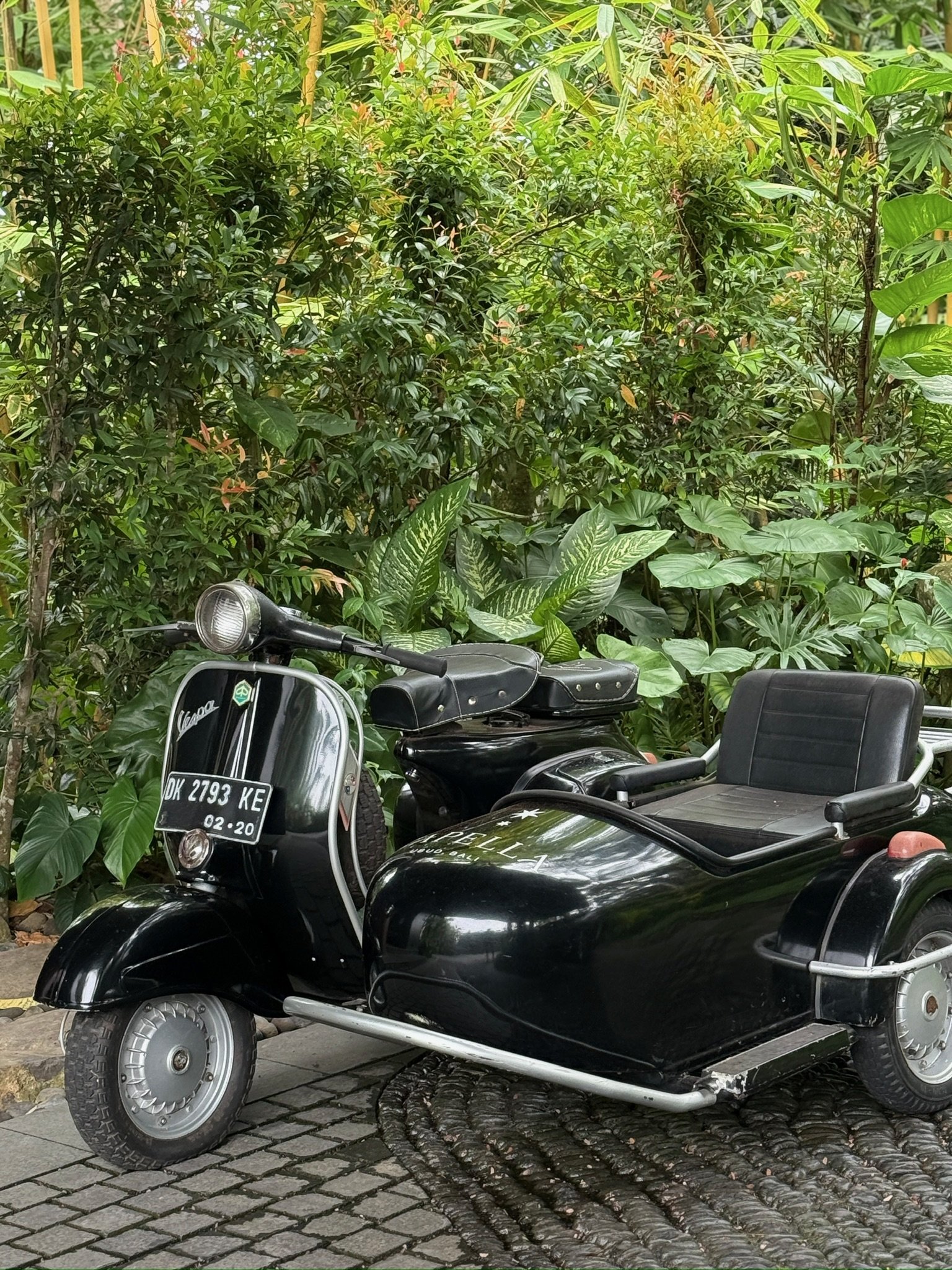
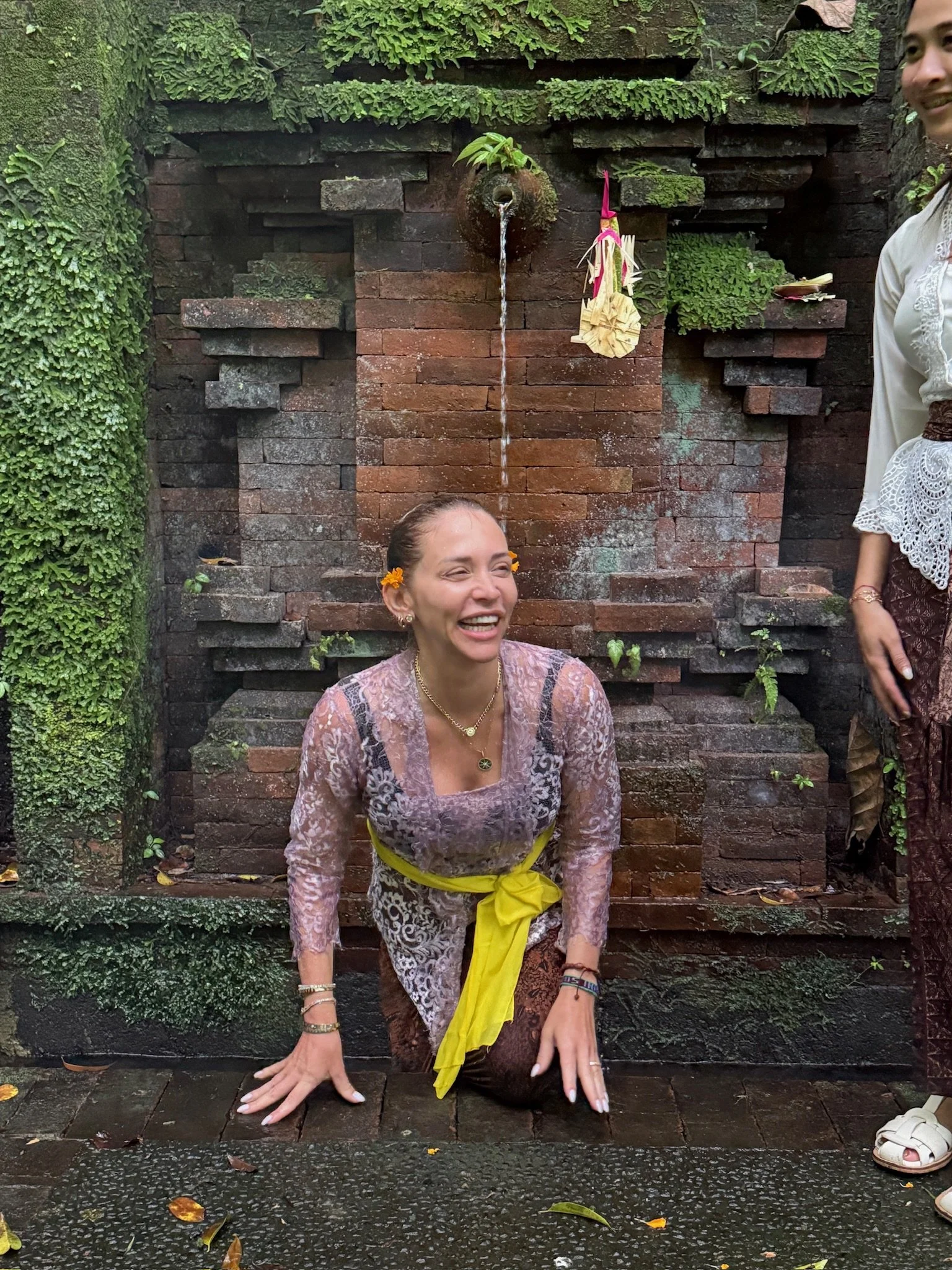
With actual tears and effusive promises to return, after three nights on Sumba, the group headed back to Bali, to the fantasy world designer Bill Bensley has created at Capella Ubud. “Capella Ubud is a fantasy, a whimsical tented camp within the lush jungle and terraced rice-paddies of Ubud,” says Brooke.
“You may envision Bali in a certain way, but the Capella challenges that cliché,” says Brianna. “Décor is quirky and artistic, and every tented room is different. But service is excellent and so is their food and beverage program – we had a ten-course omakase that was fabulous. Their activities offering is also wonderful, and the Melukat, or ‘Body Reborn’ experience, where you’re showered in the waters of the Wot River, was incredibly purifying and liberating.”
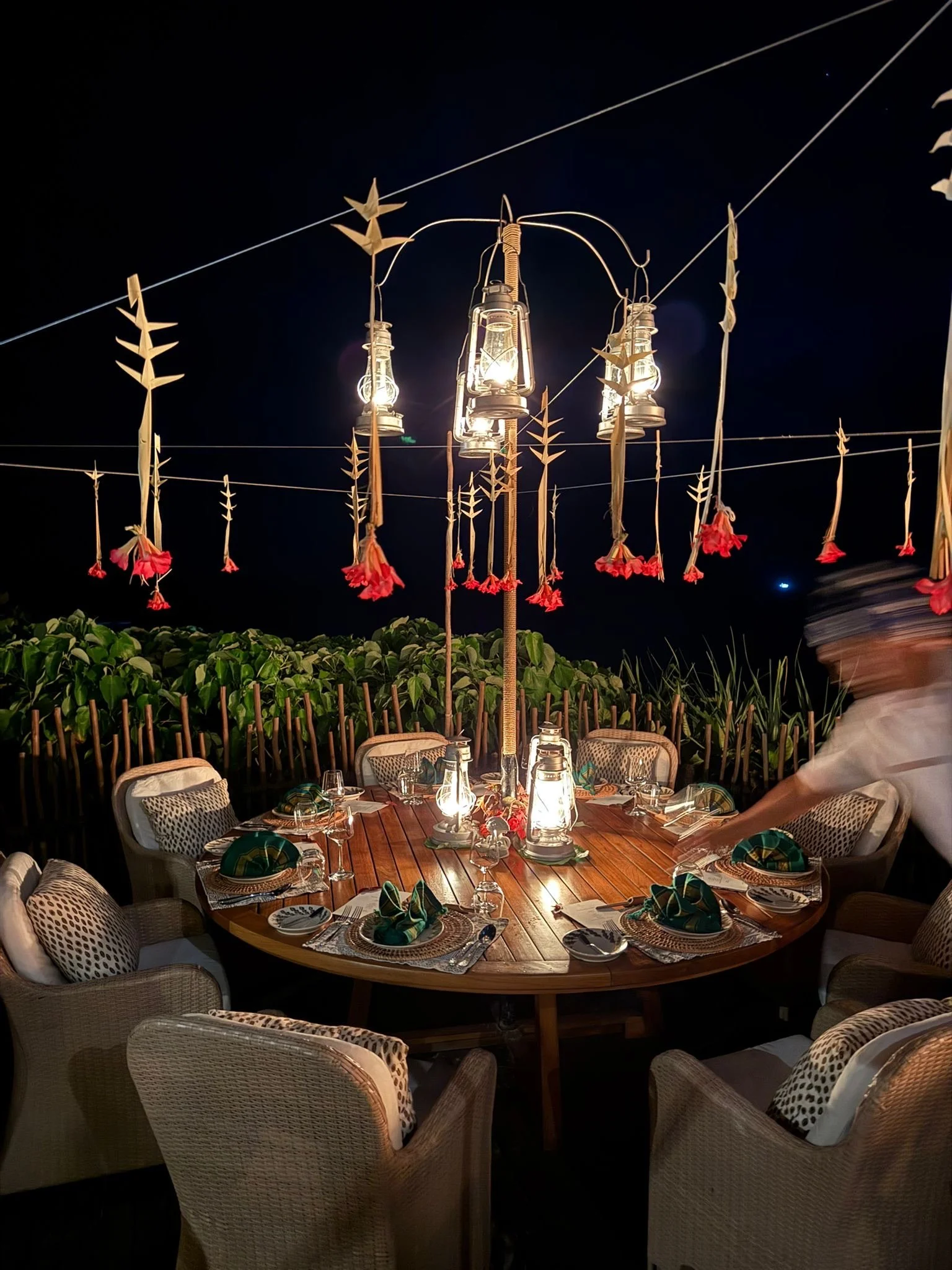
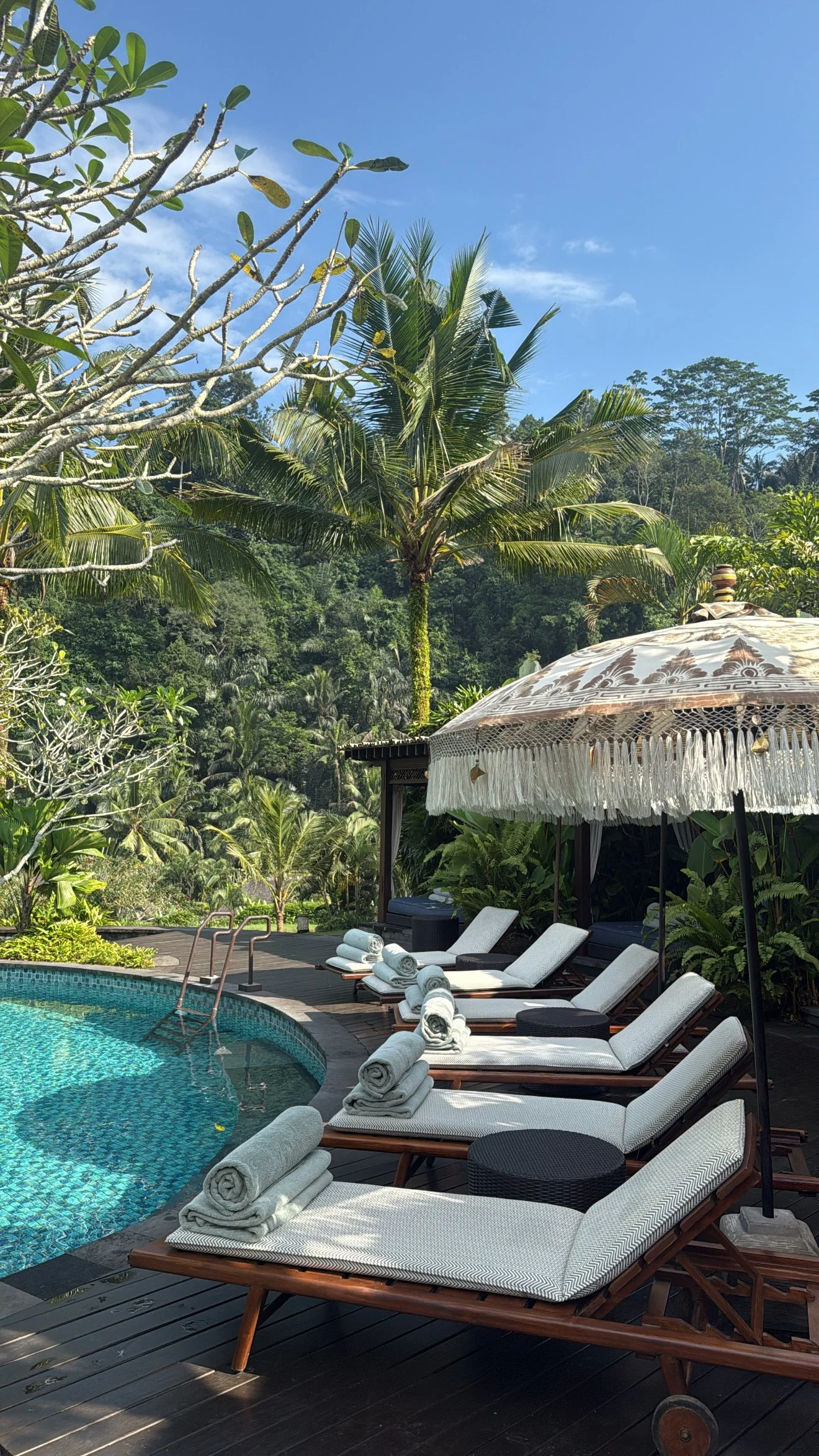
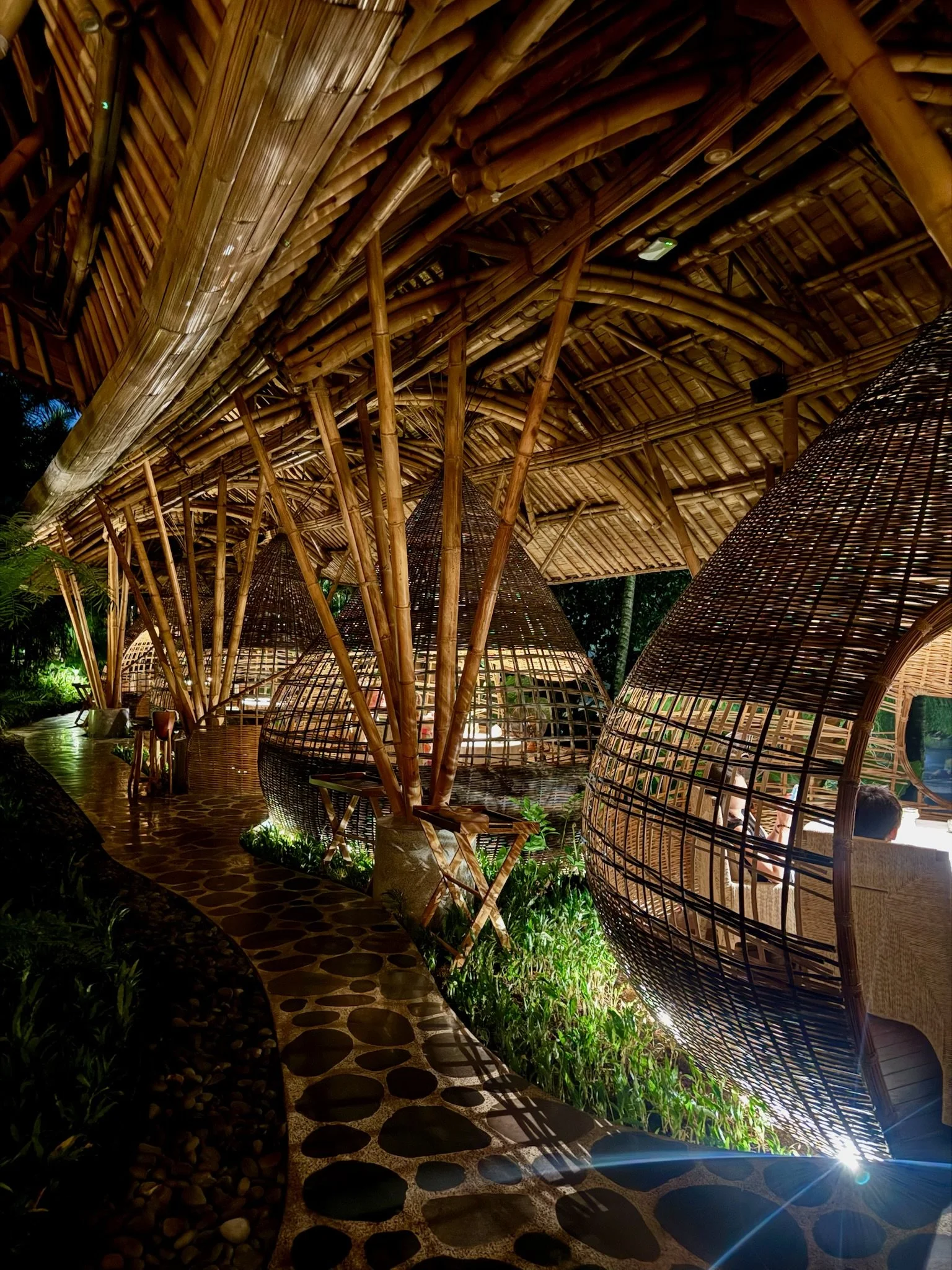
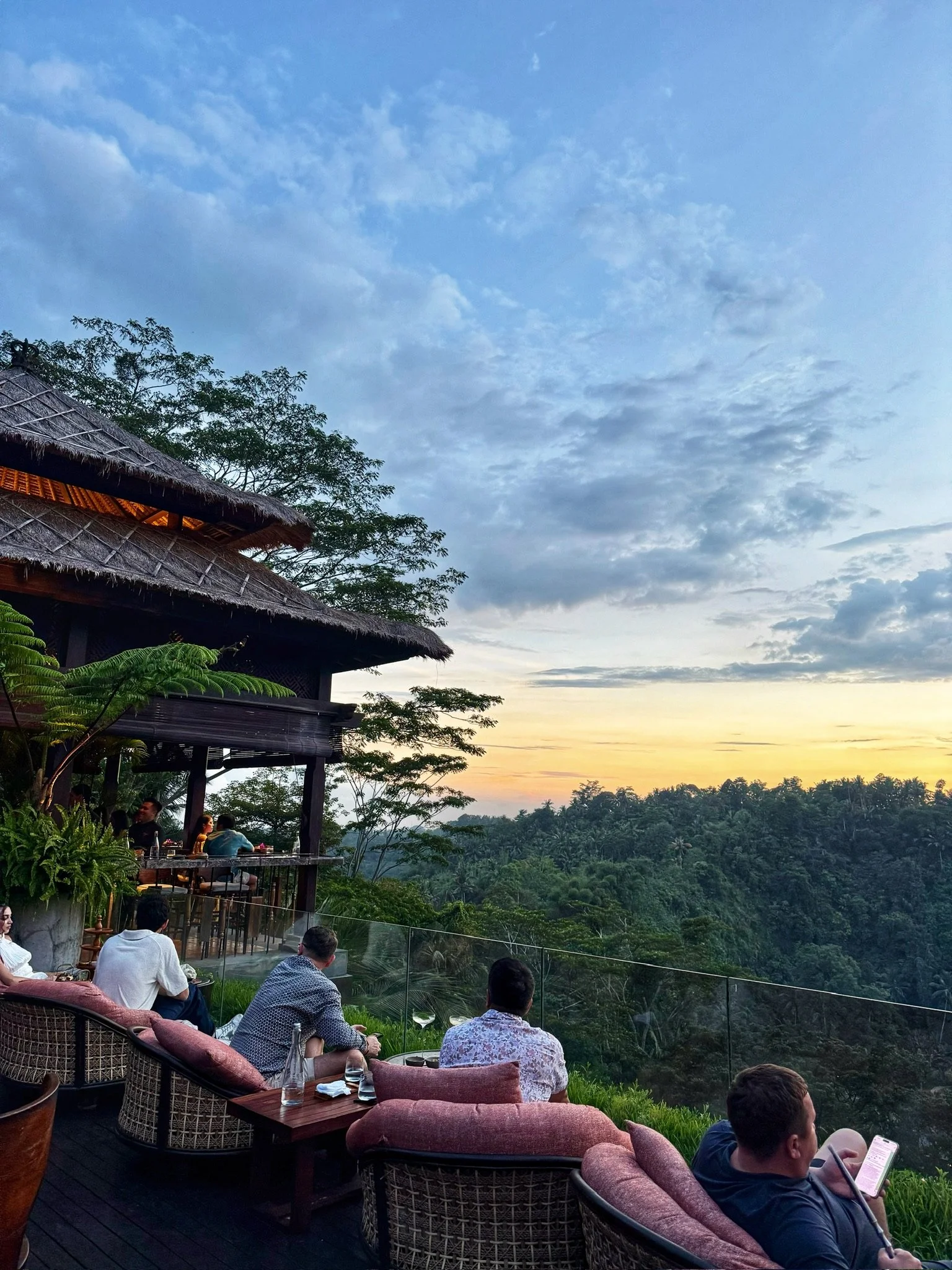
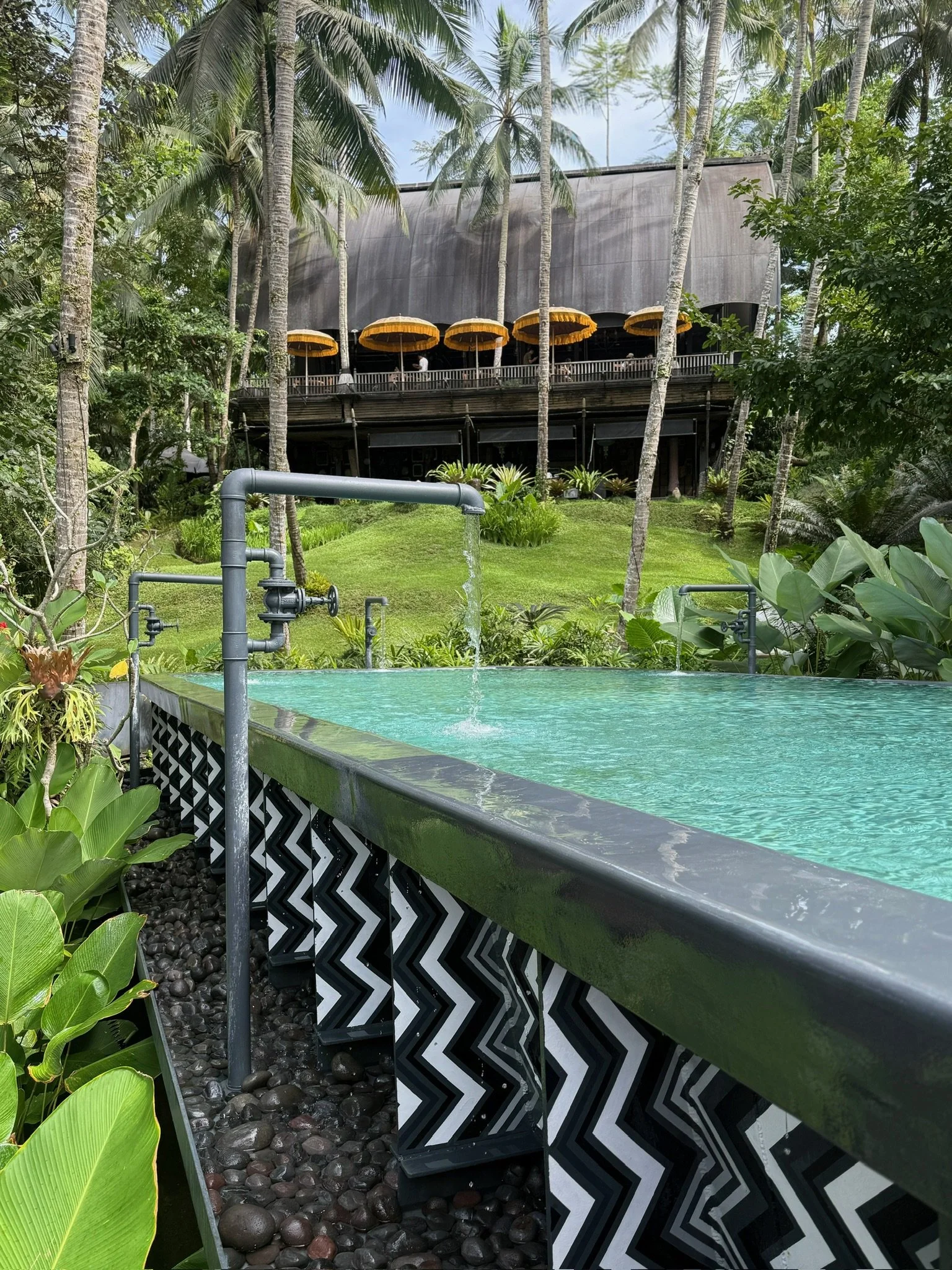
Staying on Ubud, Jenny Plungis’s next stop was Mandapa, a Ritz-Carlton Reserve. “The Ritz Mandapa is a robust resort with various room type options, a full spa, kids’ club, multiple dining options, pool with pool service, etc.,” she says. “The property is really stunning and somehow feels expansive and also not too big at the same time. It is simultaneously cliff side and also down at river level - one of the coolest things is that it sits along a main river and many of the rooms, f&b options and spa all sit along the river. The rooms are huge, even with ‘entry level’ being about 900 square feet. The villa rooms are like 4,000 square feet with indoor and outdoor space and have their own pool each – I will not even call them plunge pools as they’re larger than many peoples’ main pools.” The group made sure to hit the spa (a true full-service offering, with treatment rooms, steam sauna, relaxation room, and more.) “The treatment rooms sit over the river, and we had massages during a thunderstorm,” Jenny says. “The rain and thunder was so calming.”
Ever the adventurer, from Ubud, Camilla made a final solo trek to Java, a pilgrimage both to the temples of Borobudur, and to one of Aman’s most beloved hotels. “Amanjiwo delivers on the Aman vibe: remote, serene, and deeply connected to its surroundings,” she says. “It’s located in central Java near the UNESCO World Heritage Site of Borobudur, the setting is nothing short of dramatic. The hotel is designed as a circular temple-like structure that mirrors Borobudur itself, and it’s architecturally one of the most striking in their collection. There’s no television, and tech is minimal (by design). It’s about quiet, contemplation, and atmosphere.” Activities at Amanjiwo are thoughtful—sunrise at Borobudur, private temple blessings, batik workshops, and local village excursions are all curated with care. “This isn’t the place for travelers looking for buzz or breadth. There’s no kids’ club, no nightlife, no scene,” Camilla continues. “But for couples, solo travelers, or anyone seeking peace, culture, and natural beauty—it’s hard to beat. Amanjiwo is a destination unto itself, and while not for everyone, it’s unforgettable for those who lean into its quiet magic.”