Industry Insider: Legacy and Aloha with Kansas Henderson, Hotel Manager at Mauna Kea Beach Hotel
“In Hawai'i, aloha is a way of living grounded in kindness, humility, patience, and mutual respect. We are not simply here to experience the island's beauty, but to care for it, respect its people and culture, and leave it better than we found it.”
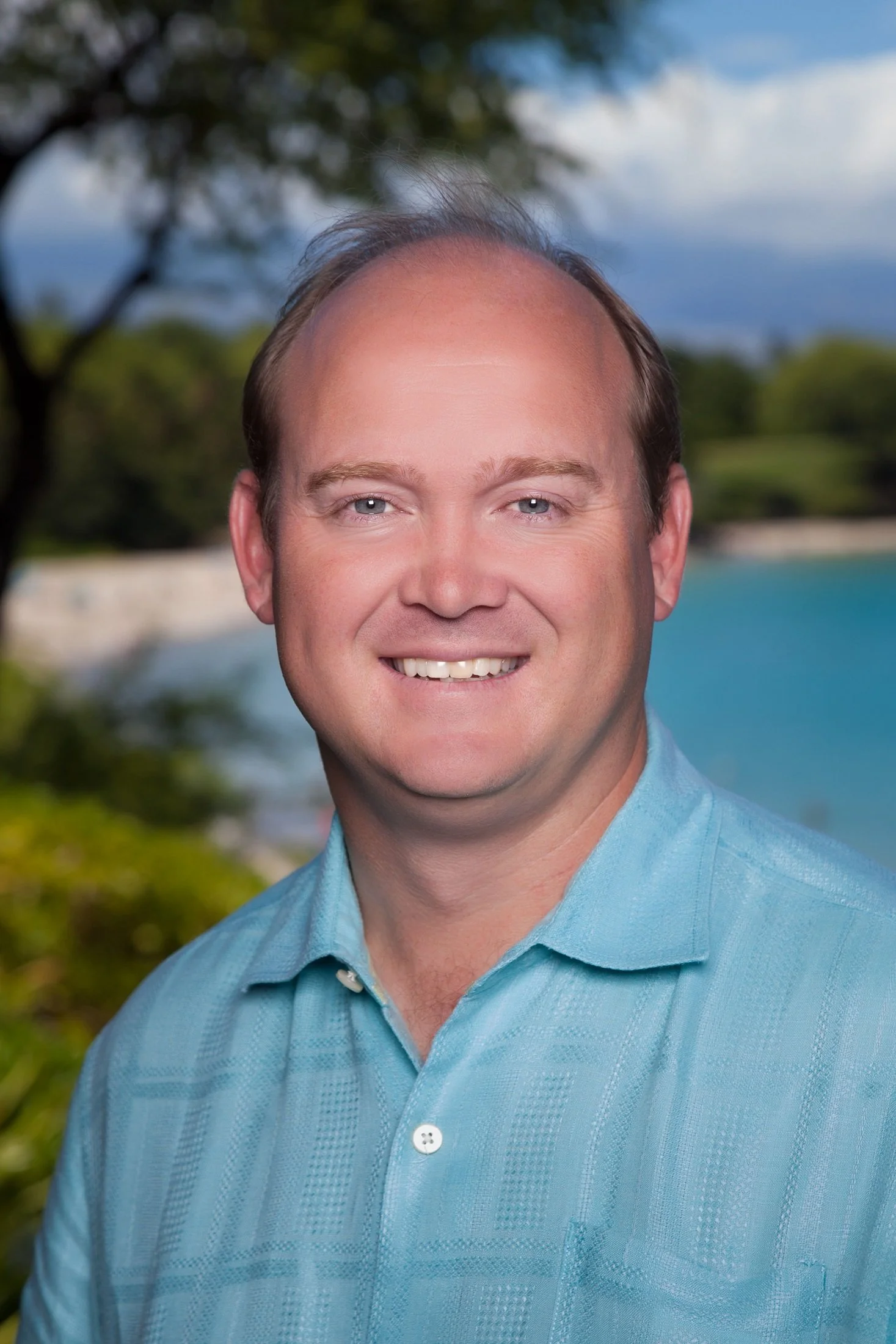
Kansas Henderson
Hotel Manager, Mauna Kea Beach Hotel
Kansas’s Big Island Recommendations
Kauna'oa Bay - The resort's crescent-shaped home beach, ideal for snorkeling, paddling, and swimming.
Ala Kahakai National Historic Trail - A coastal trail for exploring on foot just beyond the resort.
Lapakahi State Historical Park - A coastal walk through the remains of an ancient Hawaiian fishing village.
Pu'ukoholā Heiau National Historic Site - Massive stone temple built by Kamehameha I in 1790–91
North Kohala Scenic Drive (Hāwī and Kapa'au) -A drive through small towns and dramatic viewpoints in North Kohala.
Bamboo Restaurant & Gallery in Hawi - A combo of a good lunch spot and local artisans/souvenirs
The Fish and The Hog - Great lunch or dinner with a Paniolo-style barbecue menu paired with fresh local fish.
Big Island Brewhaus in Waimea - Known for its excellent local beers on tap, including Kansas’s personal favorite, the award-winning Overboard IPA.
Hilo Farmers Market in Hilo - A great opportunity to discover Hawai‘i’s agricultural abundance and distinctive locally grown fruits and vegetables
Sig Zane - The best aloha shirts!
Sugar Coast Candy - For your sweet tooth
Two Ladies Kitchen - Kansas loves their famous strawberry mochi
Tex Drive-In in Honokaa - Make sure to stop here for some freshly made malasadas
Waimea - A paniolo (Hawaiian cowboy) heritage town with local farmers markets.
Hilo -Home to rainforests, waterfalls, and a local food scene on the island's east side.
Hawai'i Volcanoes National Park - Essential for understanding the volcanic forces that shape the island.
Of the six main Hawaiian islands, Hawai'i Island (the Big Island) is the youngest, the largest, and, geologically, the most active. It's also the island that holds the most surprises. Yes, there are palm trees and epic, technicolor sunsets, but there are also volcanoes, snow on a tropical mountain, working cattle ranches, and miles of dramatic ancient black lava fields.
Mauna Kea Beach Hotel's connection to Hawai'i Island begins generations back, with the vision of Laurance Rockefeller, who recognized something extraordinary in Kauna'oa Bay’s natural beauty. He imagined a resort designed to exist in harmony with the crescent beach, and more than 60 years later, that vision has guided a nearly $240 million transformation of the property, restored the celebrated Rockefeller Art Collection, added two gardens of fresh produce and native Hawaiian flora, and deepened the resort's investment in its wellness ecosystem. We spoke with Hotel Manager Kansas Henderson about coming “home” to the Big Island, the community that has grown up around Mauna Kea over four generations, and about how to explore this land of geological treasures.
Where the Heart Is
Growing up in the Bay Area, Mauna Kea was a popular vacation destination for friends and came to occupy a nearly mythic position at the top of Henderson’s travel bucket list. After college and a decade in hospitality on the mainland, he moved with his young family to the Island of Hawai’i more than ten years ago, and it wasn’t long before he joined the team at Mauna Kea, which felt like a homecoming - just to somewhere he hadn’t lived yet. "During the interview process at Mauna Kea, I was sold on the opportunity to both preserve and improve the Grand Dame of the Kohala Coast for future generations," he says, "and I have enjoyed every moment of that process over the last eleven years."
He’s not alone in that feeling of attachment. Over the past 60 years, four generations of staff families and guests who first fell in love with the resort in the 1960s and 70s have grown up alongside one another. "This is a resort where guests arrive with gifts for beloved associates, and where those associates are invited to share moments with the guests, from dinners and birthdays to weddings and anniversaries," Henderson says. He knows team members who have served as groomsmen, maids of honor, and even wedding officiants for guests who have become family. “In my career, I have never witnessed a resort community quite like this one.”
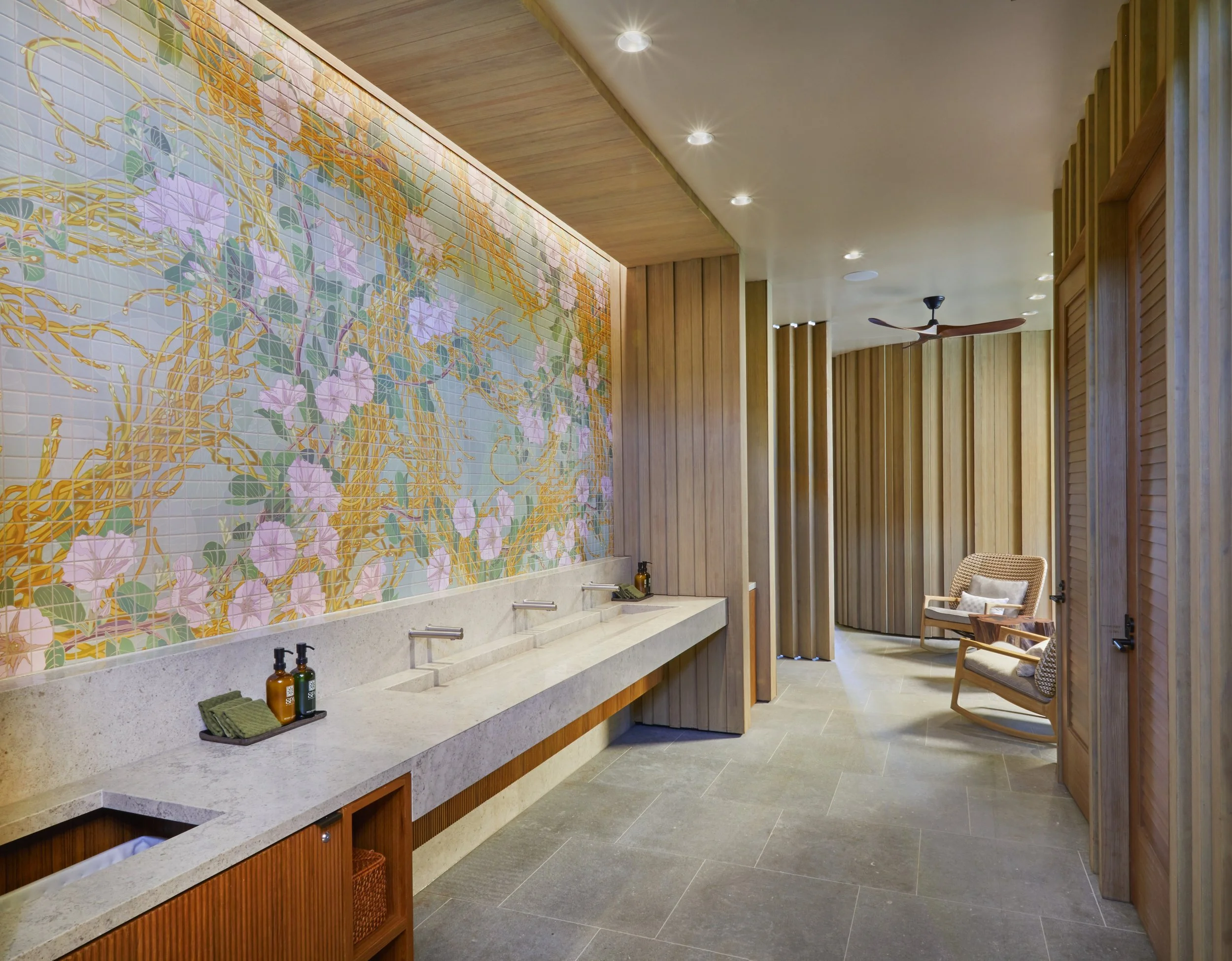
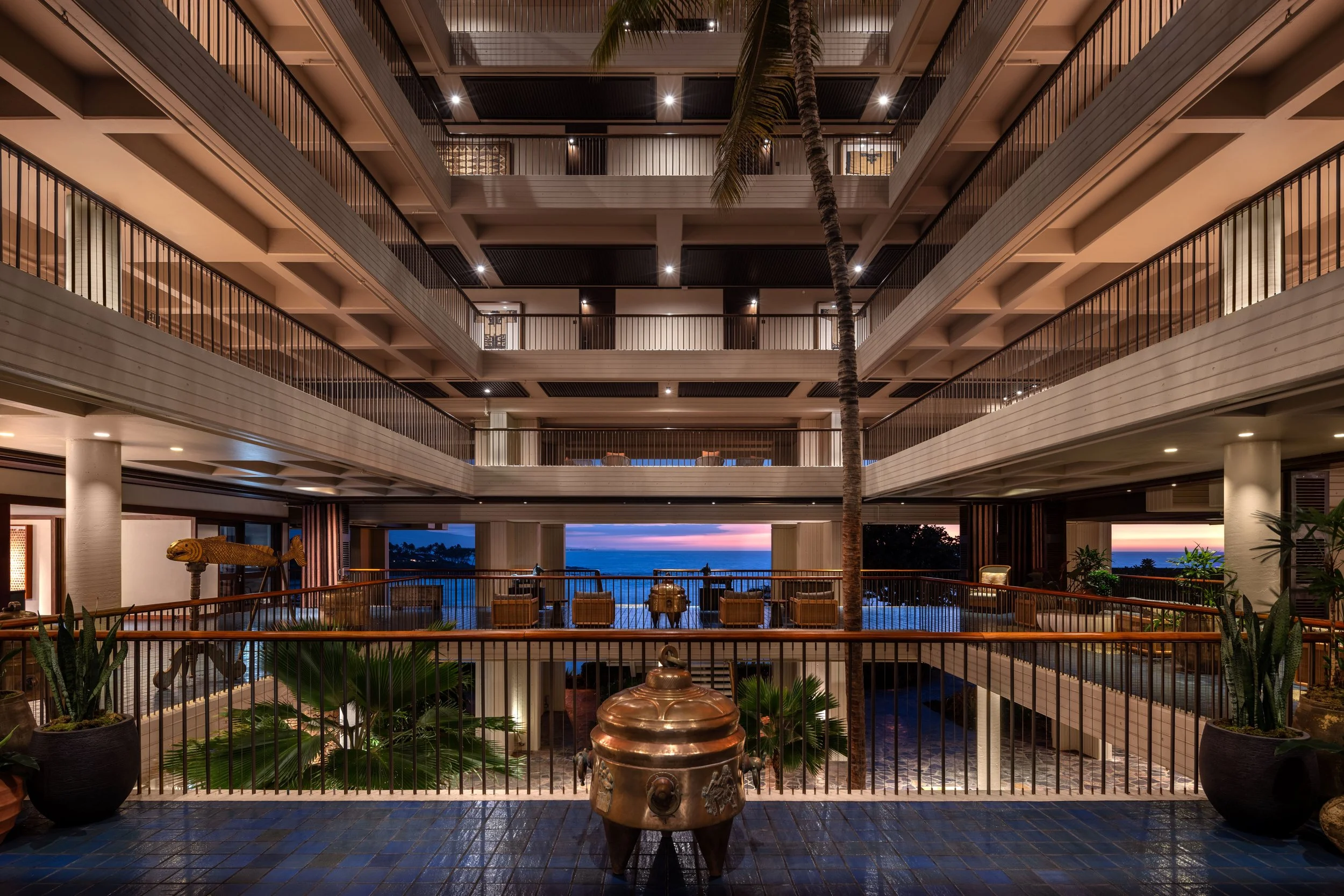
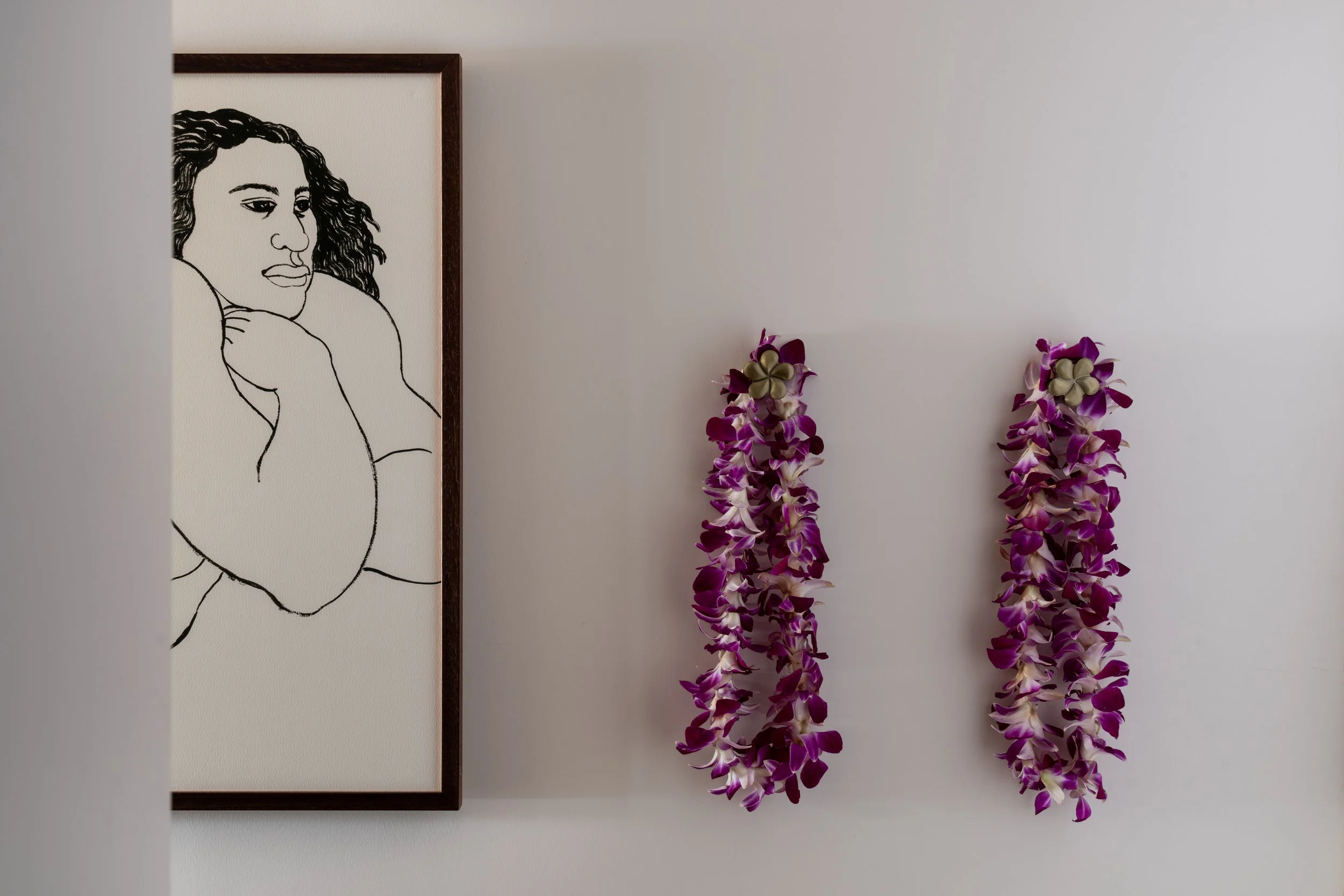
This sense of community is ingrained in island life: “One common misconception is that ‘Aloha’ is simply the warm welcome greeting visitors receive when they arrive," Henderson explains. "In Hawai'i, aloha is a way of living grounded in kindness, humility, patience, and mutual respect. We hope visitors understand that they are not simply here to experience the island's beauty, but to care for it, respect its people and culture, and leave it better than they found it." The spirit is also reflected in the resort’s art, a collection that spans 800 years, from Southeast Asian and Pacific Rim sculptures and antiques to native Hawaiian kapa, carvings, and quilts, restored over a multi-year effort by specialist conservators (one Japanese tansu chest, for instance, had its ironwork preserved on a handmade electrolysis rig, with replacement parts sourced from its original Japanese hometown). The rarest pieces, fourteen kapa works by Malia "Auntie Malia" Blanchard Solomon and 30 Hawaiian quilts by Meali'i Kalama, were personally commissioned by Laurance Rockefeller. Each took over 1,000 hours and 2 million stitches; together they form the state's largest standing quilt exhibit, now displayed on the hotel's seventh floor.
An Ideal Day, Two Ways
Henderson knows that each island in Hawaii has its die-hard fans, but for him, there’s nothing that compares to the Big Island. “Hawai‘i Island is defined by its extraordinary scale, diversity, and sense of discovery. In a single day, visitors can experience volcanic landscapes, rainforests, ranch country, black-sand beaches and the snowcapped summit of Mauna Kea. There is a spaciousness and raw natural beauty here that encourages travelers to slow down,” he says.
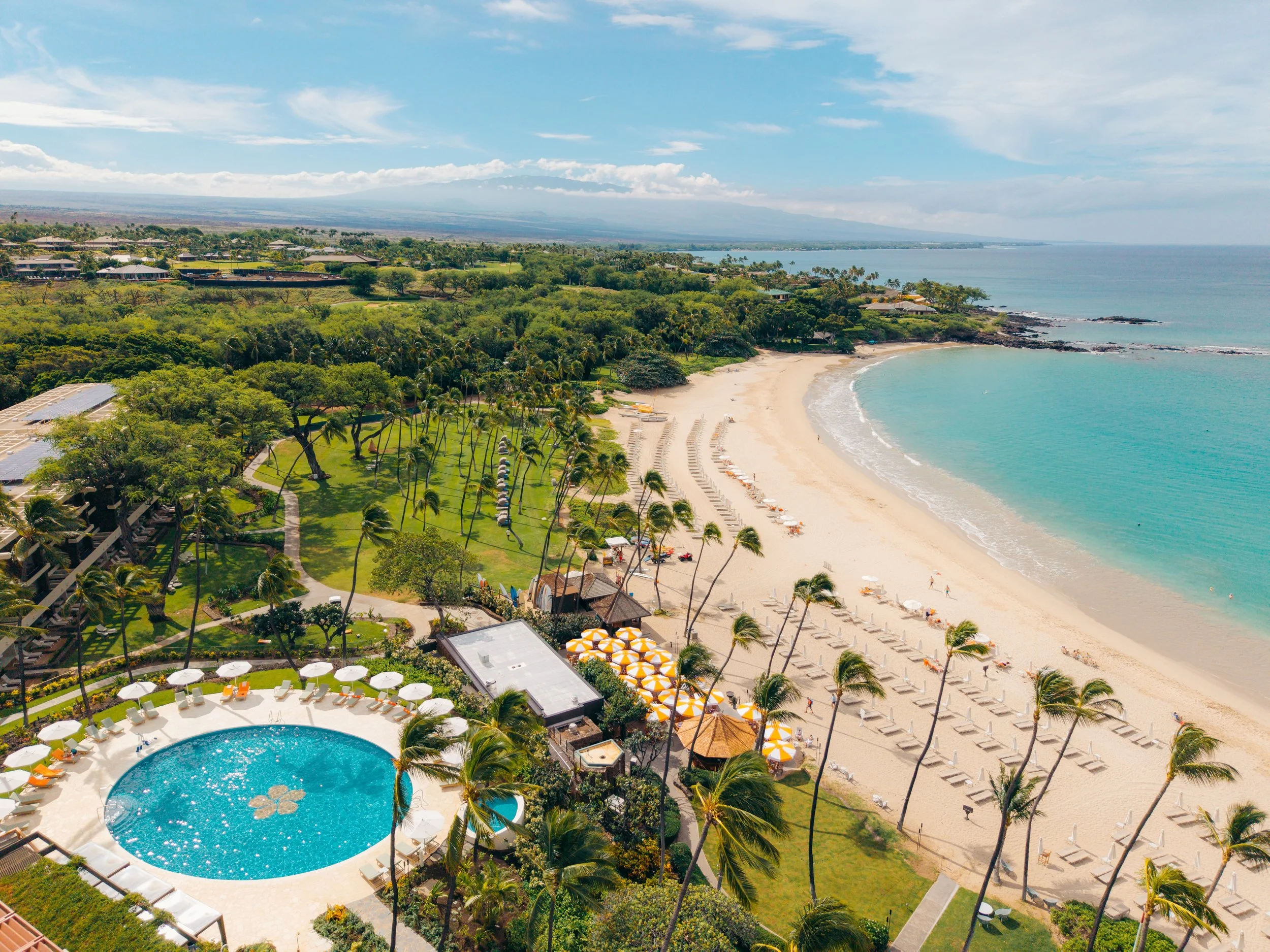
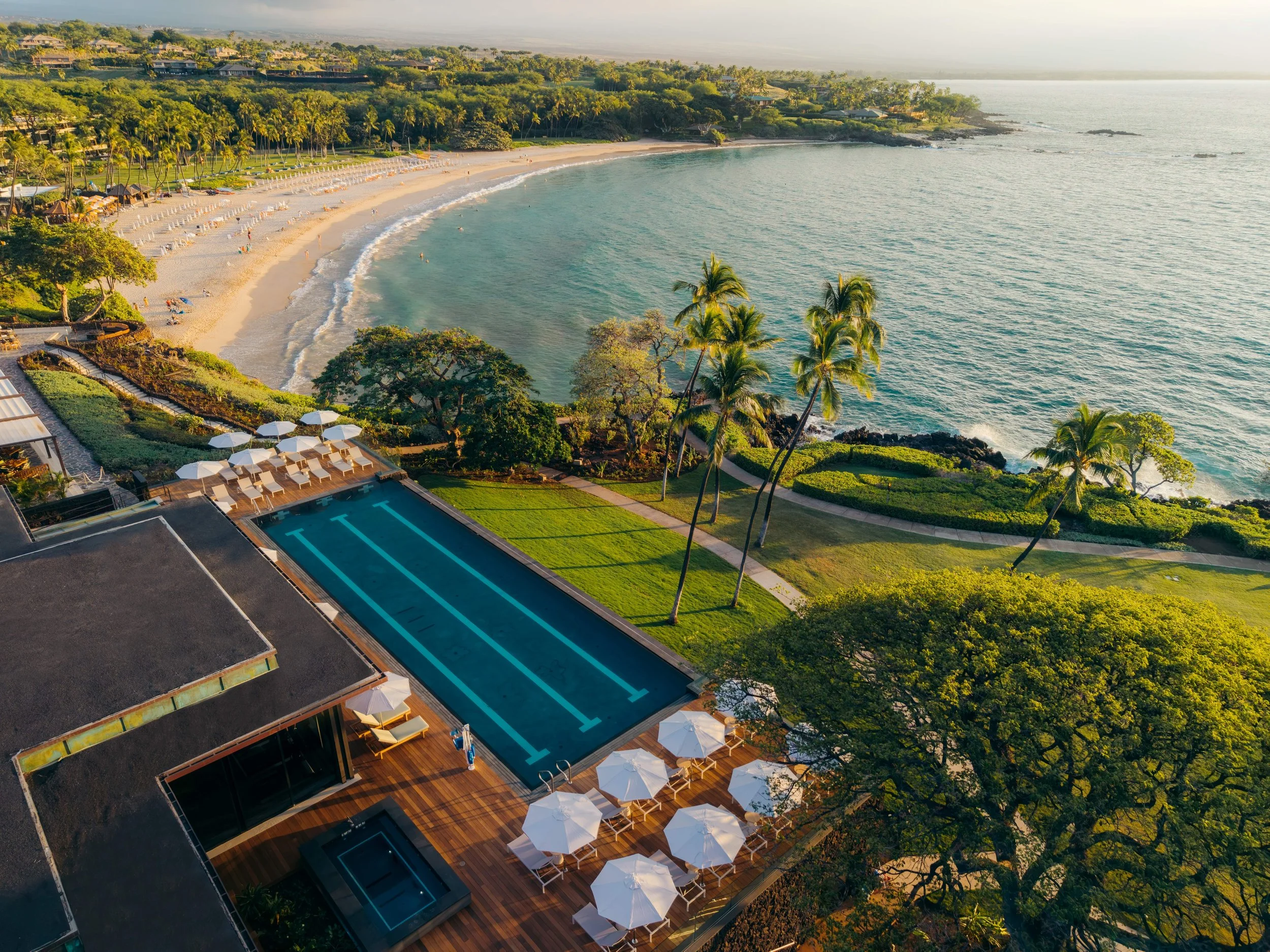
The resort itself spans more than 1,800 acres and is built around Kauna'oa Bay, a swimming and snorkeling beach in front of the property, and the Ala Kahakai National Historic Trail, which runs along the coast. Mauna Kea Golf Course, redesigned as part of the recent renovation, is the only course shaped by Robert Trent Jones Sr. and both of his sons, Rees Jones and Robert Trent Jones Jr., and its dramatic third hole is set entirely over the ocean.
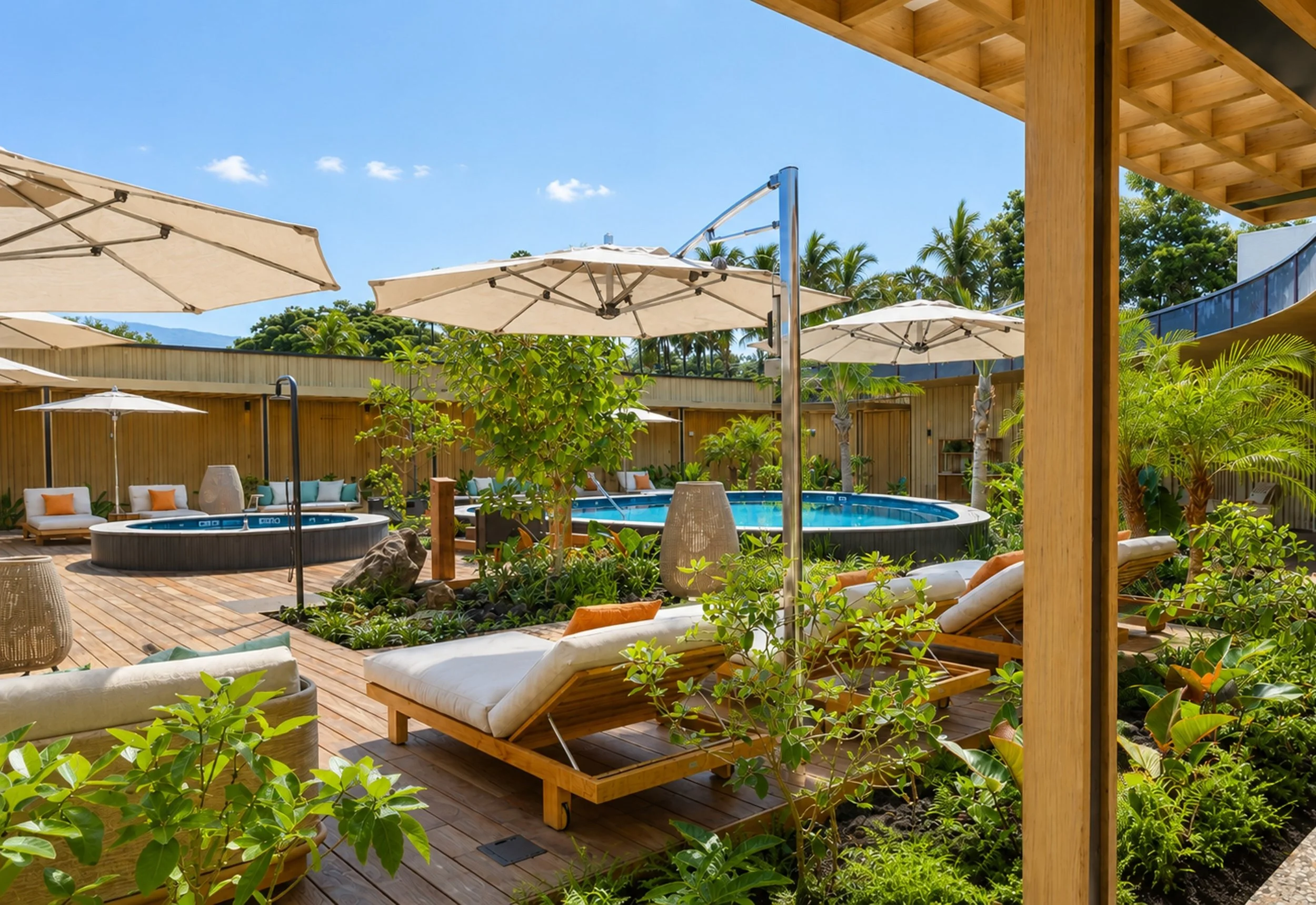
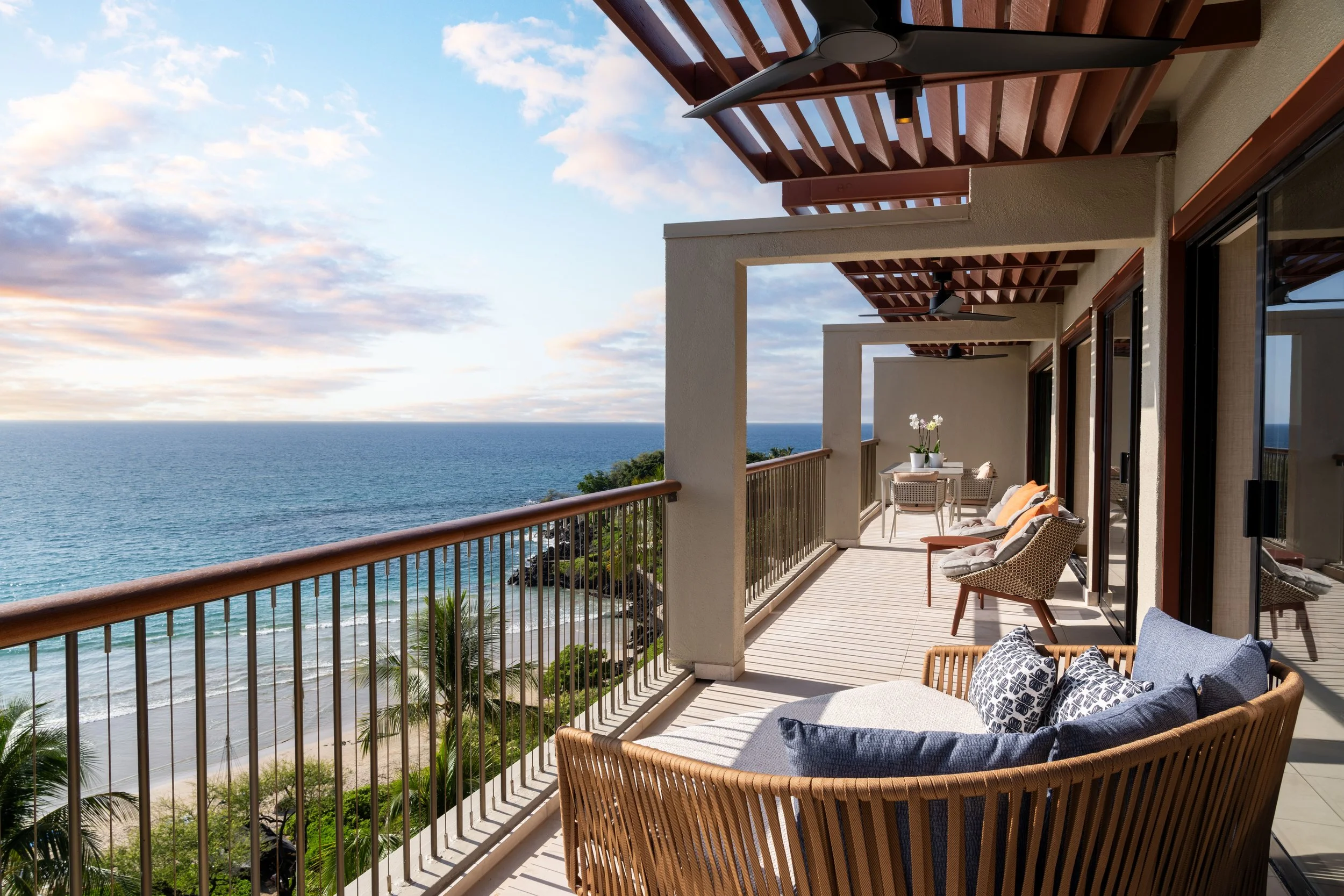
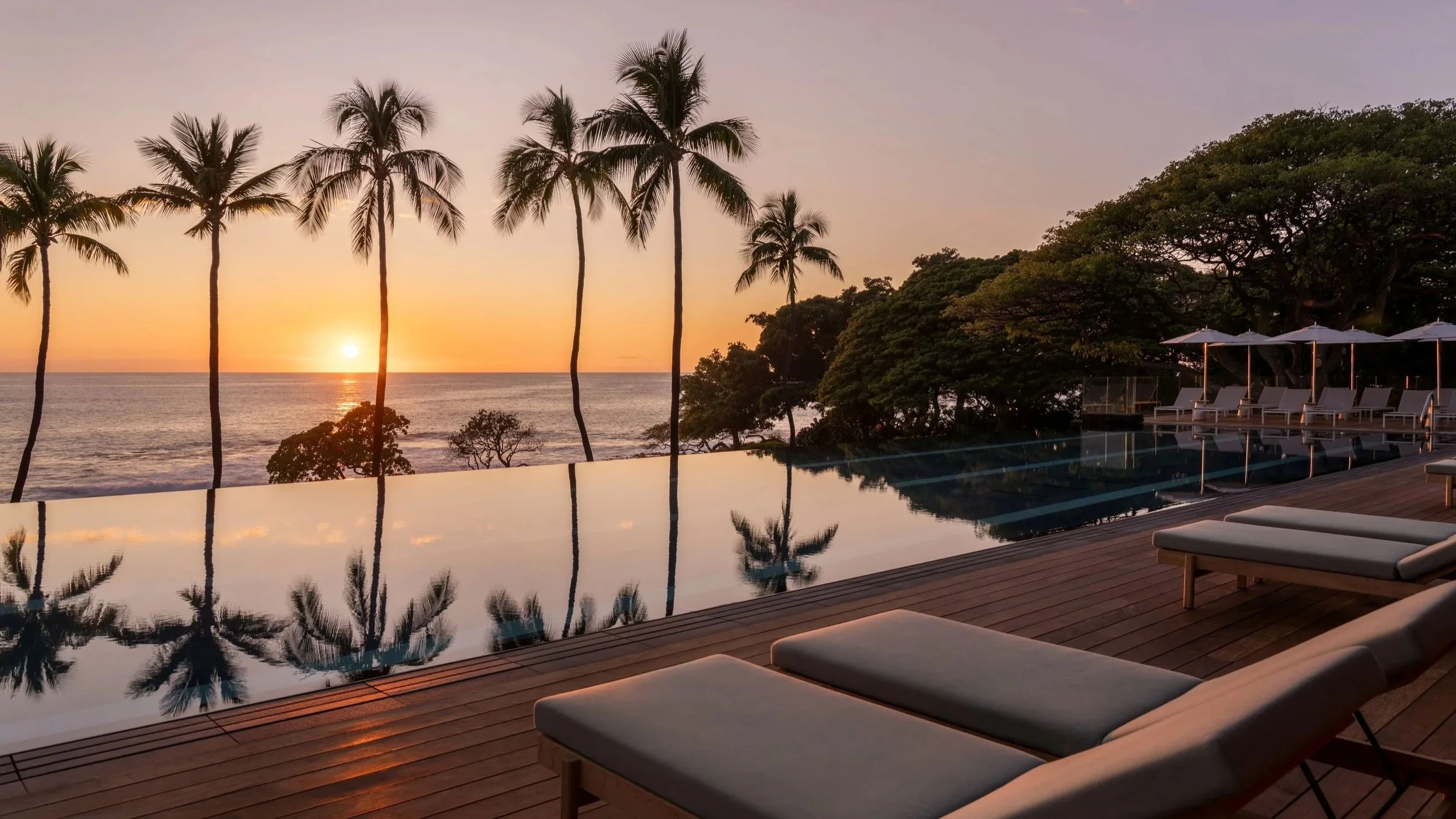
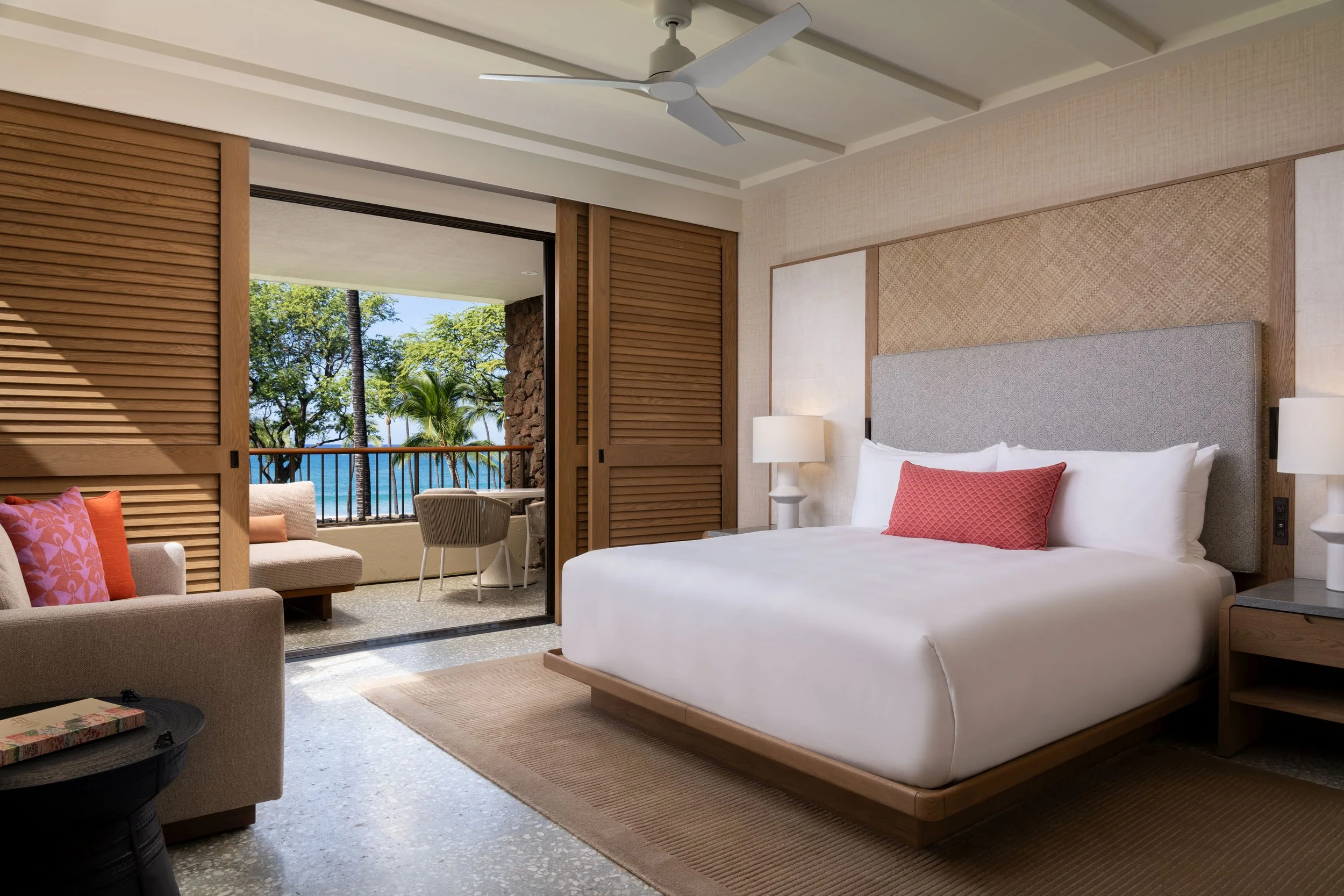
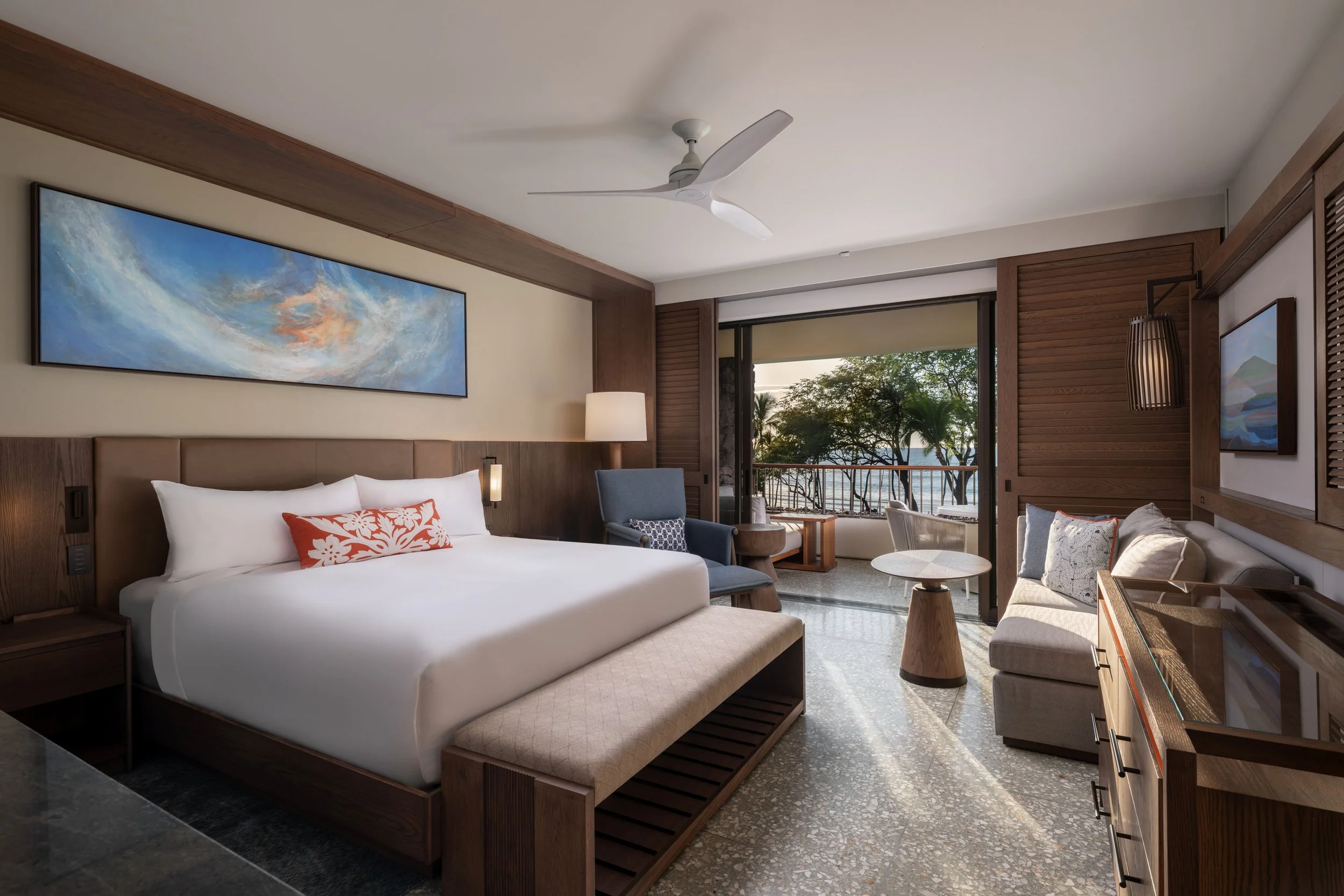
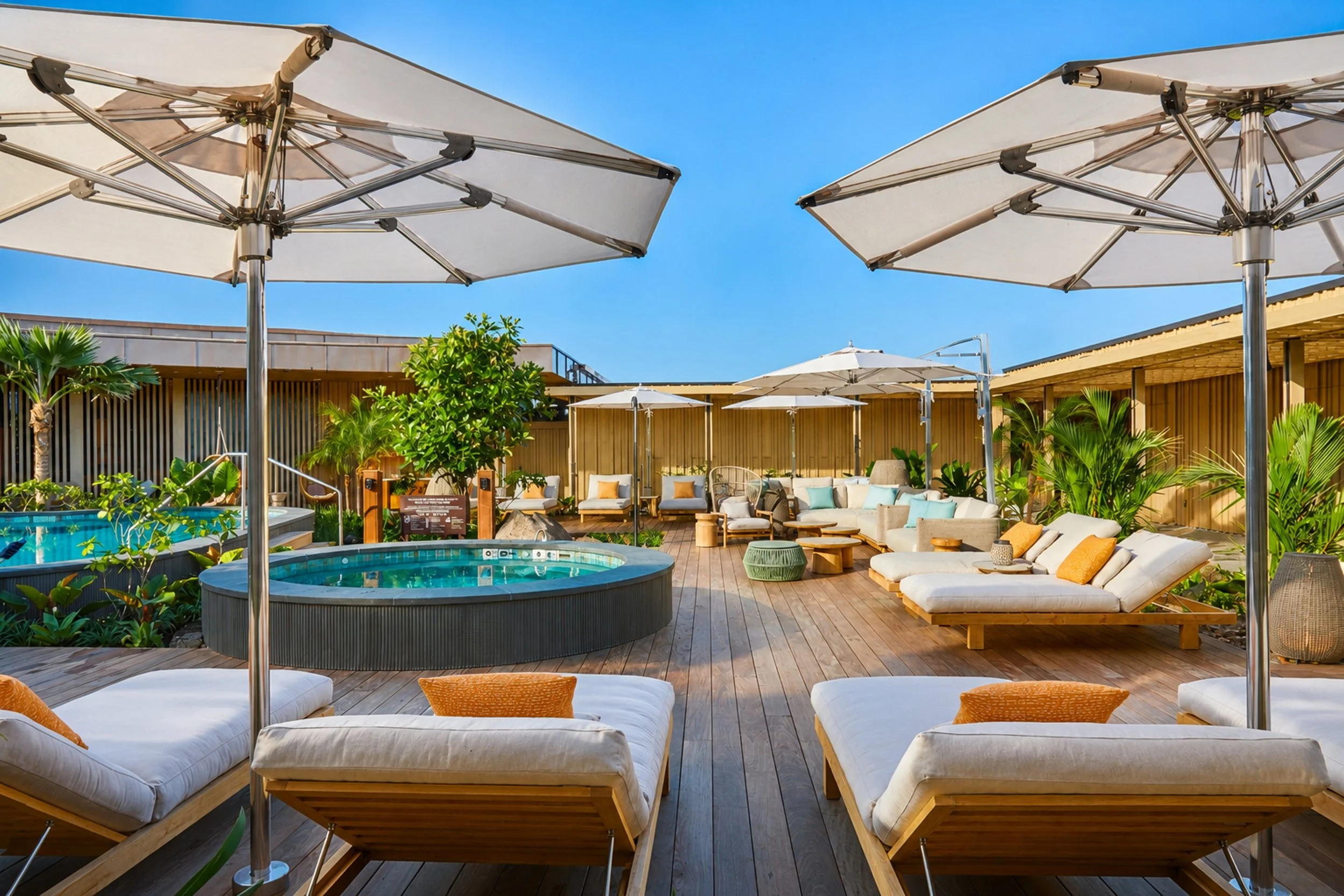
This sprawling footprint and diversity mean there’s a perfect visit for every type of traveler. For a couple, Henderson suggests starting with room service, enjoyed on an ocean-view lanai, followed by a late morning unwinding at the Spa at Mauna Kea, one of the shiny new features debuted following the renovation: it’s 22,000 square feet and includes 11 open-air treatment rooms and separate steam, sauna, and cold plunge facilities for men and women, and a 2,500-square-foot fitness center. Also new? The adults-only oceanfront infinity pool, which is the perfect place to while away the afternoon before a sunset dinner at Manta. "Watching these magnificent rays glide through the illuminated water as they feed on plankton is mesmerizing, no matter how many times you have seen it," he says of the resident rays. On more adventurous nights, he'll take a guided nighttime swim alongside them, right in the waters fronting the resort. End the evening with a nightcap beside the firepit or in the new Rockefeller Room speakeasy.
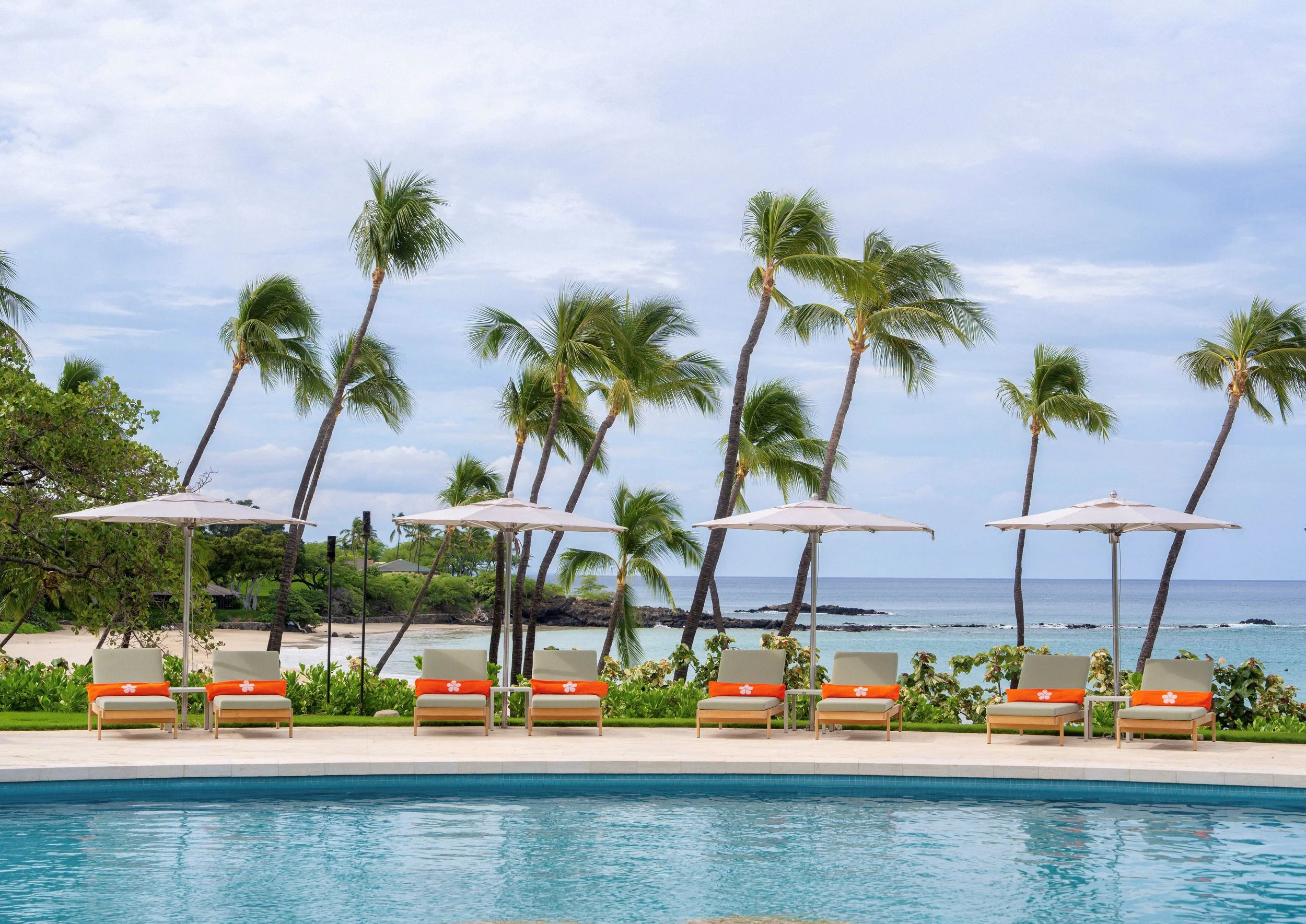
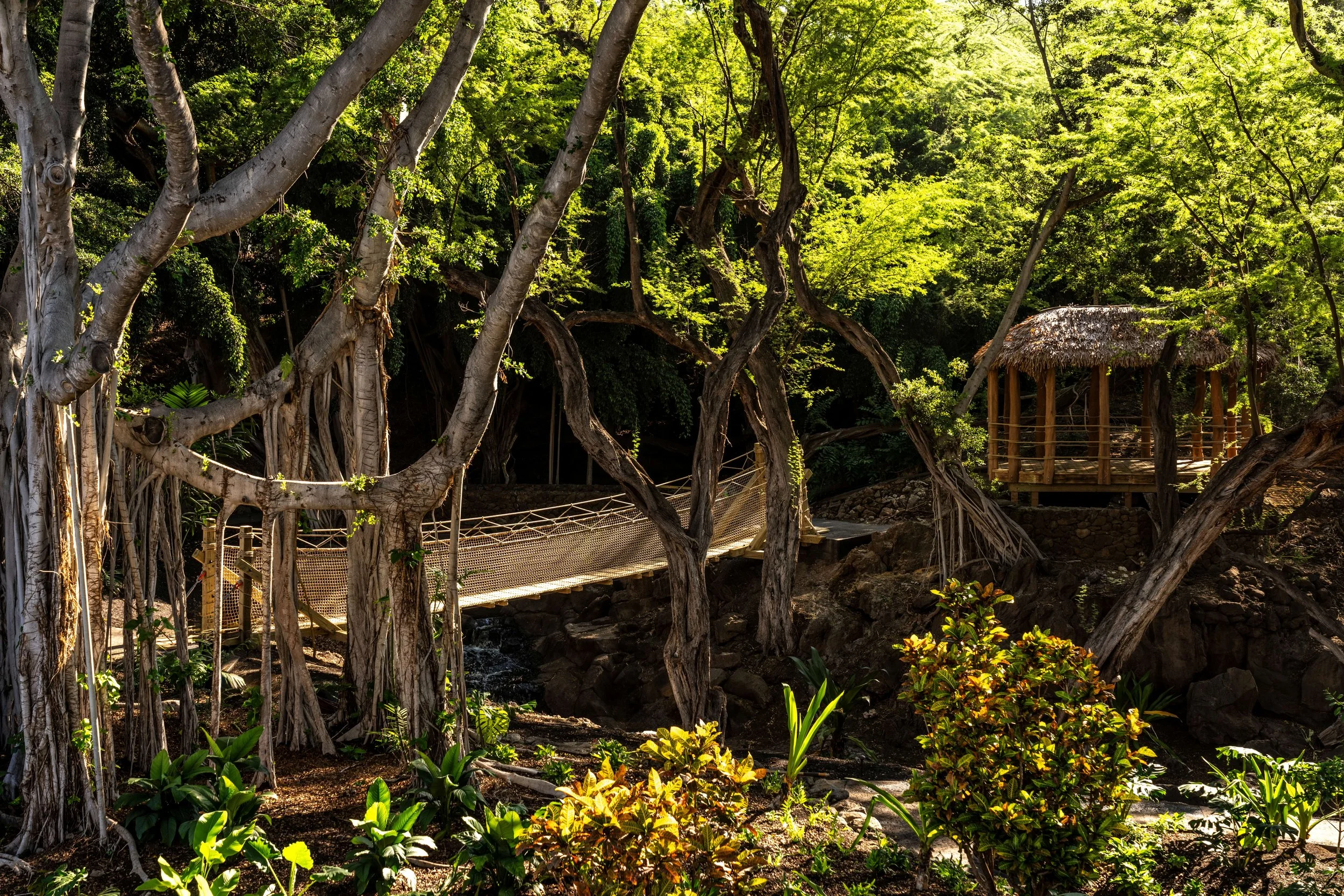
For a family, the day starts with Manta’s breakfast before heading to Kauna'oa Bay to spend the morning snorkeling, paddling, or swimming. After lunch, which he votes should include Fredrico cocktails for the adults and Ovaltine froths for the kids, Henderson suggests exploring the Discovery Garden, which has a swinging bridge, a traditional Hawaiian hale, and a stream, before cooling off at the family pool or playing a game of tennis or pickleball. The day closes with dinner at the beachfront Hau Tree Cantina or the Copper Bar, where nightly live music and hula performances round out the evening. The resort's Tuesday and Friday lūʻaus, running for more than 40 years, include kālua pig roasted in the underground imu and a fire knife performance.
The Island’s Bounty
With a few days on the Big Island, Henderson encourages guests to head off property to explore. He sends visiting friends north along the Kohala Coast to Lapakahi State Historical Park for a coastal walk through the remains of an ancient Hawaiian fishing village, and Pu'ukoholā Heiau National Historic Site, a massive stone temple built by Kamehameha I in 1790–91, sits above the coastline nearby. The drive through North Kohala to Hāwī and Kapa'au climbs through changing terrain and former sugar plantation land, with changing scenery, small towns, and dramatic viewpoints along the way.
Further afield, he recommends Waimea for its paniolo (Hawaiian cowboy) heritage. It’s home to Parker Ranch, one of the oldest and largest ranches in the U.S., and a Saturday farmers market that draws from the island's upcountry farms. On the opposite side of the island, Hilo gets far more rain than the Kohala Coast and looks it, with rainforest, waterfalls, and a wet, green landscape entirely different from the resort's coastline. And Hawai'i Volcanoes National Park is where you’ll find Kīlauea, one of the world's most active volcanoes, offering the clearest way to see the geological forces still actively building the island. "Whenever possible, I recommend exploring with a local guide, supporting family-owned businesses, and approaching each place with curiosity and respect," he says. "That's when visitors begin to connect with Hawai'i Island beyond its scenery."
Food-wise, Henderson is a big poke fan. Markets and small counters across the island serve fish that’s been pulled from the ocean hours before it’s cut into cubes and seasoned simply with sea salt, seaweed, and crushed kukui nut. "At some spots, you can watch fishermen bring in the day's catch minutes before it’s served," he says. “There’s an incredible selection of fresh fish, seasonings, and toppings, and you can sample a dozen varieties before choosing a favorite."
The immediacy of this connection to the environment is a perfect analogy for life on the Big Island generally. “Beyond the postcard image, living in Hawai‘i is deeply rooted in family and community,” Henderson says. “Our days may unfold against an extraordinary backdrop, but life here is shaped by the same responsibilities as anywhere else, including work and raising families. What feels distinct is the closeness of our communities and our connection to the land and ocean.” And the traveler who gets the most out of a stay at Mauna Kea, he says, is one who values a genuine sense of place as much as luxury. "They are curious, thoughtful, and drawn to experiences that connect them with the land, culture, and people of Hawai'i," he says. "Whether they come as a couple or with several generations of family, they appreciate the freedom to be active, slow down, or simply spend meaningful time together. This is a place to form a lasting connection and return to time and again."