The Art of Location: Our Favorite Hotels for Museum Lovers
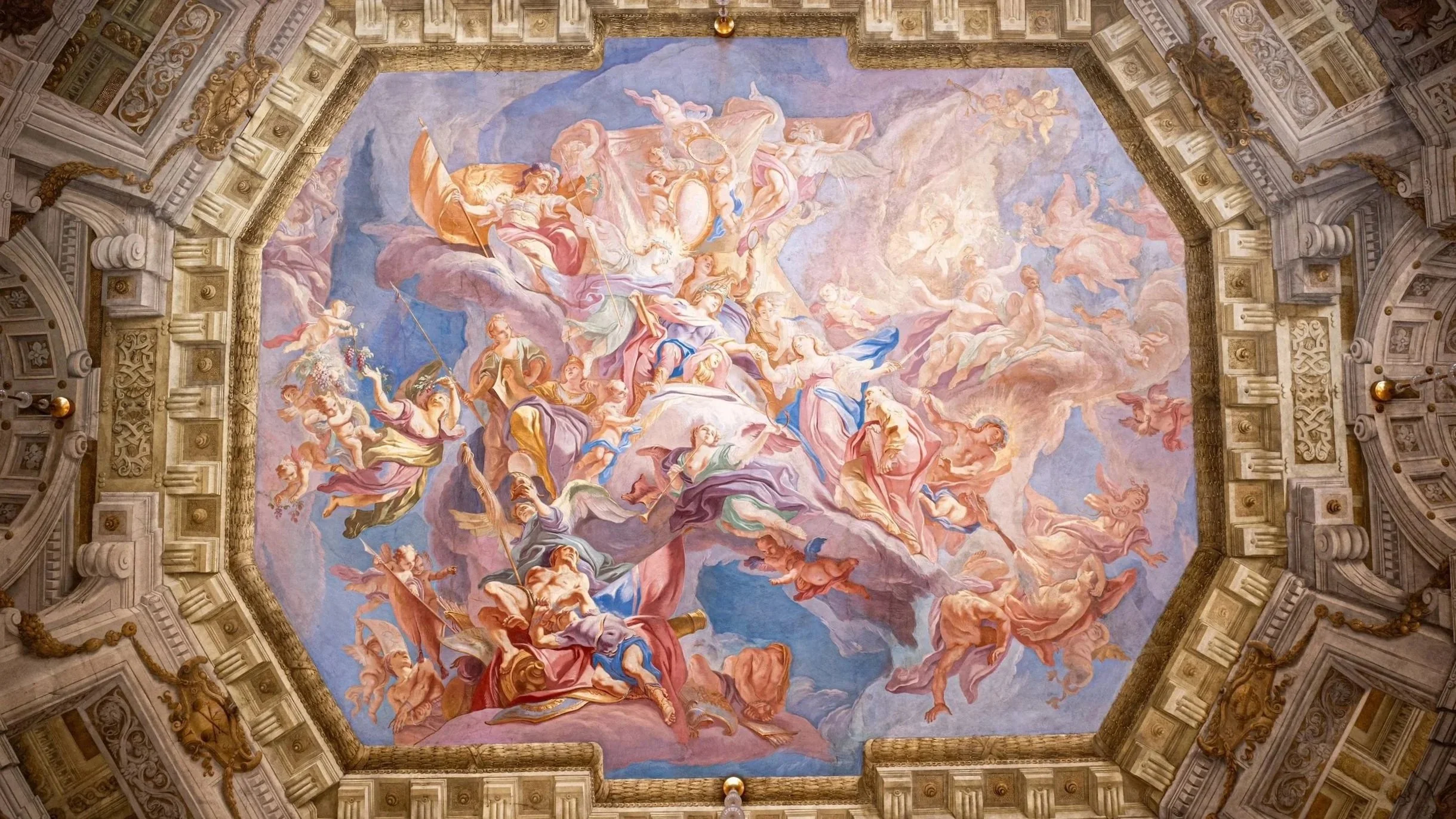
Belvedere Palace Museum | Photo by Sarah Shahine
The origins of painting trace back as far as 50,000 years, but it wasn't until relatively recently (with the advent of commercial air travel) that seeing these masterpieces in person became accessible to the wider world. Whether with ancient Roman sculptures or dramatic Baroque architecture, museums across the globe beckon travelers eager to stand before history's most celebrated works of art. The only challenge left is finding the right place to stay - preferably close enough that not a minute is wasted in transit. Read on for a list of the world's most impressive museums, each paired with a hotel within walking distance.
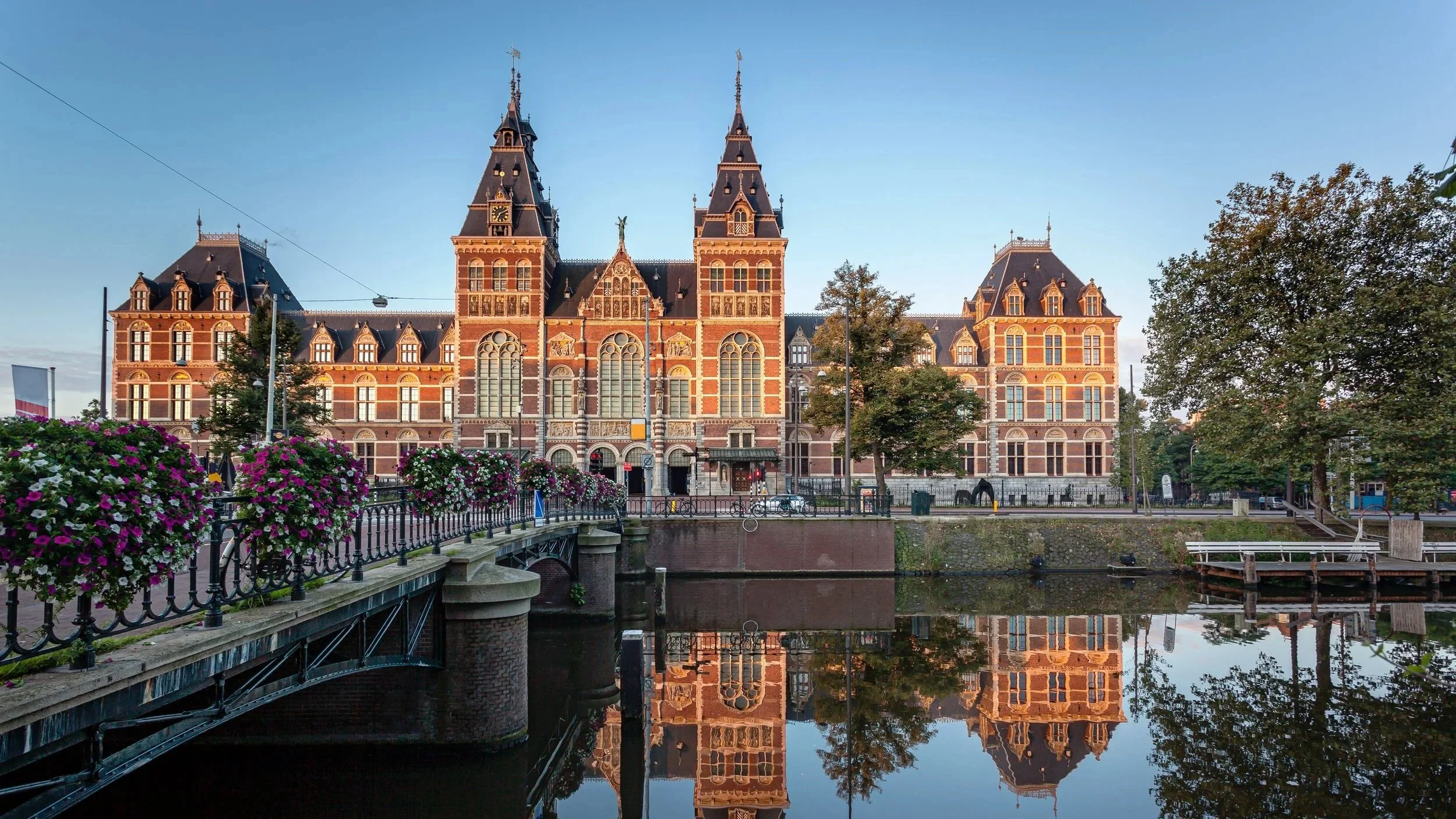
Amsterdam, The Netherlands
MARQUEE MUSEUMS
Rijksmuseum
The Van Gogh Museum
Anne Frank House
Few cities make an impression quite like Amsterdam: with bursts of tulips in every color, a labyrinth of canals threading through ancient cobblestone streets, and the omnipresent dinging of bicycle bells, the set of symbols that represent the city are on full display. And just as iconically Amsterdamish as stroopwafels and windmills are the city’s two major art museums: the Rijksmuseum or the Van Gogh Museum. The Rijksmuseum - really less of a museum and more of a national art palace - holds over a million pieces of Dutch art and historical artifacts, with at least 8,000 on exhibit at any given time across more than 320,000 square feet of display space. If that feels overwhelming, start with the essentials: Rembrandt's The Night Watch and Johannes Vermeer's The Milkmaid are the undisputed cornerstones of the collection, and the museum is also known for staging landmark retrospectives of the country’s marquee artists. A five-minute walk away, another of the most famous Dutch sons doesn’t have to share gallery space with anybody. The Van Gogh Museum may be smaller than the Rijks, but its treasure trove is no less sparkling. It houses the largest collection of Van Gogh's work anywhere in the world, arranged in chronological order, tracing his evolution from brooding, dark-toned early work to the luminous sunflowers and 35 self-portraits that defined his later years. True museum lovers will want to allot a day for the Rijksmuseum and at least half a day for the Van Gogh, and book tickets well ahead of time.
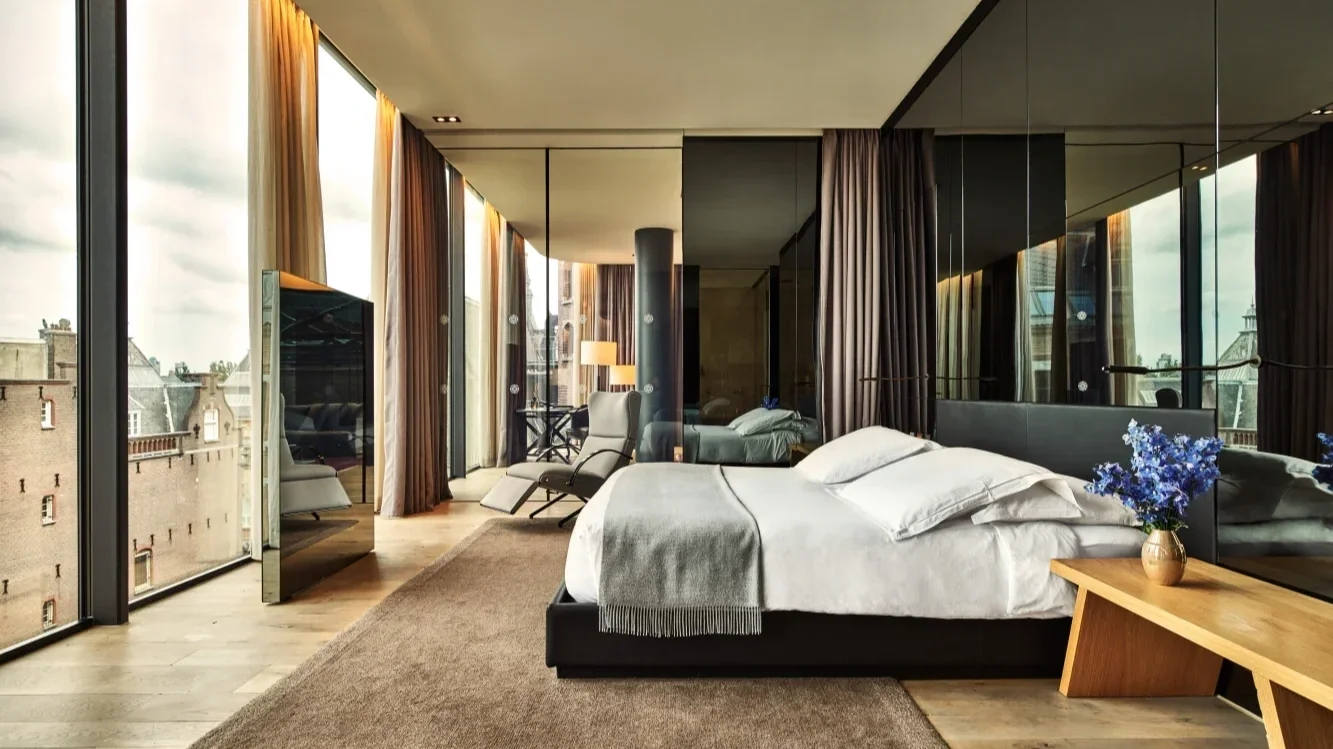
Where to Stay: Mandarin Oriental Conservatorium Hotel
Perfectly positioned within view of both museums, the Mandarin Oriental Conservatorium Hotel is housed in a former music conservatory at the heart of the city's museum district. The property strikes a balance of destination and brand: hip and lively, in keeping with the city around it, but with the polished service and accommodations Mandarin Oriental is known for. Rooms and suites are sleek and contemporary, and - thanks to the original architecture - many are duplexes with soaring double-height windows that flood the space with light. Guests also have access to an upscale fitness center offering yoga and Pilates, and the on-site restaurant, Tunes, has earned a warm following among locals (always a good sign). For travelers looking to step away from the bustle of tourist crowds, the hotel sits just a short stroll from the sweeping green paths of Vondelpark, and some of the city's best luxury shopping is only a block away.
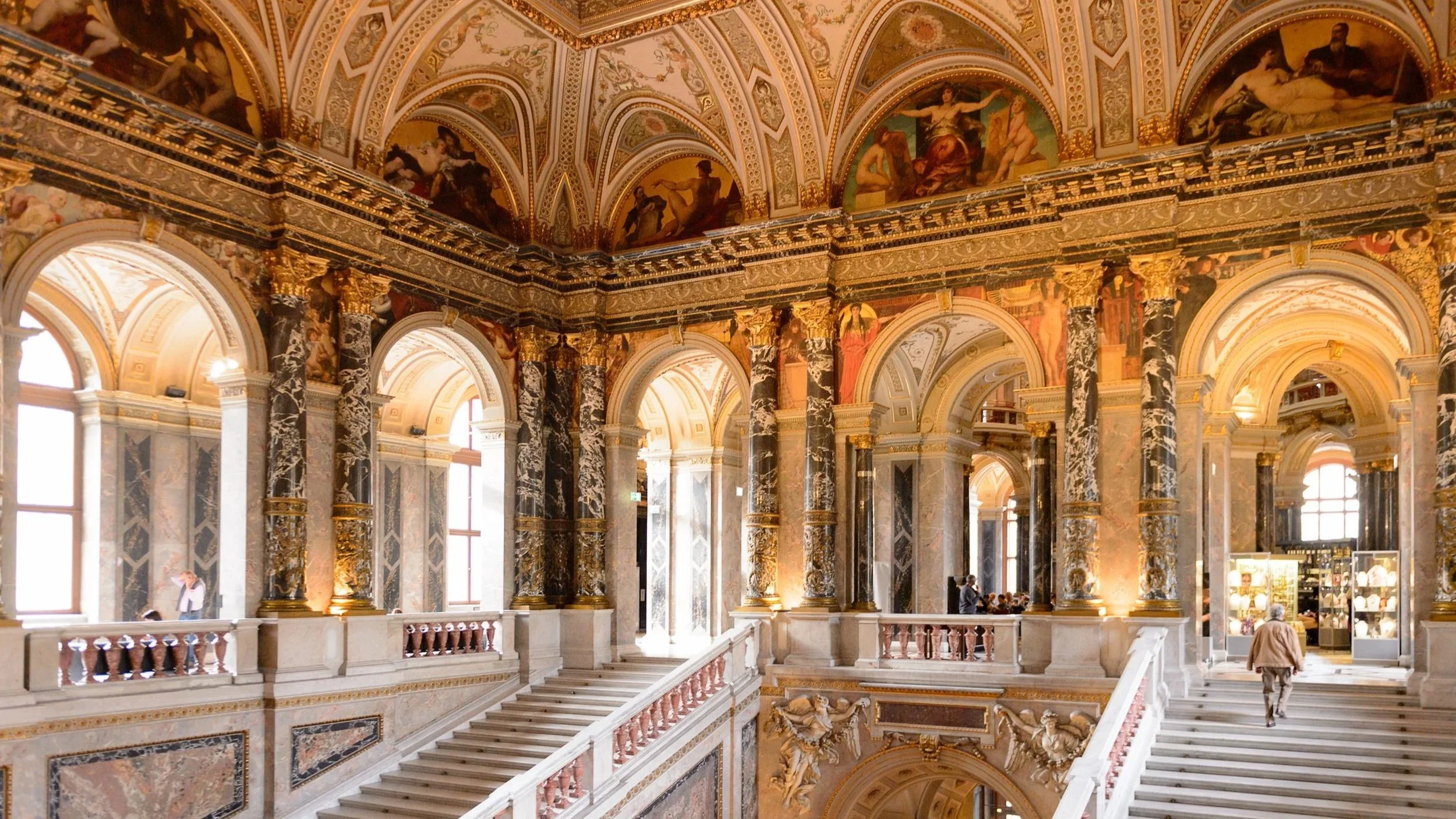
Vienna, Austria
MARQUEE MUSEUMS
Albertina
Kunsthistorisches Museum
Leopold Museum
Belvedere Palace
Strains of classical music drift from the State Opera House, luring listeners through the storied doors, but true culture connoisseurs don’t miss the Vienna’s visual arts either. The city itself is a aesthete’s dream, with its sherbet-colored palaces and wide avenues, and the museums are definitely up to par. Housed within a former Baroque palace whose very walls seem to hum with history, the Albertina is home to a world-renowned collection of drawings and old-master prints. On the ground floor, drawings by Leonardo da Vinci and Michelangelo reward the patient eye before the collection ascends - quite literally - into the modern era, where Monet, Renoir, Van Gogh, and Picasso await. For those drawn to the imperial past, twenty-one meticulously preserved Habsburg rooms offer a lingering glimpse into a bygone age of monarchy. From there, wander through the Burggarten toward the Kunsthistorisches Museum, a temple to Old World mastery. Here, Bruegel's masterworks share space with Diego Velázquez's luminous Infanta Margarita Teresa and Giuseppe Arcimboldo's whimsically composed Four Seasons, each canvas a study in technical audacity. Even more fabulous than the museum’s paintings, though, is its Kunstkammer, or “cabinet of wonders,” a collection of fascinating objects, from tankards to clocks to one very famous salt cellar, that boggle the mind with their intricacy. Continuing west, no pilgrimage through Vienna's art scene is complete without the Leopold Museum, custodian of the world's largest collection of Egon Schiele's hypnotic work, alongside a formidable trove of Gustav Klimt, including the haunting Death and Life. (And for Klimt's true masterpieces, venture roughly ten minutes beyond the city center to the resplendent Belvedere Palace, where gold leaf and longing collide in the iconic The Kiss and the smoldering Judith, two works that alone justify the detour, and perhaps the entire trip.)
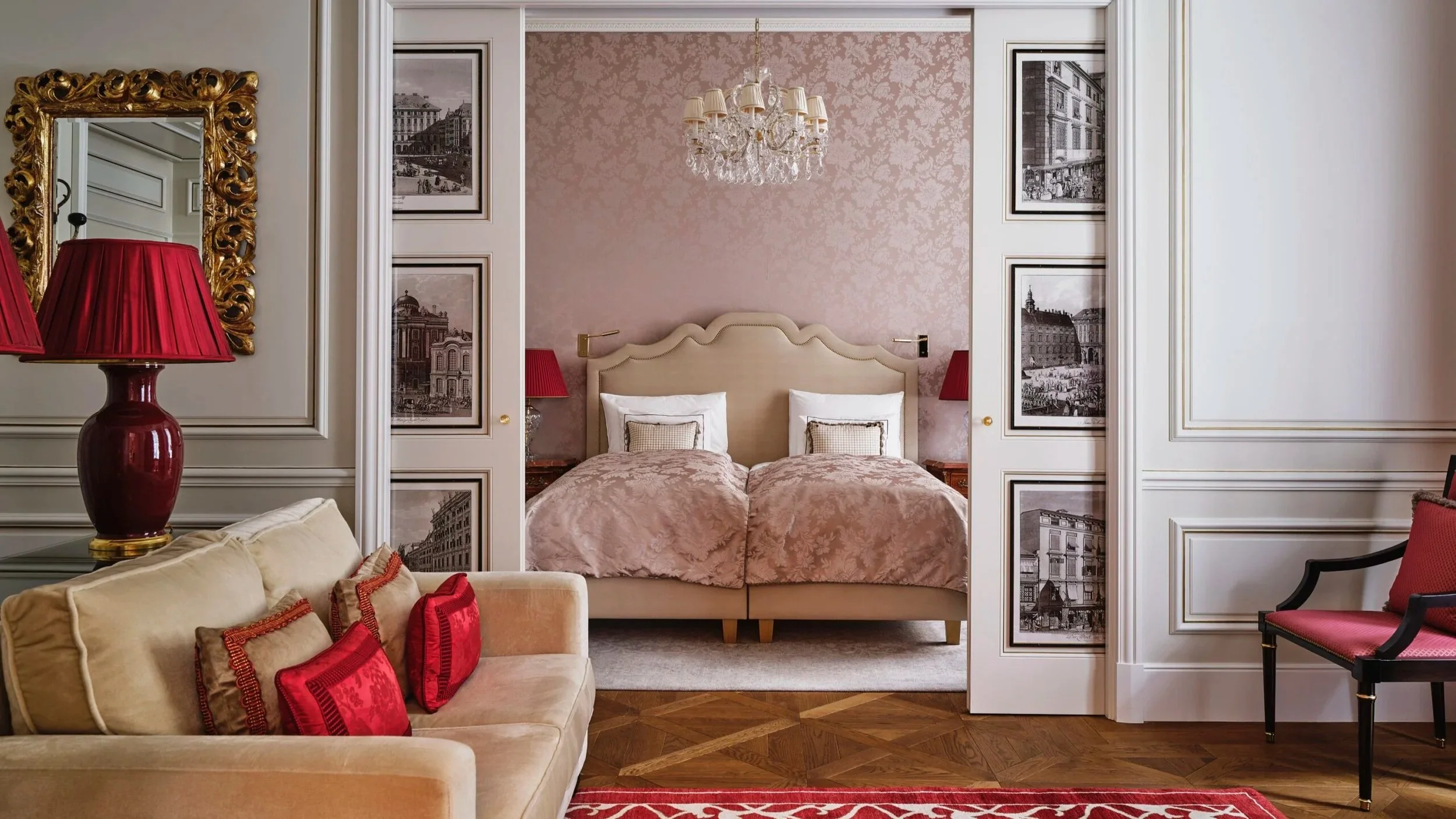
Where to Stay: Hotel Sacher
Vienna's grande dame, Hotel Sacher is an icon of imperial Austria. The only family-run luxury hotel in the city, it’s celebrating its 150th anniversary this year. Past the stately exterior, a marble lobby leads to a series of damask-paneled rooms furnished with Victorian-era elegance. Rich shades of ruby, emerald, and cobalt set the palette for the gold-framed oil paintings and black-and-white photographs on the walls, while tufted velvet and herringbone parquet sit beneath crystal chandeliers overhead. That same sense of refinement carries through the hotel's 152 rooms, its grand salons, and its bustling coffeehouse. Once you've had a slice of the hotel's eponymous Sachertorte - Austria's most famous chocolate cake - head across the street to the Albertina for a treat of a different kind.
New York, New York
MARQUEE MUSEUMS
The Metropolitan Museum of Art
The Frick Collection
Solomon R. Guggenheim Museum
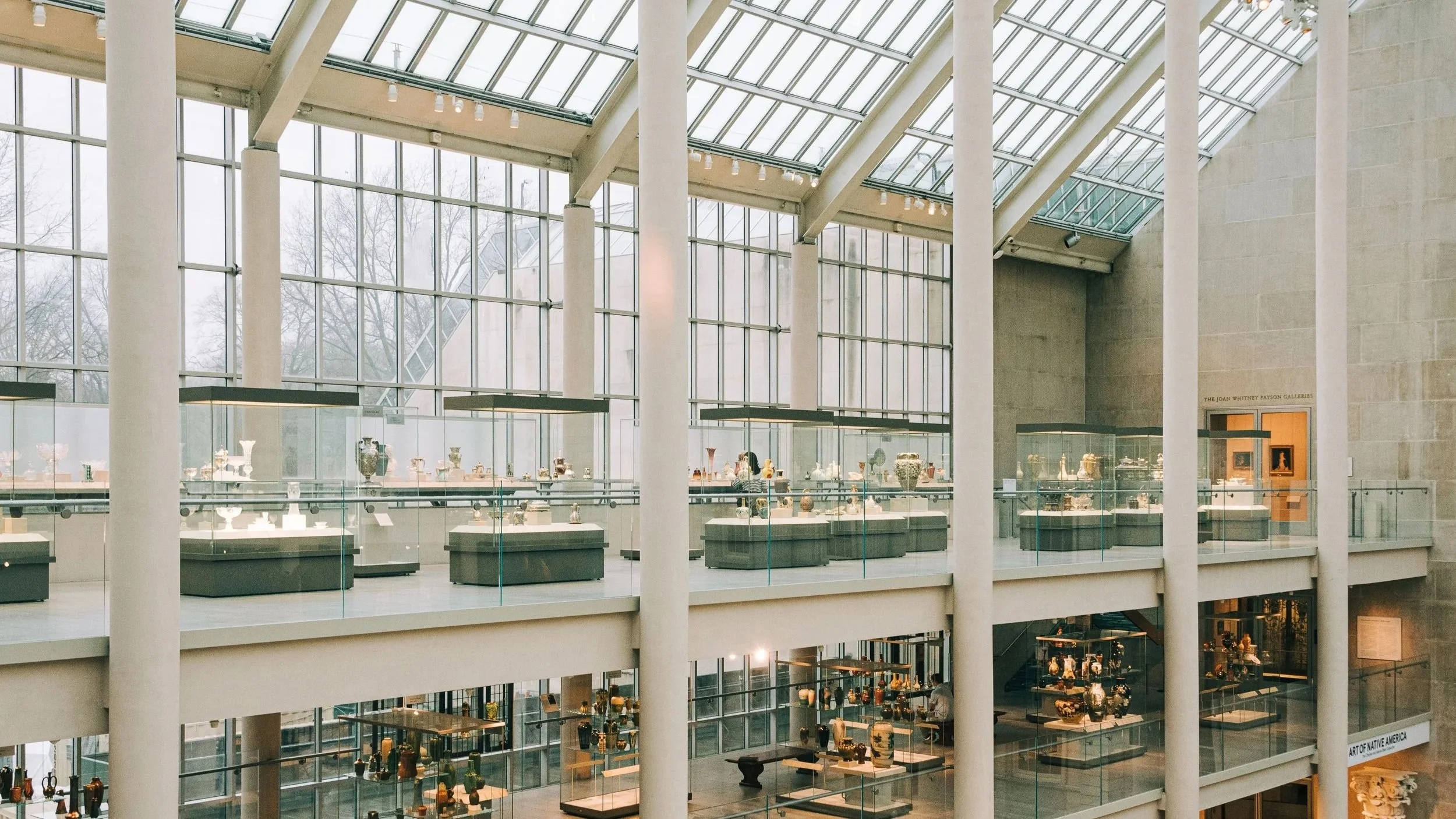
New York City’s streets can be overwhelming for a first time visitor, but there’s no way to take a wrong turn within the 2.2 million square-foot Metropolitan Museum of Art. It would take weeks to explore every gallery in depth, but if you're looking for the spectacles, we're here to help. The Costume Institute's exhibit - this year, the theme is “Costume Art” - is in its new home adjacent to the Great Hall, and there are 14 bronze Giacometti statues in situ in the Temple of Dendur until September 8. Year-round, of course, you’ll find Van Gogh's Self-Portrait with a Straw Hat in the Annenberg Galleries, and Leutze’s Washington Crossing the Delaware in the American Wing. The Michael C. Rockefeller wing reopened in May 2025 after almost five years of renovation; the result is a jaw-dropping survey of arts from Africa, the ancient Americas, and Oceania that recontextualizes and elevates the entire museum collection. Art lovers who leave the Met hungry for more classical paintings should head south, to the newly reopened Frick Collection - the Beaux-Arts mansion houses 14th-19th century European paintings by artists like Titian and Fragonard, as well as decorative art objects (and of course the building itself is a central attraction). Modernists, on the other hand, should head north to the Guggenheim, which began life as the Museum of Non-Objective Painting. Though rechristened after the death of its founder, the original name speaks to the museum’s mission: Impressionist, Post-Impressionist, early Modern and contemporary art, under the roof of a building that could not differ more from the classical architecture of its more staid neighbors.
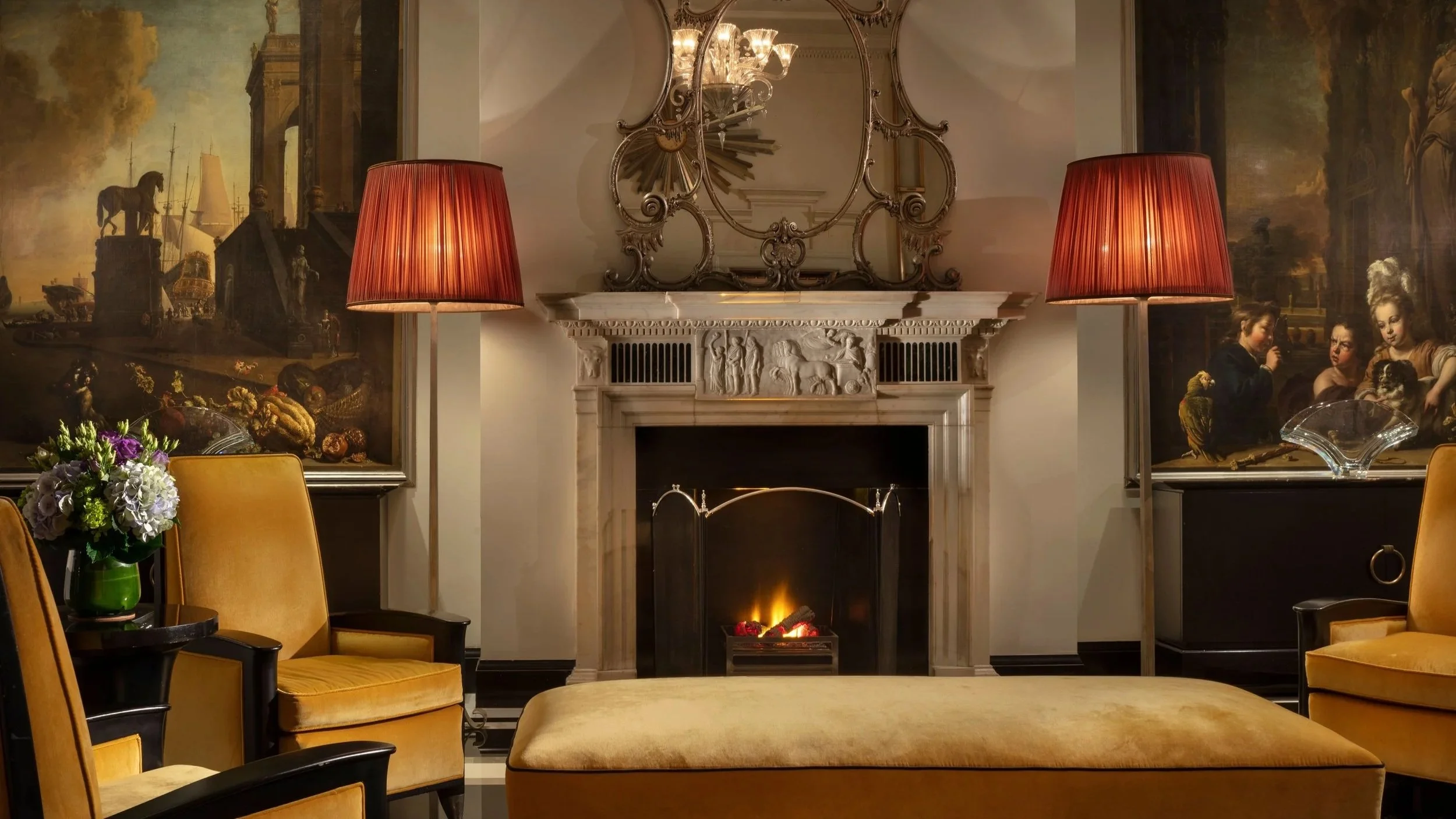
Where to Stay: The Carlyle, A Rosewood Hotel
A bastion of Upper East side sophistication, The Carlyle has been captivating New York's most noteworthy visitors since it opened its doors in 1930. Steps from Central Park, the hotel is anchored by the storied Bemelmans Bar, its iconic jazz den where the whimsical illustrations of Ludwig Bemelmans come to life. Upstairs, 189 rooms feature the elegant signature of Tony Chi, whose designs are also on display at Rosewood sister properties in London and Hong Kong. Additional amenities include two on-site restaurants and a Valmont Spa, but the real attraction here is getting to live in your very own storybook of timeless New York City romance. The hotel is so perfectly located in regard to the Met that each May, dozens of A-Listers debut their Met Gala couture as they depart its gilded doorway en route to fashion’s biggest night; the Frick is half a mile to the south, and the Guggenheim less than a mile up Fifth Avenue to the north.
Madrid, Spain
MARQUEE MUSEUMS
Museo Nacional del Prado
Museo Reina Sofía
Thyssen-Bornemisza Museum
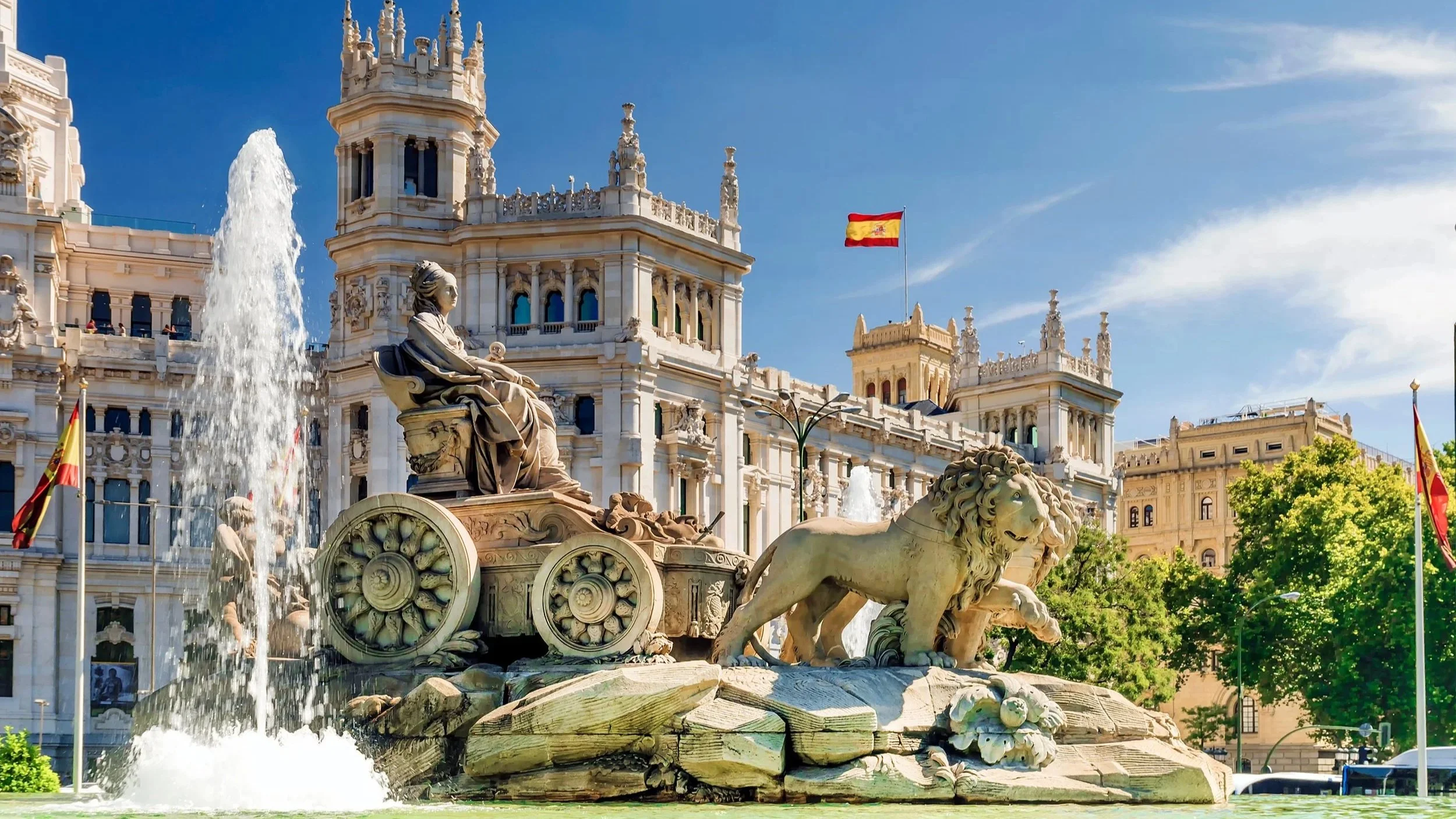
Smack dab in the middle of Spain lies Madrid, a city so rich with history, you can taste it in the ibérico ham and chocolate-dipped churros; at the heart of that city sits the Prado, the most famous museum in all of Spain. The imposing columned building is the beating cultural heart of the country, thrumming with centuries of history. Inside, masterpiece after masterpiece line the jewel-toned walls - a collection of such depth that Bosch’s The Garden of Earthly Delights and Goya’s Saturn Devouring His Son are just part of the party. While the rich tones and endless historical and literary references may feel like an outing for the older set, the Prado wants kids to get in on the action too, offering free admission for anyone under 18, along with optional audio guides that tell short stories behind some of the paintings. (Diego Velazquez’s Las Meninas, a painting of a young girl that grapples with a painter’s place in the world and what it means to look at art, is arguably the crown jewel of the collection, after all.) And if you’re feeling constrained by all the depictions of corsets (or unnerved by one too many Goyas), the country’s 20th century masterpieces, including Picasso’s jaw-dropping Guernica, are a ten-minute walk away at the Museo Nacional Centro de Arte Reina Sofía.
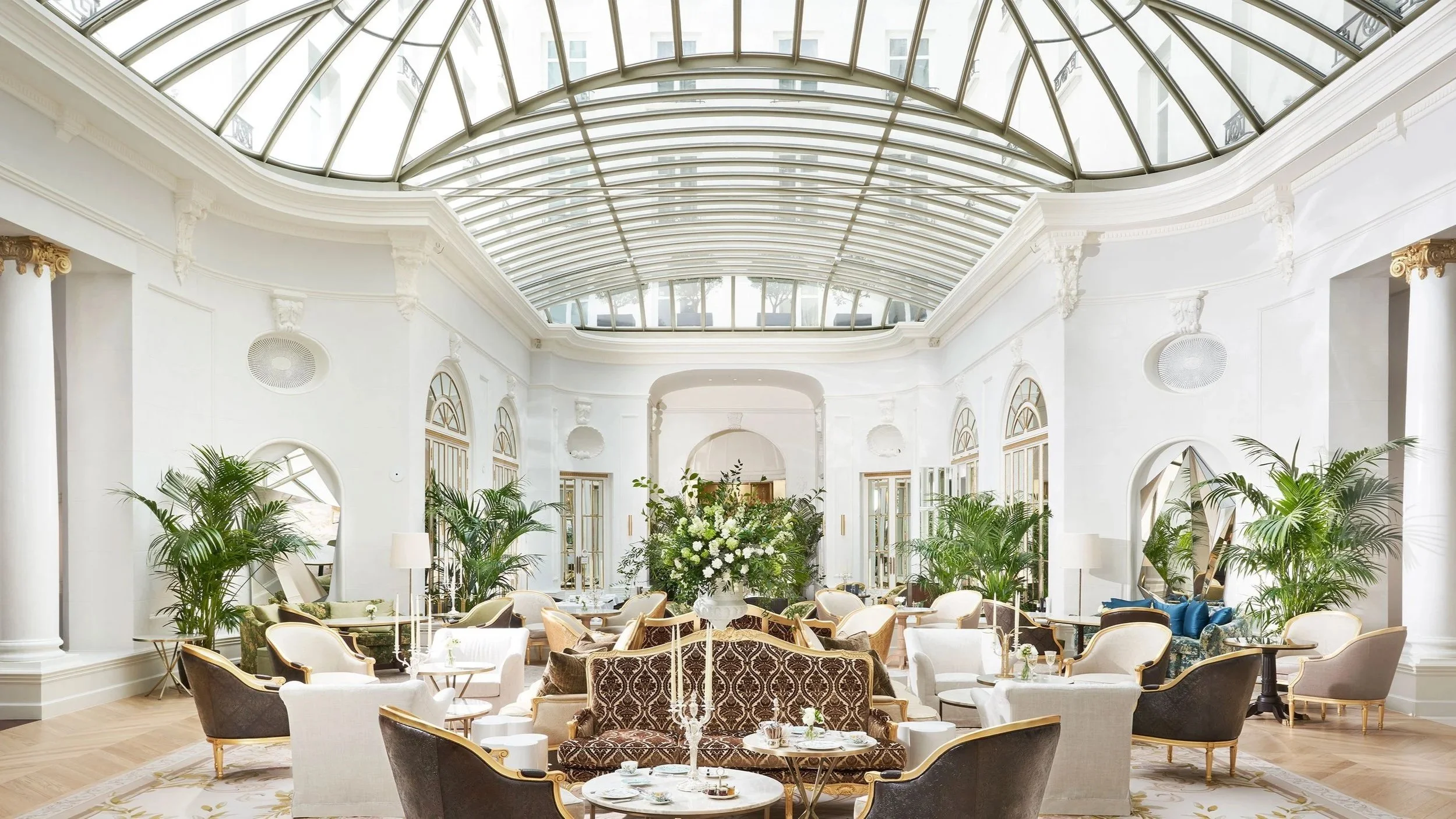
Where to Stay: Mandarin Oriental Ritz Madrid
The Ritz Madrid is a storied property built in the early 20th century under the watchful supervision of legendary Swiss hotelier Cesar Ritz. Mandarin Oriental bought the Ritz Madrid in 2015, overseeing its top-to-bottom multi-million-dollar renovation, and crowning it the Mandarin Oriental Ritz, Madrid. The hotel’s 153 residential rooms, designed by Gilles & Bossier, overlook the Prado Museum and Lealtad Square, but the property’s main attractions are its five buzzy dining venues, reimagined by Spain’s renowned Chef Quique Dacosta. The lobby, restaurants, bars, and even the indoor swimming pool are decked out with swirling mix of gold and marble but with a fresh style that completely elevates every aspect of the hotel, inside and out.
Paris, France
MARQUEE MUSEUMS
Louvre Museum
Musée d'Orsay
Musée de l'Orangerie
Centre Pompidou
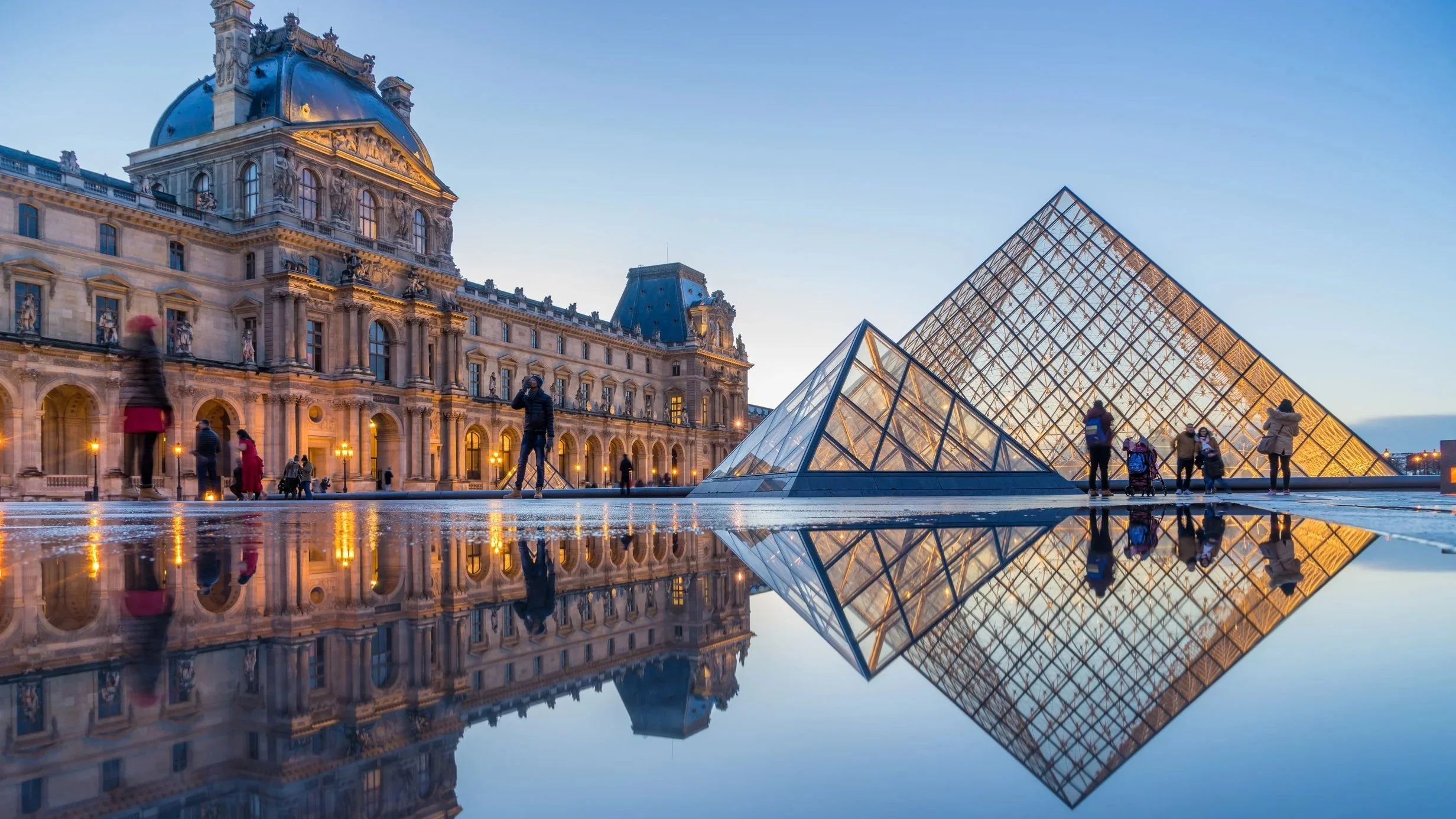
Paris is past the point of introduction, but what makes its biggest museum so world-renowned? The Louvre was originally built as a fortress by King Philip II; in the midst of the French Revolution in 1793, it was transformed into a public museum. With over 500,000 pieces of art spanning centuries, by the modern era, the palace was running out of room for the millions of tourists flooding its corridors. In the early 1980s, French President François Mitterrand hired architect I. M. Pei to redesign the museum for more space, and the iconic glass pyramids were born. These days, the Louvre welcomes between eight and nine million visitors every year. The Mona Lisa might feature on the most merch and attract her fair share of fawning fans, but the collection over which she reigns is stacked with highlights: Veronese’s The Wedding Feast at Cana, Delacroix’s Liberty Leading the People, David’s Coronation of Napoléon and the Empress Joséphine, and Géricault’s The Raft of the Medusa are only a few of the spectacular paintings waiting in the hallways. Should your artistic taste skew more to the three-dimensional, some of the best-preserved statues in the world are ensconced here, including Venus de Milo, Psyche Revived by Cupid's Kiss, The Caryatids, and The Winged Victory of Samothrace, along with an entire gallery devoted to Michelangelo. The Louvre's vast collection may at first seem overwhelming (if one were to look at each piece for just 30 seconds, visiting everything would take more than three months), but it really means there’s a favorite for everyone within these hallowed halls. And should your stamina permit, just across the Seine from the Louvre, you’ll find essentially any French painting you haven’t already seen, at the Musée d'Orsay, the former rail station that houses the largest collection of Impressionist and post-Impressionist paintings in the world. Among the 3,000 works on display at any given time, you’ll find 86 works by Monet, 81 by Renoir, 34 Manets, 56 Cézannes, and dozens by Bonnard, Courbet, Degas, Gaugin, VanGogh, and Signac.
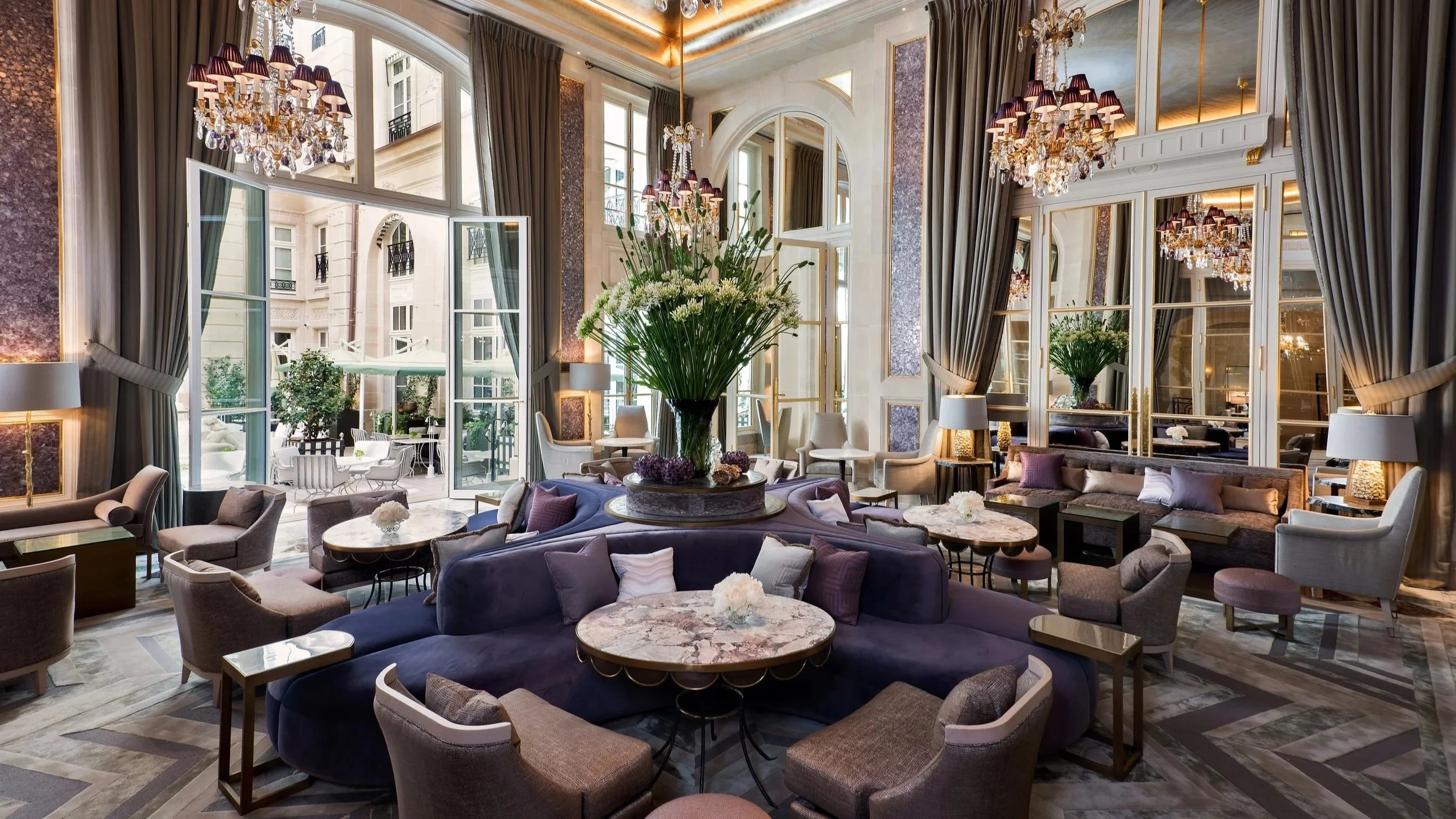
Where to Stay: Hôtel de Crillon, A Rosewood Hotel
Hotel de Crillon, A Rosewood Hotel, is Paris at its most timeless and tantalizing. Set on the storied Place de la Concorde, this 18th-century palace has seen its share of history and culture: In February 1778, the nascent United States signed its first treaty with France here; during the French Revolution a dozen years later, it was occupied by Louis XVI and Marie Antoinette. More recently, a four-year restoration earned it Palace status in 2017. The 124 rooms and suites balance ornate moldings, rich textures, and quiet, couture-level detail. The mood is opulent, designed with polished marble, gilded mirrors, and soft, golden light. Cross the Place de la Concorde and stroll through the idyllic scenes of the Tuileries to reach the storied collections of the Louvre, on the right bank, and the Orsay, just across the river.
Washington D.C.
MARQUEE MUSEUMS
National Museum of Natural History
National Museum of African American History and Culture
National Museum of American History
National Gallery of Art
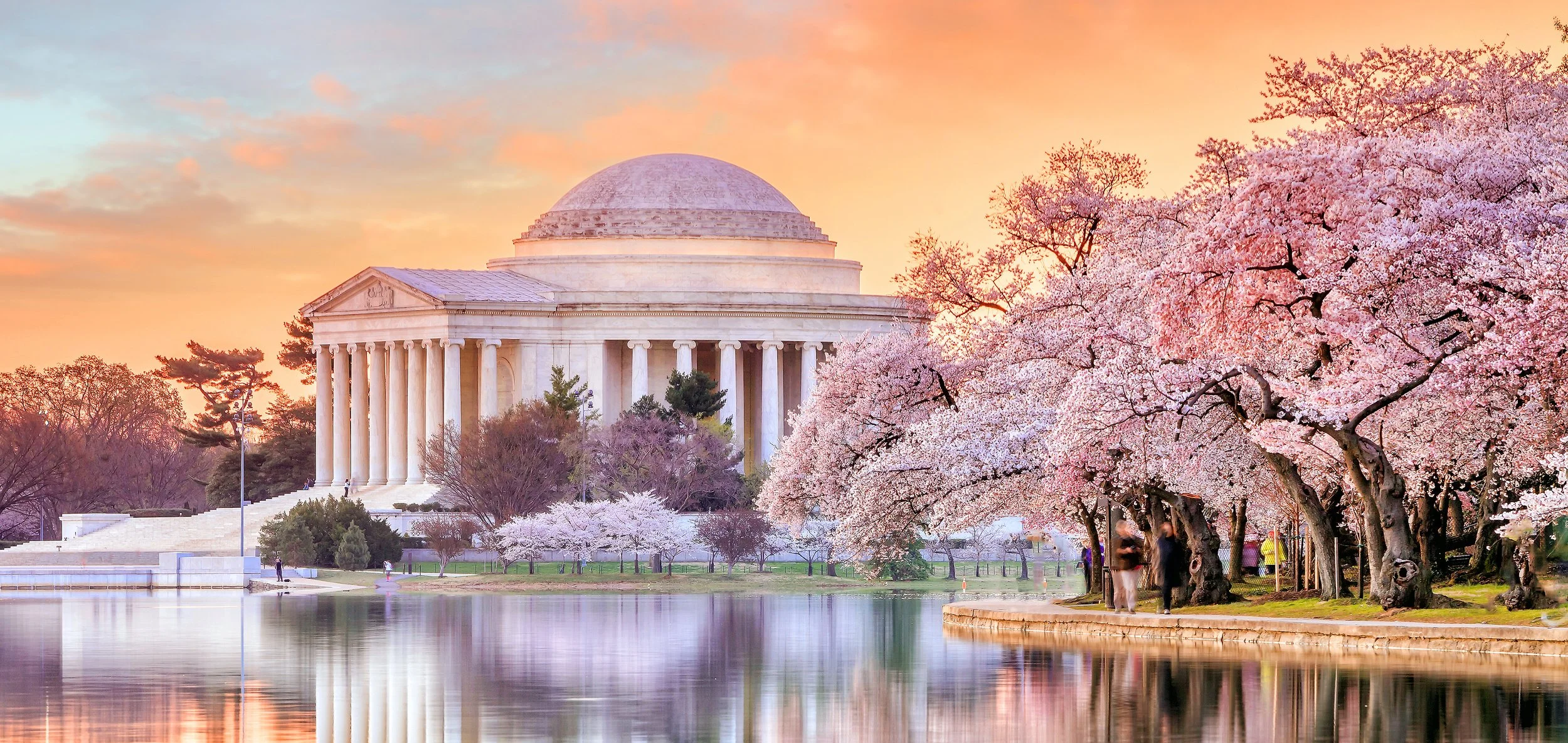
When James Smithson, an English scientist, left his estate to the United States, the stated purpose was “an establishment for the increase & diffusion of Knowledge among men.” It’s a fair bet that Smithson would have been surprised at just how diverse and diffuse that bequeathal has become in the ensuing two centuries. The Smithsonian Institute now comprises 21 museums, 21 libraries, 14 education and research centers, a zoo, and historical and architectural landmarks, with a total collection of around 157 million items. About 30 million visitors enjoy a Smithsonian facility each year, almost all of whom are admitted without charge. The Institute’s reach is vast, but 11 museums are centered on Washington DC’s National Mall, meaning they’re within a lovely one-mile end-to-end stroll. Pop into the The National Air and Space Museum, which impresses even the most knowledgeable aviators with hundreds of air and space crafts hung across the ceilings, including the 1903 Wright Flyer. Walk through Earth’s four and half billion-year history at the Natural Museum of Natural History, the largest of its kind. At the Arts and Industries Building, you’ll find artifacts such as Edison’s lightbulb, the first telephone, and the Apollo rockets; in the American History Museum, Dorothy’s ruby slippers and Betsy Ross’s star-spangled banner. Chuck Berry’s red Cadillac convertible is in the National Museum of African American History and Culture, and Hiroshi Sugimoto’s reimagined Sculpture Garden will open outside the Hirshhorn Museum in October 2026. Suffice it to say, there’s something for every type of visitor somewhere along the Mall.
Where to Stay: The St. Regis Washington, D.C.
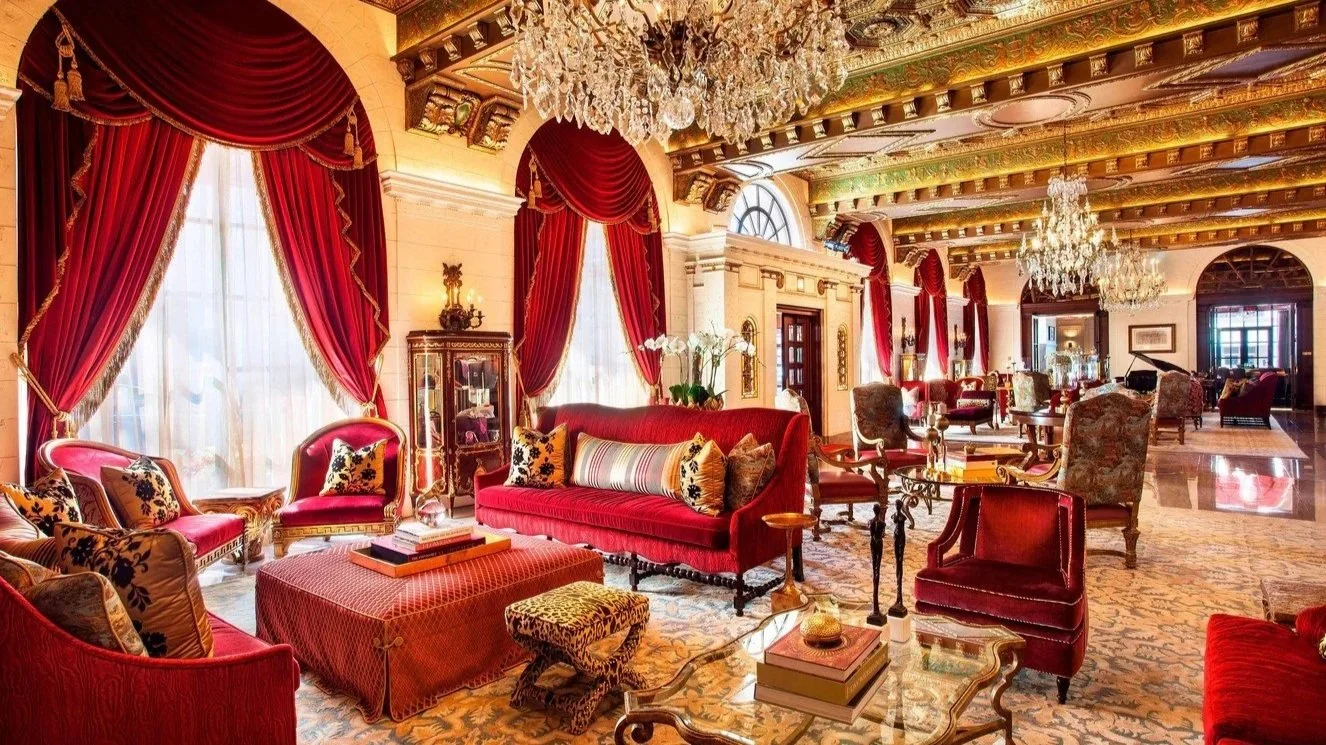
At the corner of 16th and K Streets, The St. Regis Washington, D.C. has anchored the city's power corridor since it opened on October 1, 1926, as the Carlton Hotel.. Cordell Hull, FDR's secretary of state, lived here through much of World War II, and the guest list since has run through presidents, foreign dignitaries, and Washington power brokers of every era. A 2024 renovation touched 182 guest rooms and suites across seven floors, along with the 2,508-square-foot Astor Ballroom and its adjoining terrace, introducing Kravet textiles in cream, blue, soft gray, and gold against white-and-gray marble bathrooms with gold Symmons fixtures — all while preserving the building's original hardwood floors, historic ceilings, and floor-to-ceiling arched windows. Downstairs, the lobby's crystal chandeliers and gilded detailing still nod to its 1920s origins. The hotel sits roughly a mile and a half from the National Mall, putting the Smithsonian's museums within easy reach.
Florence, Italy
MARQUEE MUSEUMS
Uffizi Gallery
Accademia Gallery
Palazzo Vecchio
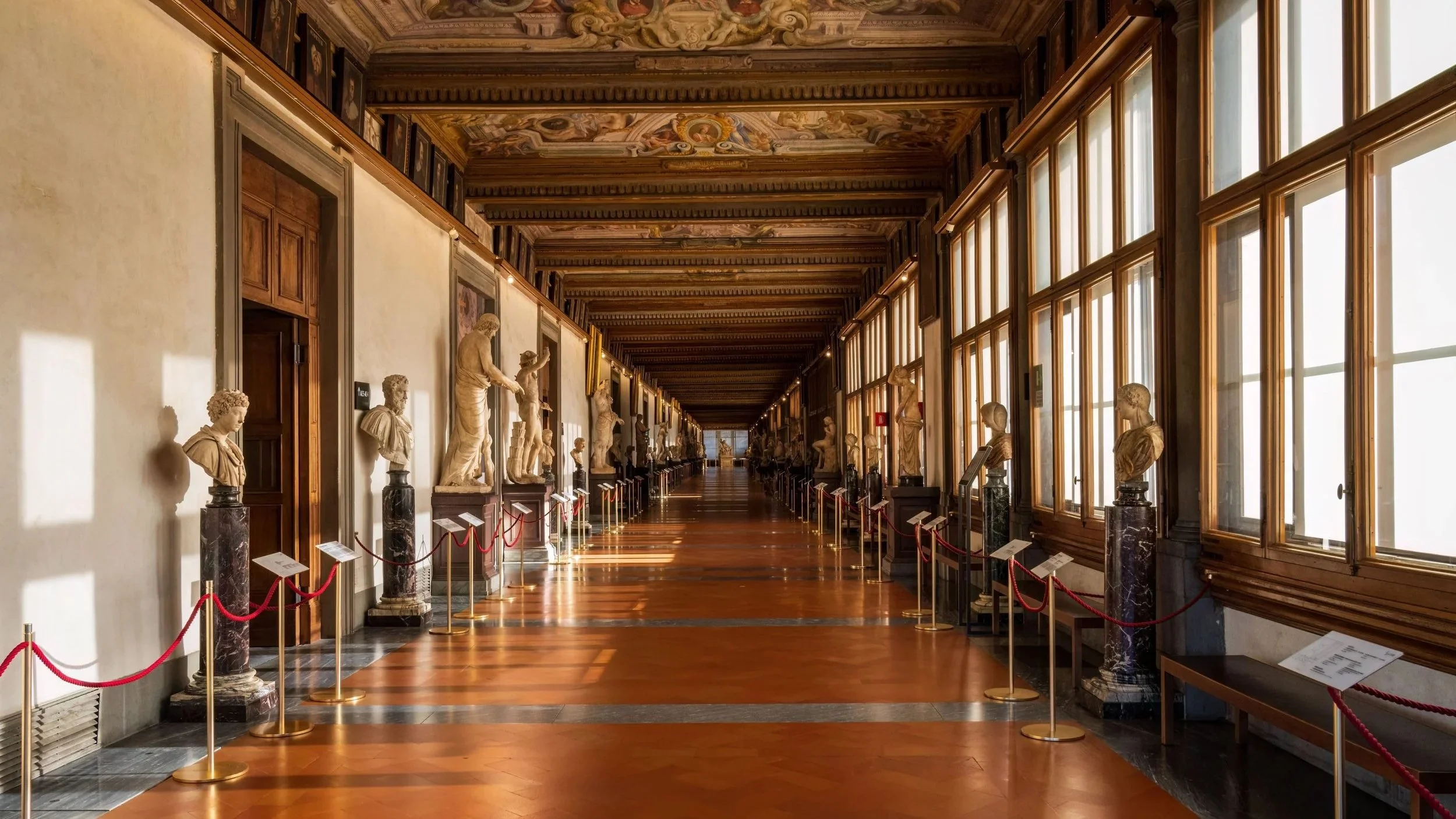
And of course, we could never forget Florence, cradle of the Renaissance and eternal home to the masters: Michelangelo, Leonardo da Vinci, and Botticelli. In this city of culinary indulgence, where Florentine steak, lampredotto, and ribollita reign, stands the Uffizi Gallery, custodian of the Renaissance's most exceptional masterworks. The building's origins are decidedly bureaucratic: commissioned in 1560 by the Duke of Florence to house the city's administrative offices, it was eventually claimed by the Medici family, whose voracious appetite for art transformed the halls entirely. By 1865, the transformation was complete, and the palazzo formally opened as a museum. Inside, the roll call reads like a survey of art history itself: Botticelli's ethereal The Birth of Venus, Michelangelo's Doni Tondo (his only surviving finished panel painting), da Vinci's Annunciation, Caravaggio's haunting Medusa, Raphael's tender Madonna of the Goldfinch, and Titian's sensuous Venus of Urbino. Each canvas is an absolute must, a masterpiece demanding its own quiet moment of reverence. Before you leave, make your way to the rooftop terrace, where the city of Florence unfurls beneath you, the Arno River winding through it all, a fitting final flourish to a gallery that holds nothing less than the soul of the Renaissance.
Where to Stay: Portrait Firenze
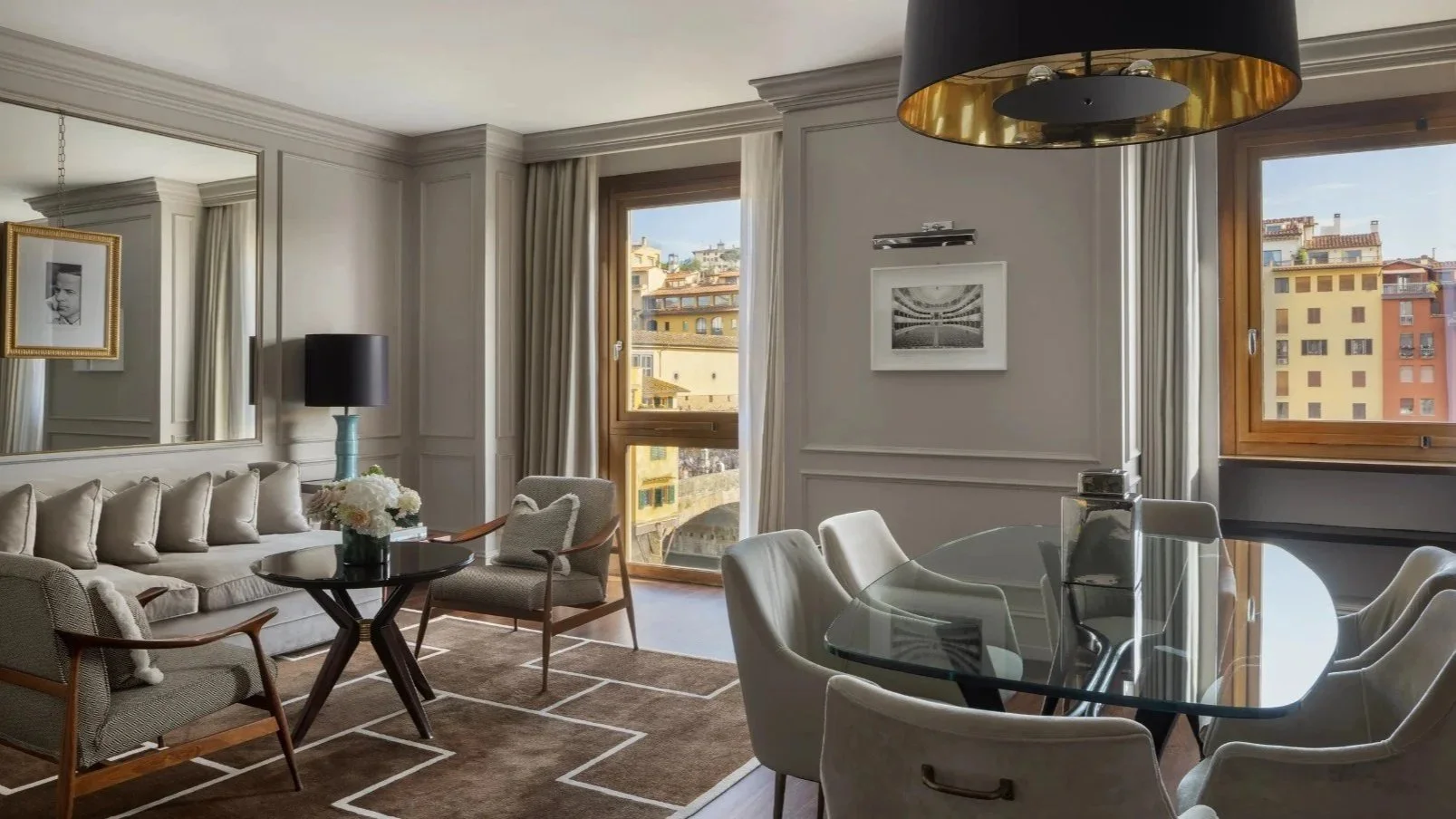
Portrait Firenze is an intimate five-star hotel set directly on the Arno River, on Lungarno degli Acciaiuoli in the heart of Florence's historic center. It sits just steps from the medieval arches of the Ponte Vecchio and a short walk from the Uffizi Gallery and Piazza della Signoria, placing guests at the doorstep of the city's most storied art and architecture. Opened in 2014, it’s home to 37 meticulously designed suites, many with views over the river toward the Ponte Vecchio and Palazzo Pitti. Architect Michele Bonan drew inspiration from 1950s Florentine aristocracy, with warm wood tones, soft greys, gilded accents, and cashmere, and the result is refined but relaxed. The hotel is part of the Lungarno Collection, owned by the descendants of Salvatore Ferragamo, and is a member of The Leading Hotels of the World - a fitting pedigree for a property so close to some of the most important art in the world.