Local Foreigner in Southern Africa
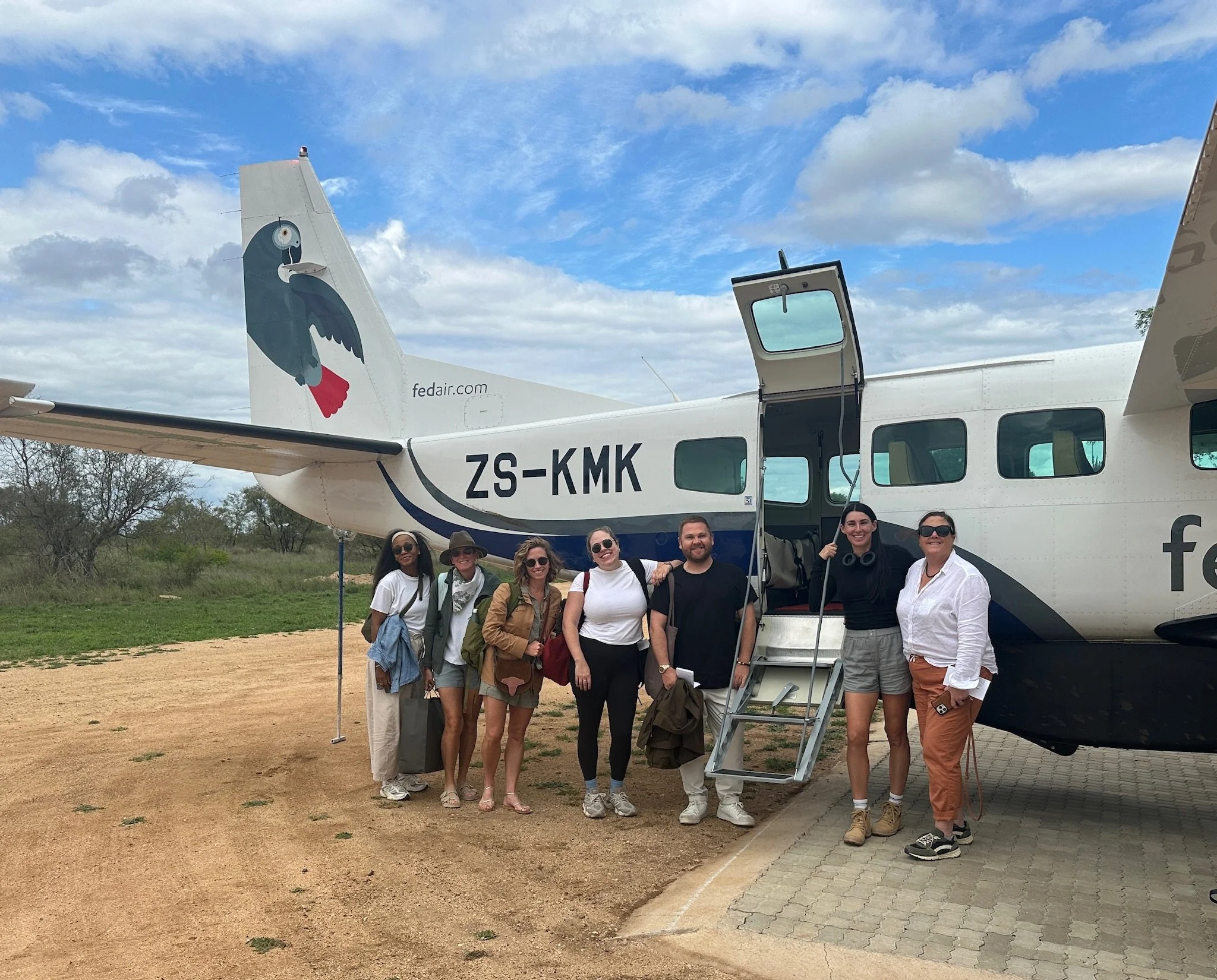
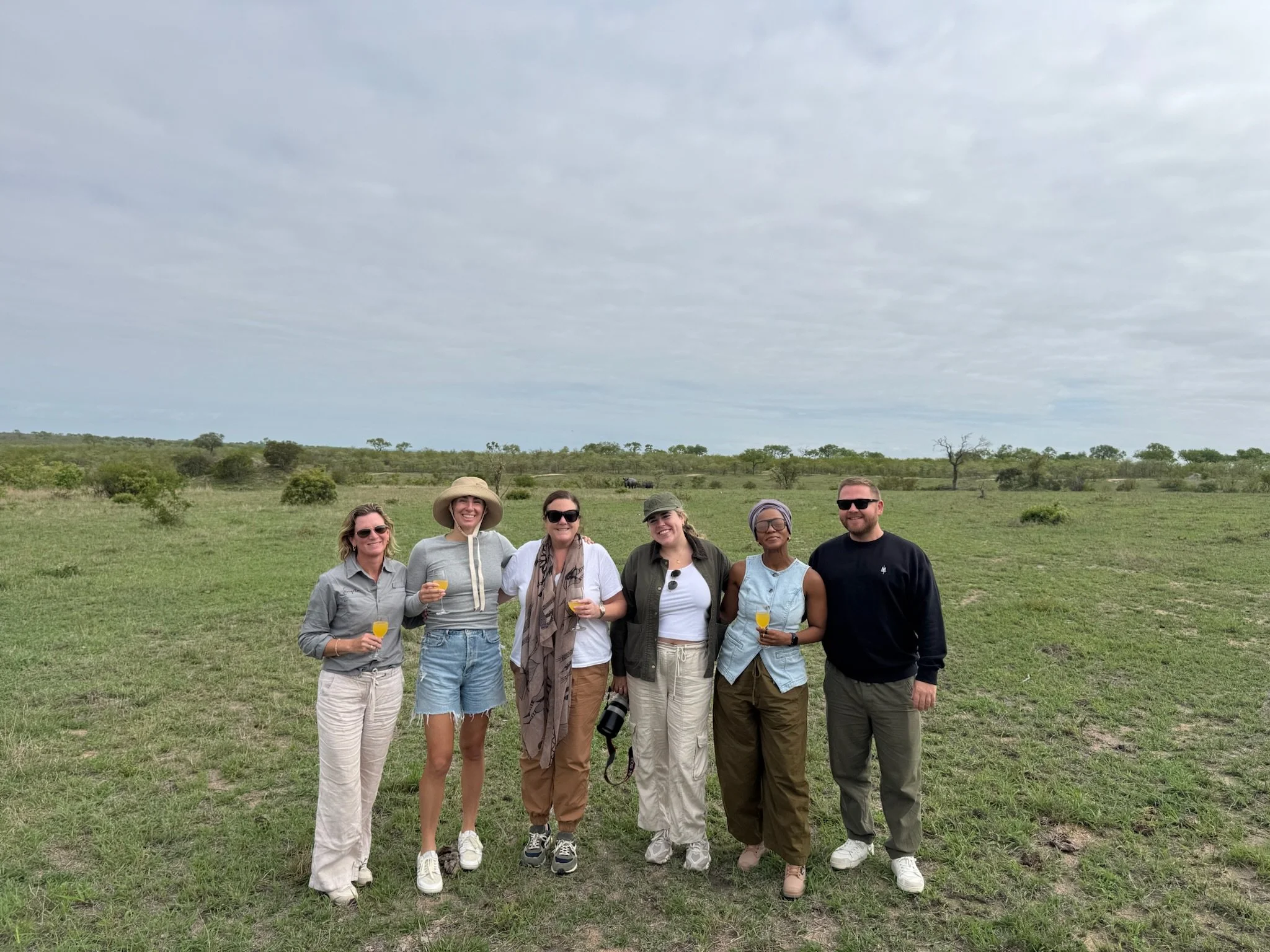
(L-R) Singita’s Pride Maunatlala, Local Foreigner’s Meg Nolan, Kate Mitchell, Alex Kramer, James McLaren, Alex Erdman Ely, and Maggie Ryan prepare to board their bush plane to the Sabi Sand
When it comes to variety of experience, there are few corners of the world as diverse and dynamic as southern Africa. Anchored by the Mother City of Cape Town, once you’ve made the journey to the bottom of the globe, excellent wine, dramatic beaches, cutting-edge culinary and creative scenes, incredible wildlife experiences, and world-class hotels and lodges are all suddenly within easy reach. What starts out as a bucket list trip often becomes a first-of-many visit, and keeping our scouting intel fresh so we can support clients diving deep in the region is key. To this end, in November, six Local Foreigner advisors unpacked from our team Retreat in Mexico, and a day later, boarded a flight to Johannesburg for a comprehensive scout of South Africa and a taste of Zimbabwe.
Anchored by Singita’s lodges in the two countries before continuing on to the Cape Winelands, Cape Coast, and Cape Town itself, the trip was a reminder of why this corner of the world remains such a compelling itinerary for so many kinds of travelers. First-time safari-goers will find it accessible and deeply rewarding, but safari veterans will also find much to love, with the product quality and exceptional, warm guiding. Families, honeymooners, wine lovers, and design-minded travelers can all make a case for both countries. “Who should go?” Alex Erdman asks. “First time safari goers will love it, but even if it's your fifth time, I think you would still find it really enjoyable because of the quality of the product and the guides.”
The group began in Johannesburg, where they split between the Saxon and the InterContinental, depending on arrival timing. Johannesburg is often approached as a practical overnight, but it plays an important role in making the larger journey feel smooth. South Africa is, in many ways, one of the most seamless safari destinations to reach from the United States, with straightforward long-haul access and an infrastructure that allows travelers to move from city to bush to coast with relative ease.
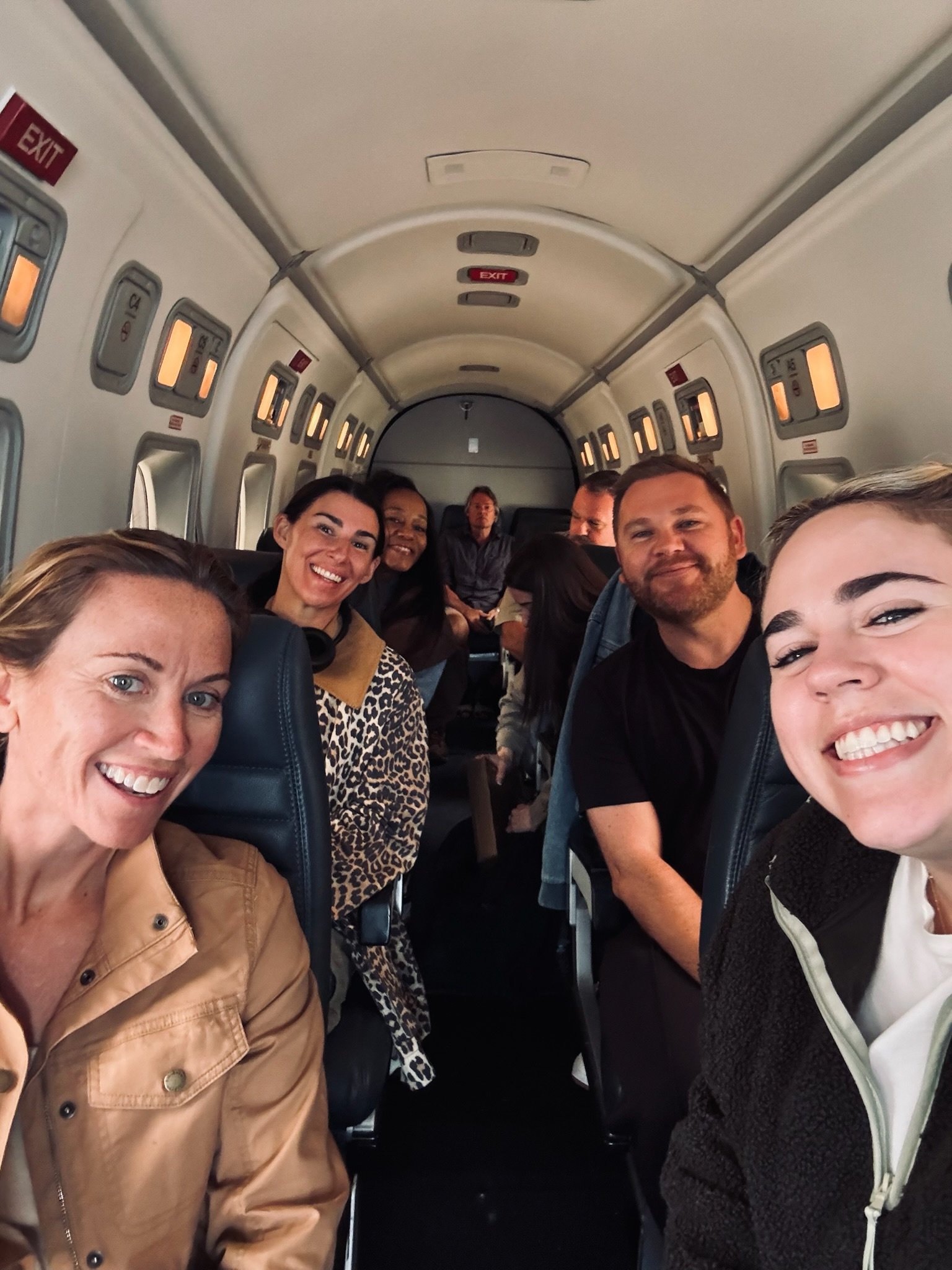
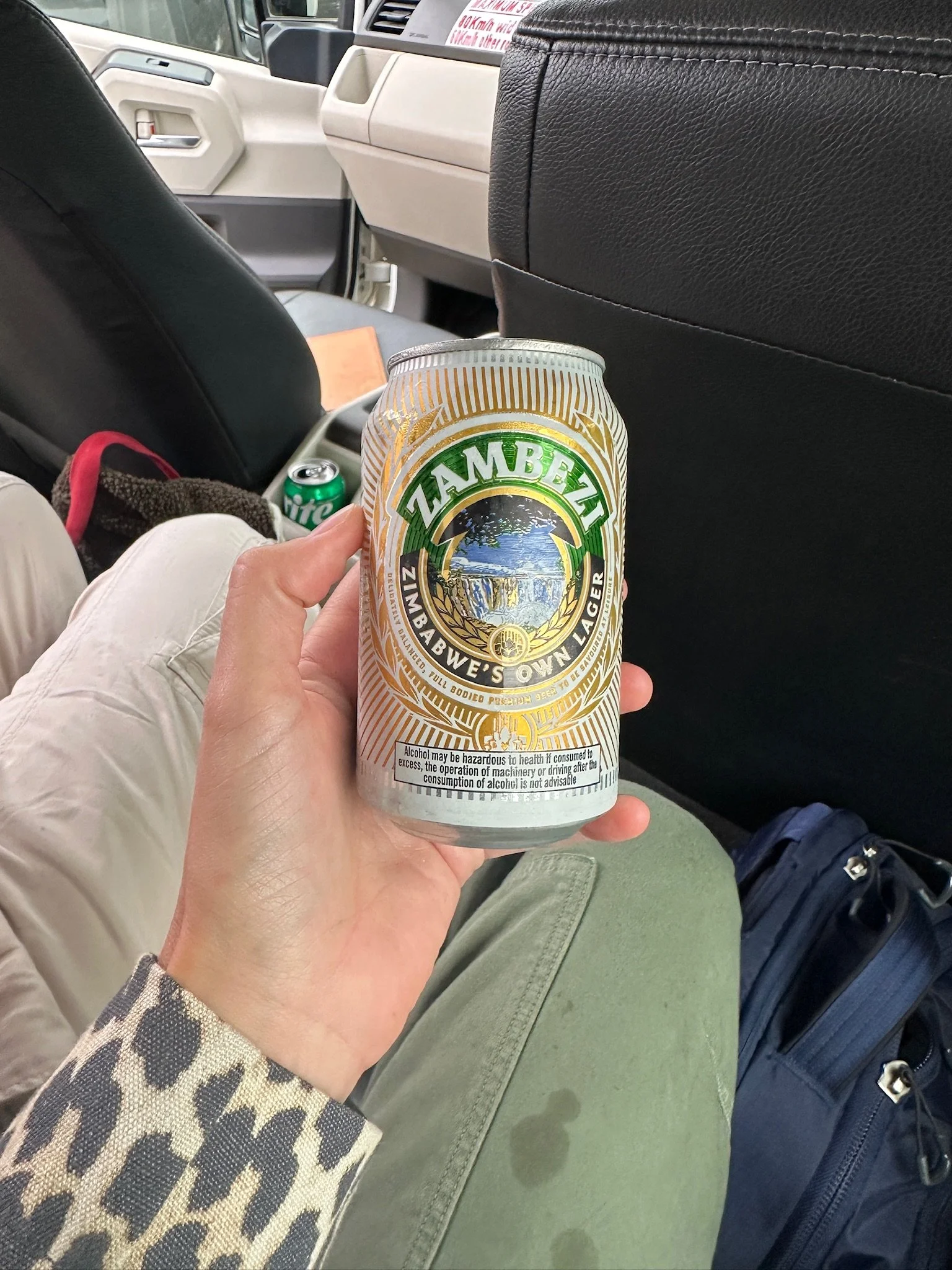
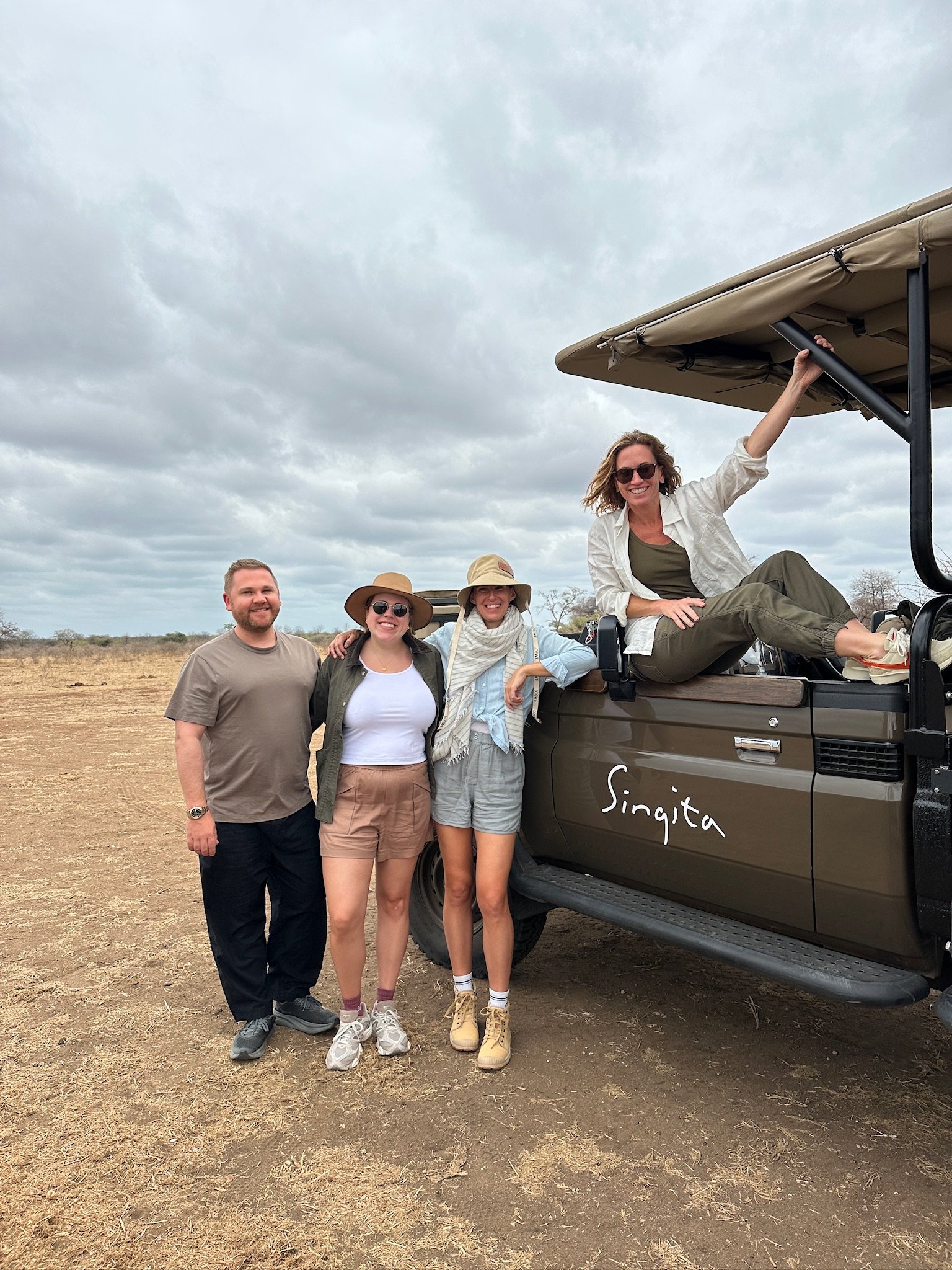
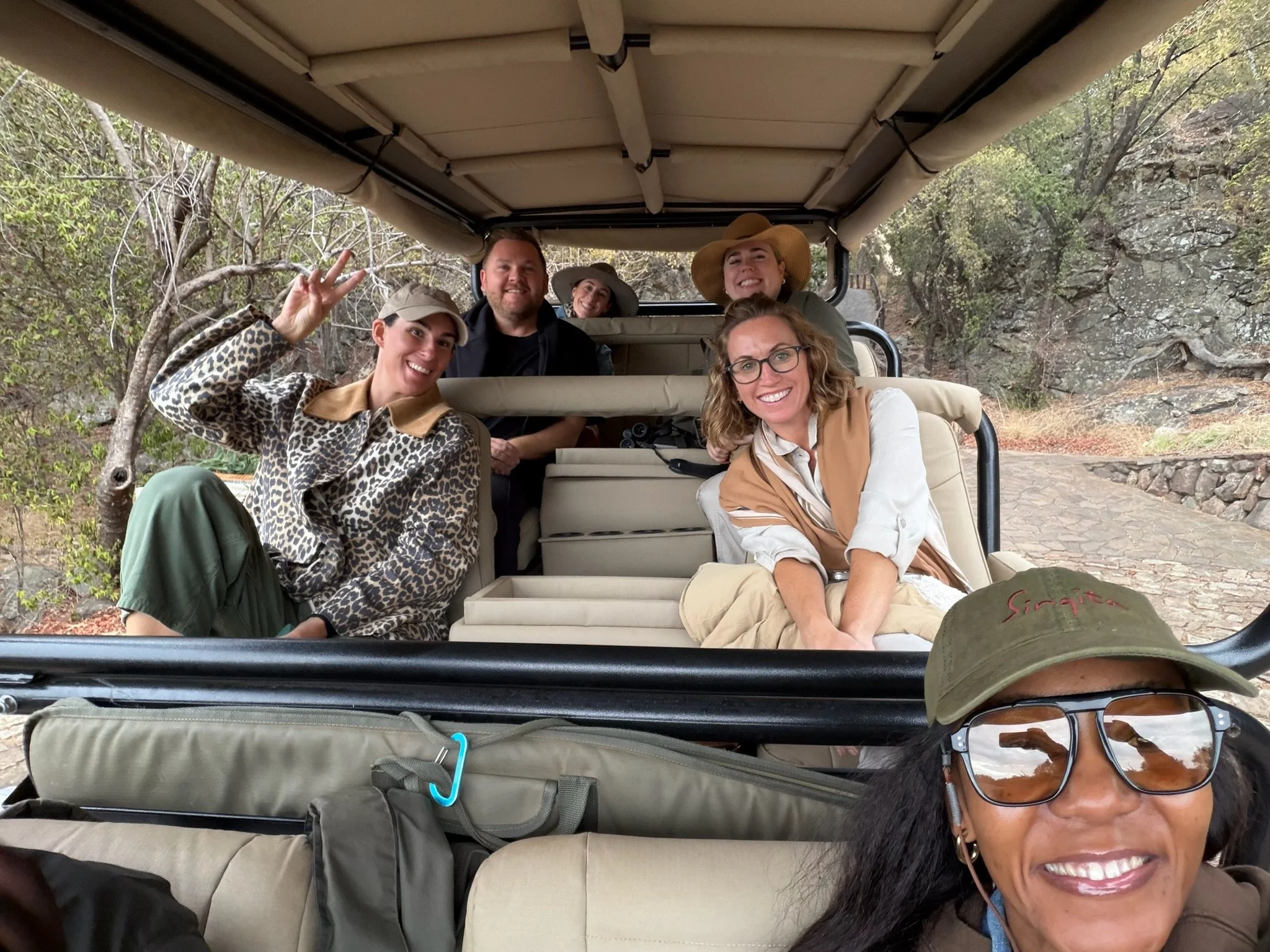
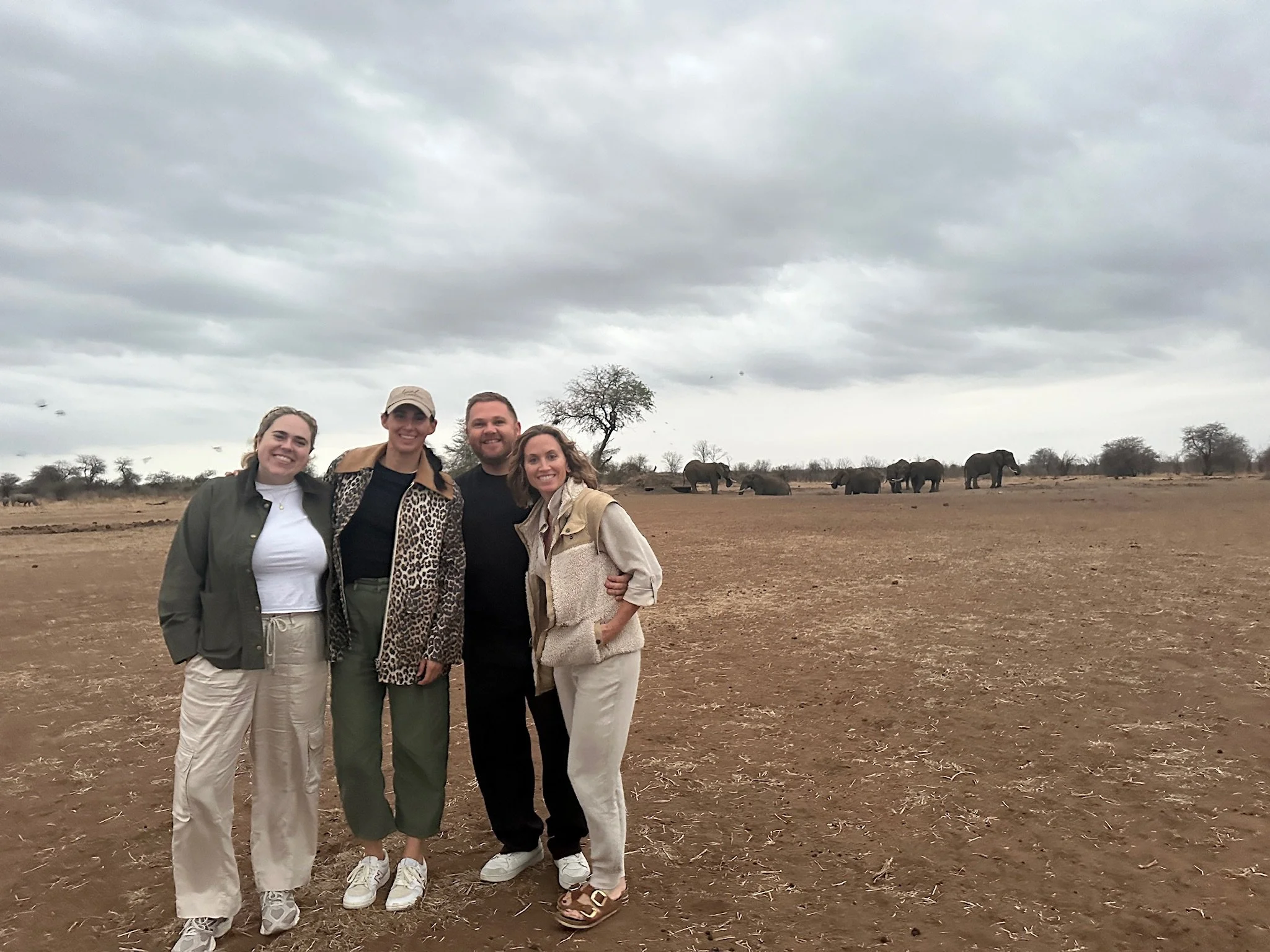
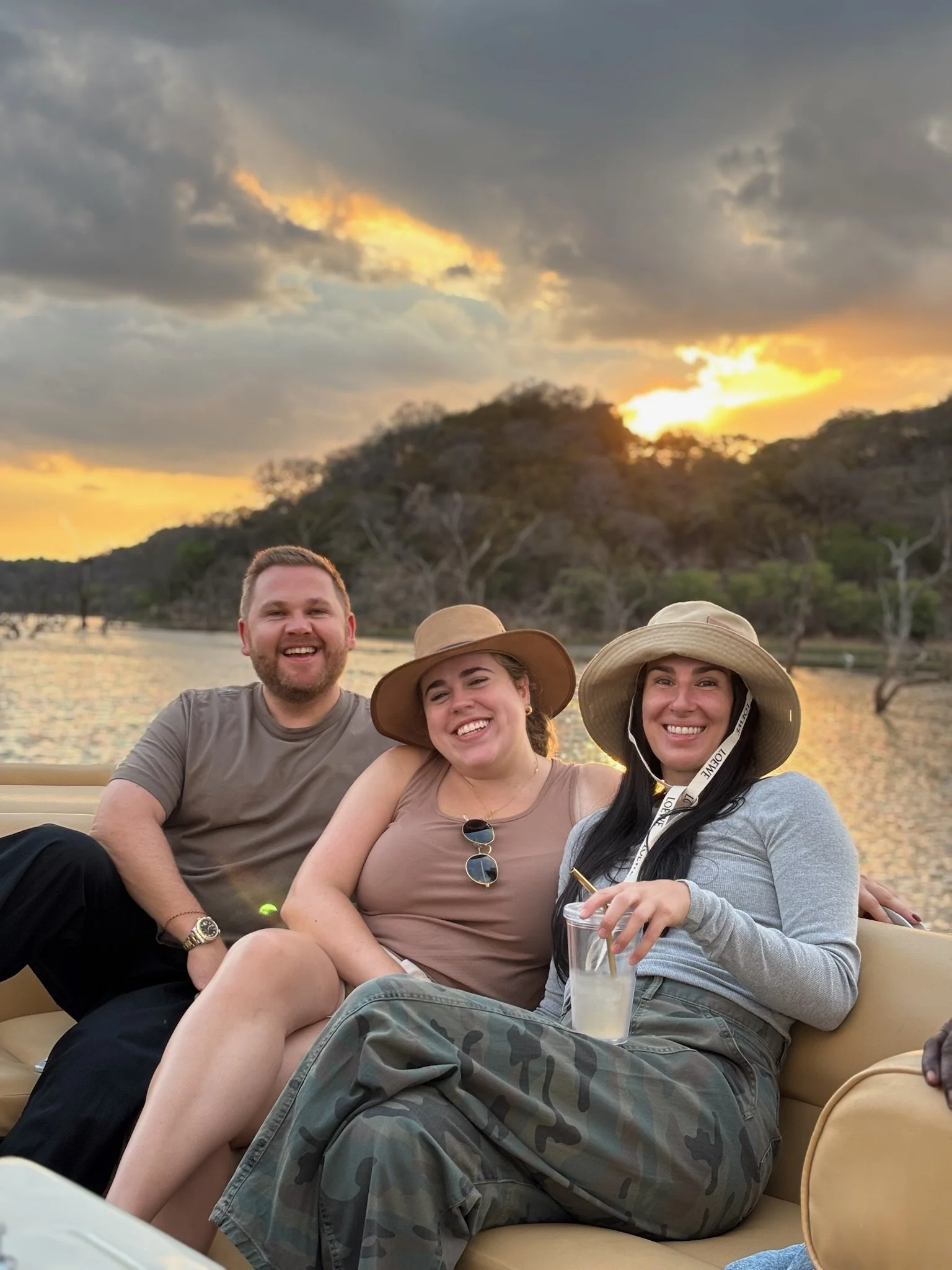
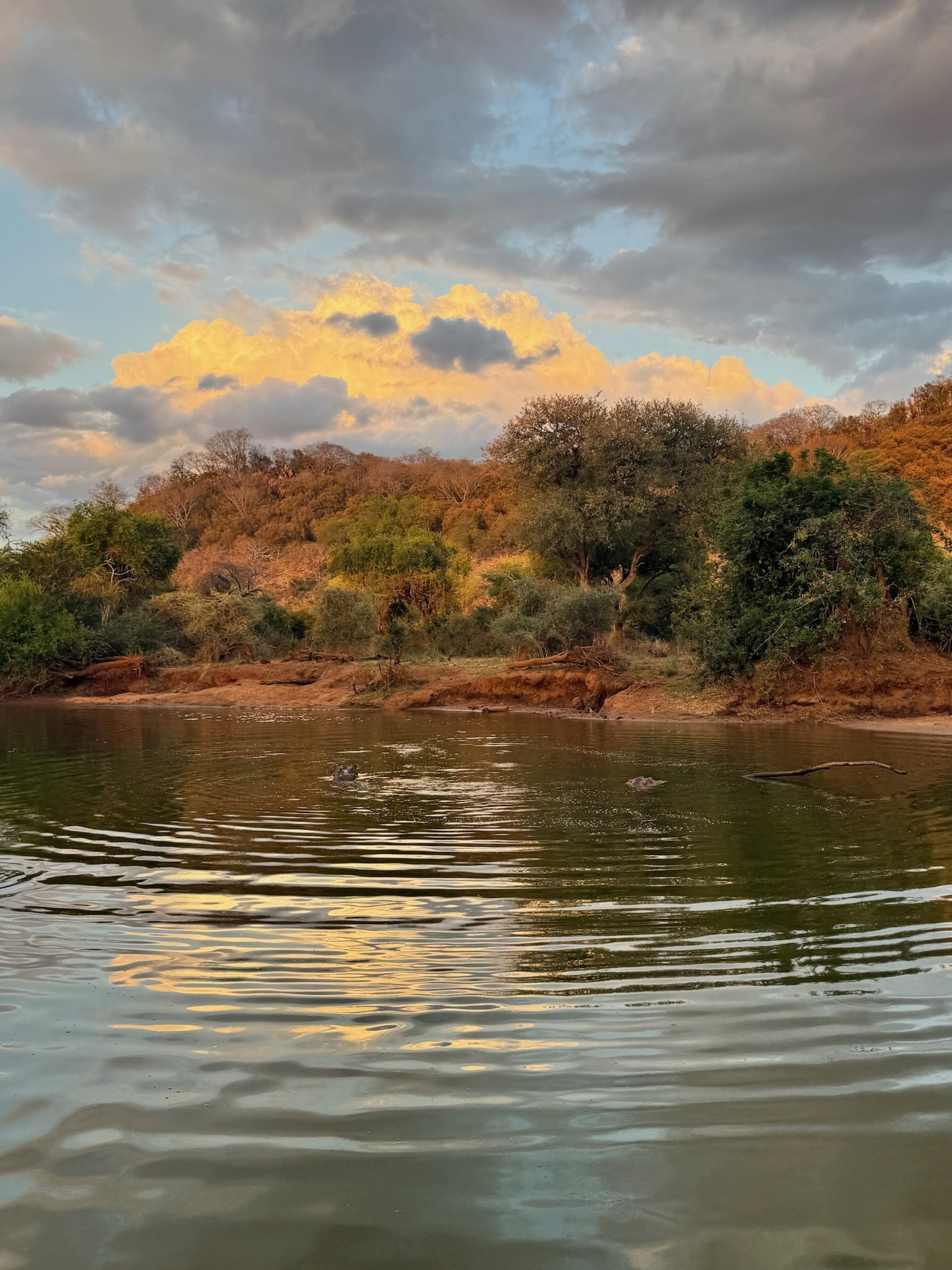
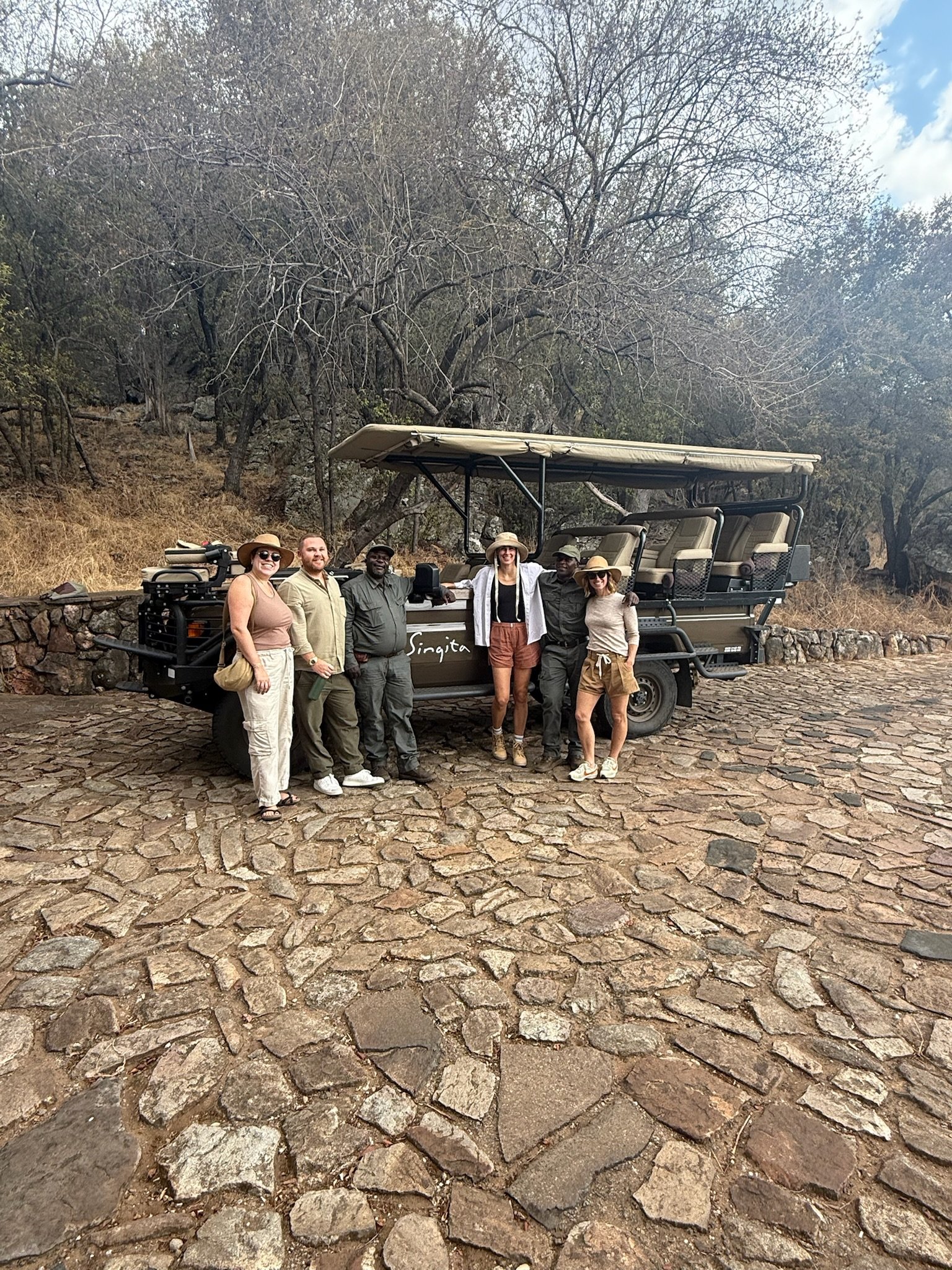
After getting acclimated in Joburg, they convened at the Fireblade terminal for their flight to Chiredzi Buffalo Range, a small airport on the edge of the bushland that offers access to Zimbabwe’s Malilangwe Reserve. Within the Malilangwe, high on a hill overlooking a dam filled with hippos, sits Singita Pamushana. The lodge delivers a dramatic sense of place from the moment you arrive. “One thing that’s quite unique about Pamushana is its position, based on a cliff overlooking the water,” James McLaren said. “So you have the opportunity not only for great views, but you can actually do boating activities, boating safaris, or sunset sails, which is a really lovely addition to a traditional game drive.”
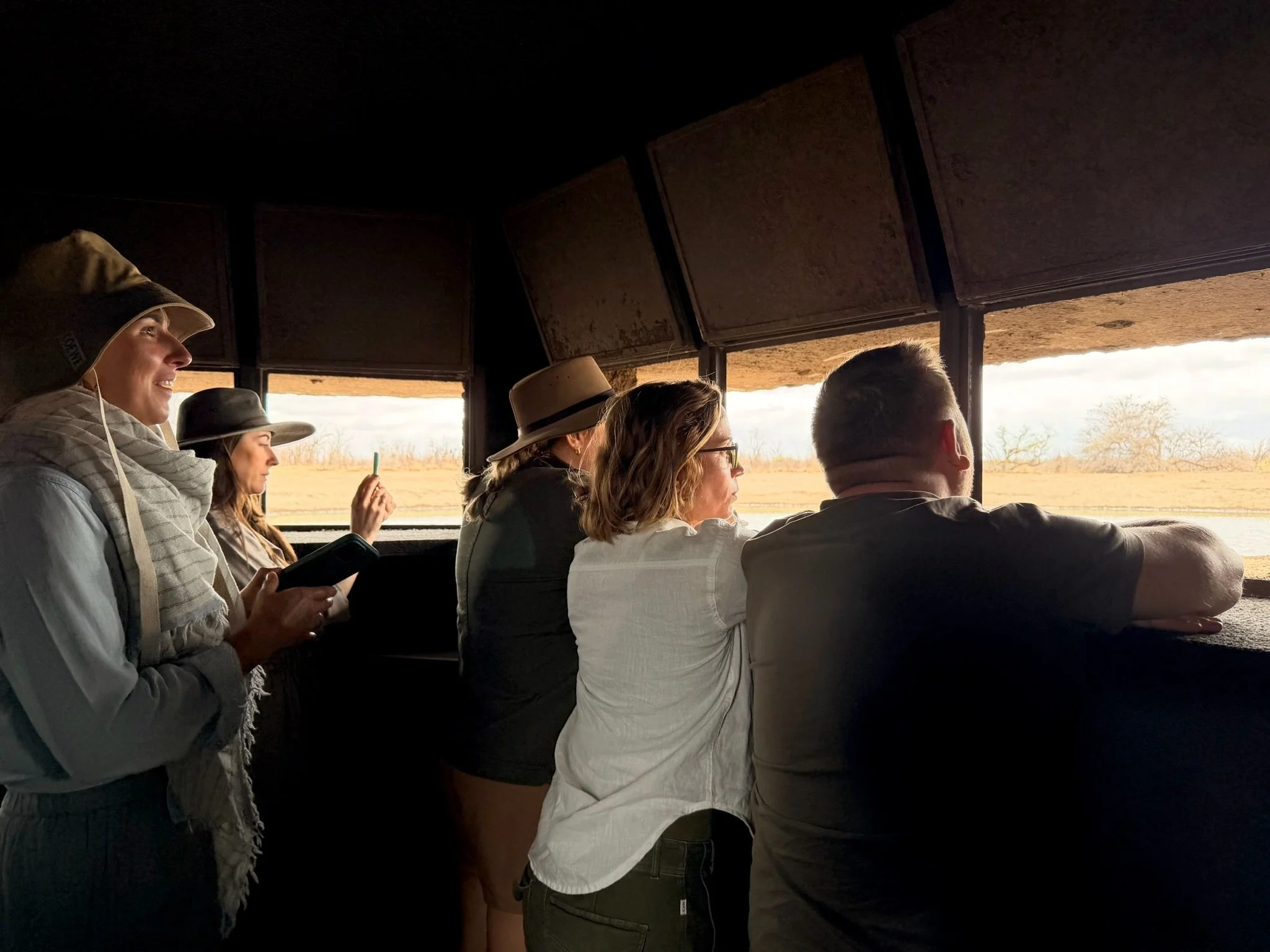
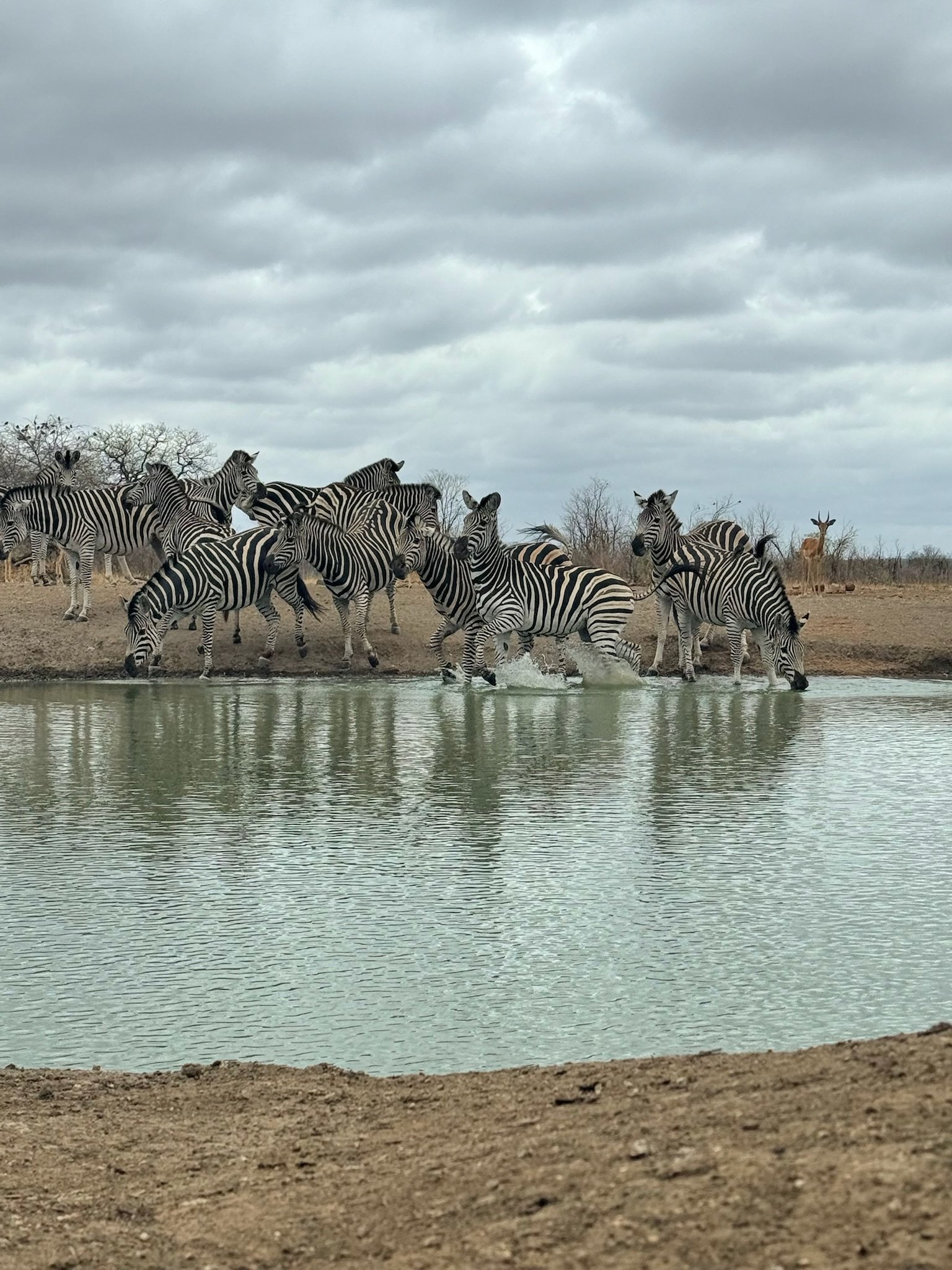
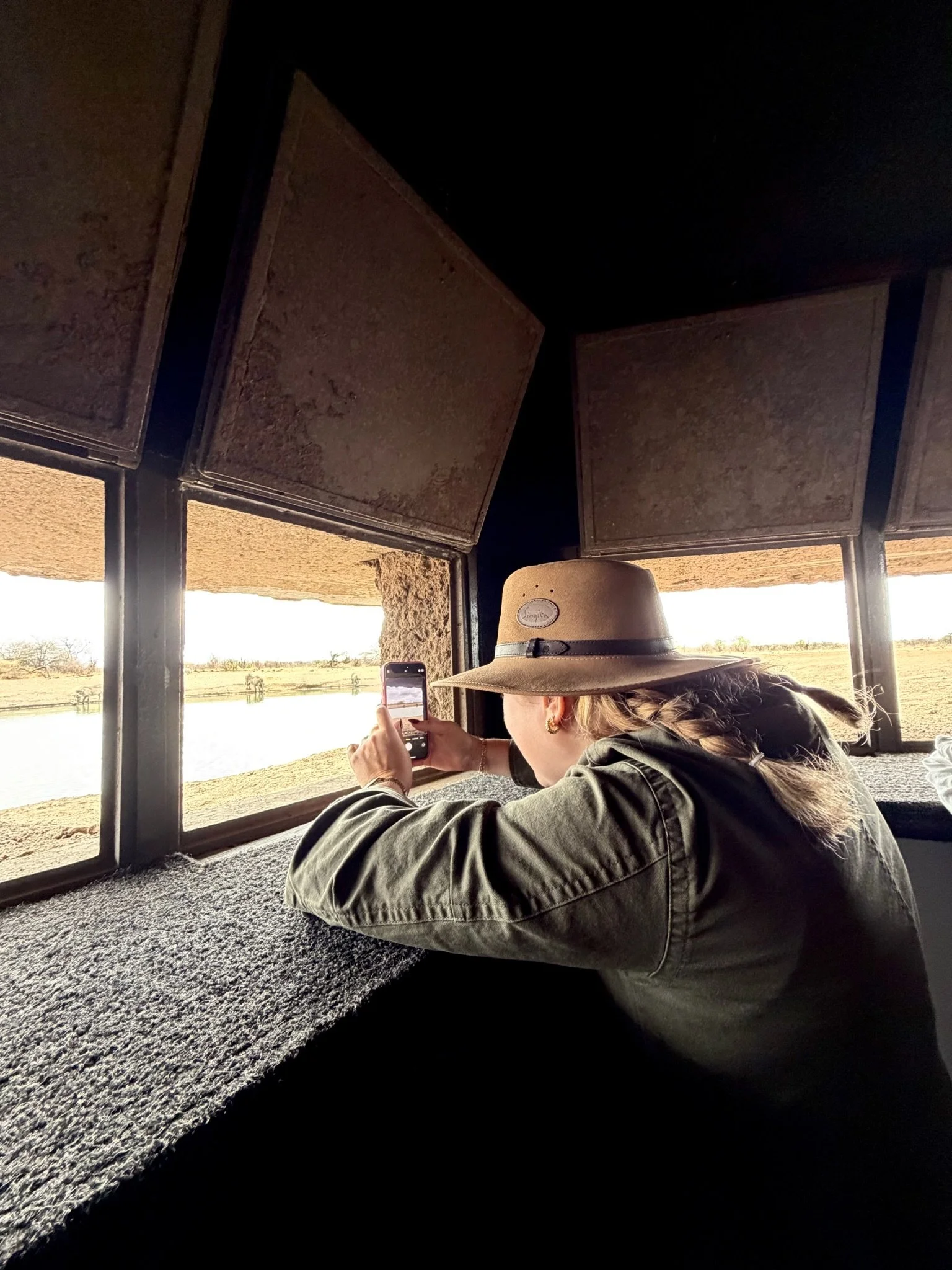
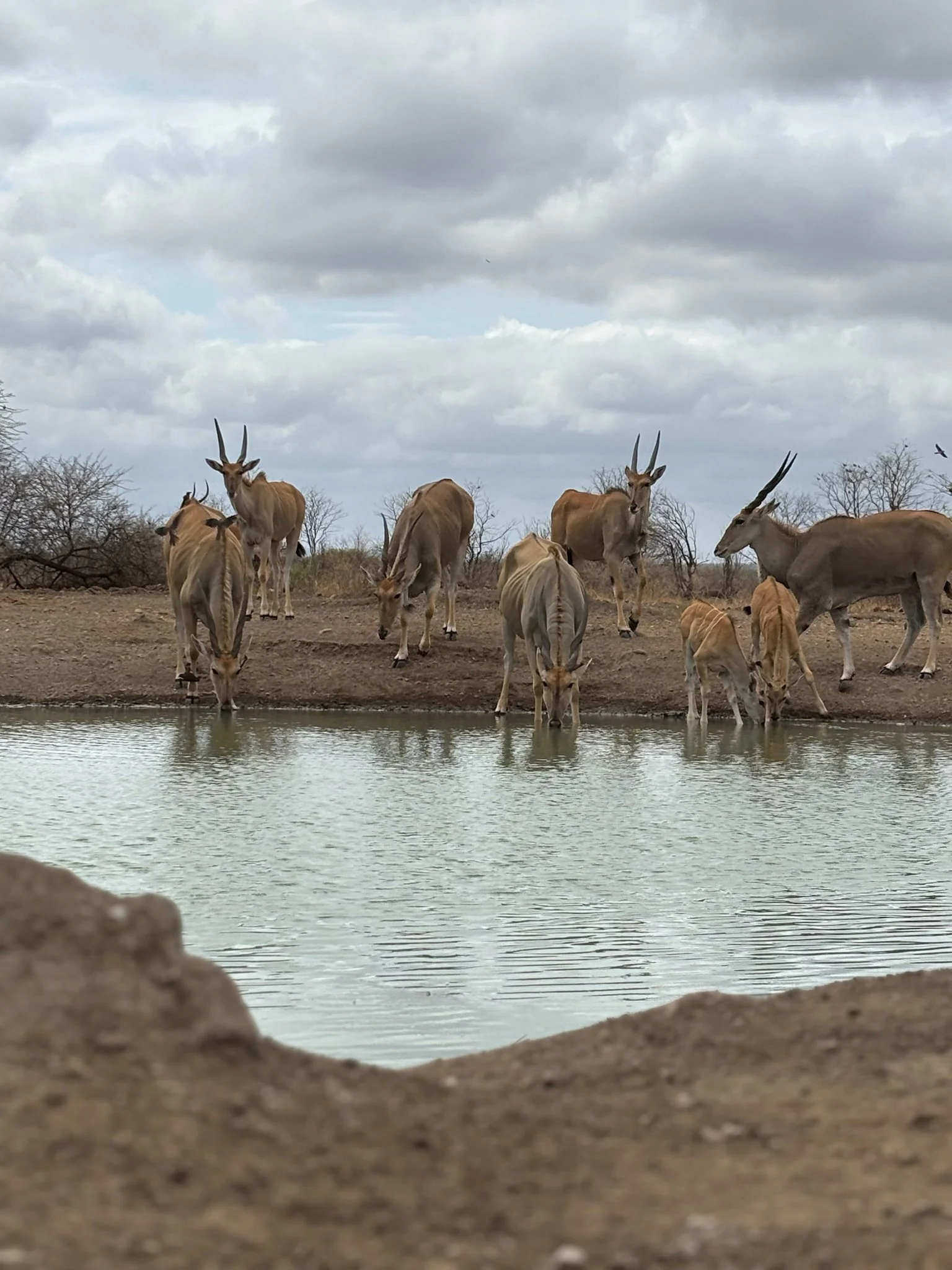
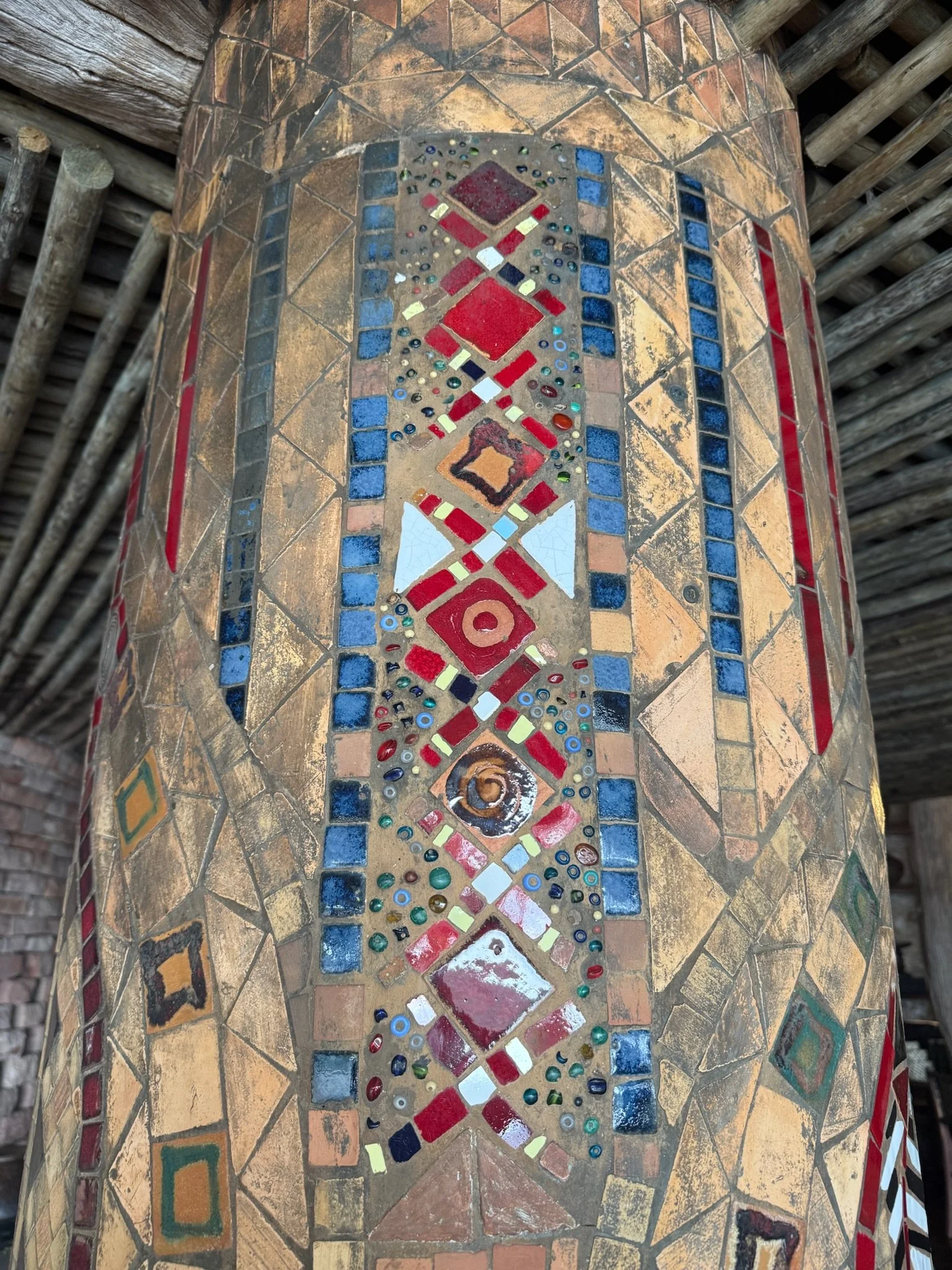
That layering of experiences is part of what makes Pamushana so memorable. The wildlife is compelling - especially the incredible rhino conservation efforts and anti-poaching unit, which allows guests to visit and learn from the rangers. But the lodge also broadens the classic safari format with time on the water, rock art visits, and one especially unforgettable feature: the hide at the watering hole, which allows visitors to observe the rhythms of the reserve at eye level and close range. “Basically, the hide is a bunker. You go inside and then you've got an amazing eye-level view of all of the animals at the watering hole. I could have stayed there all day, to be honest,” James says. “You see the zebras come, then you see the warthogs come, then you see the lions come, and some of them hang out together, some of them don't. It truly was unique and special.” The property itself feels deeply rooted in Zimbabwe, with interiors filled with indigenous craft, color, antiques, and texture. “It’s got a real sense of place,” James continues, “Grand, soulful, and wholly unlike anywhere else on the itinerary.”
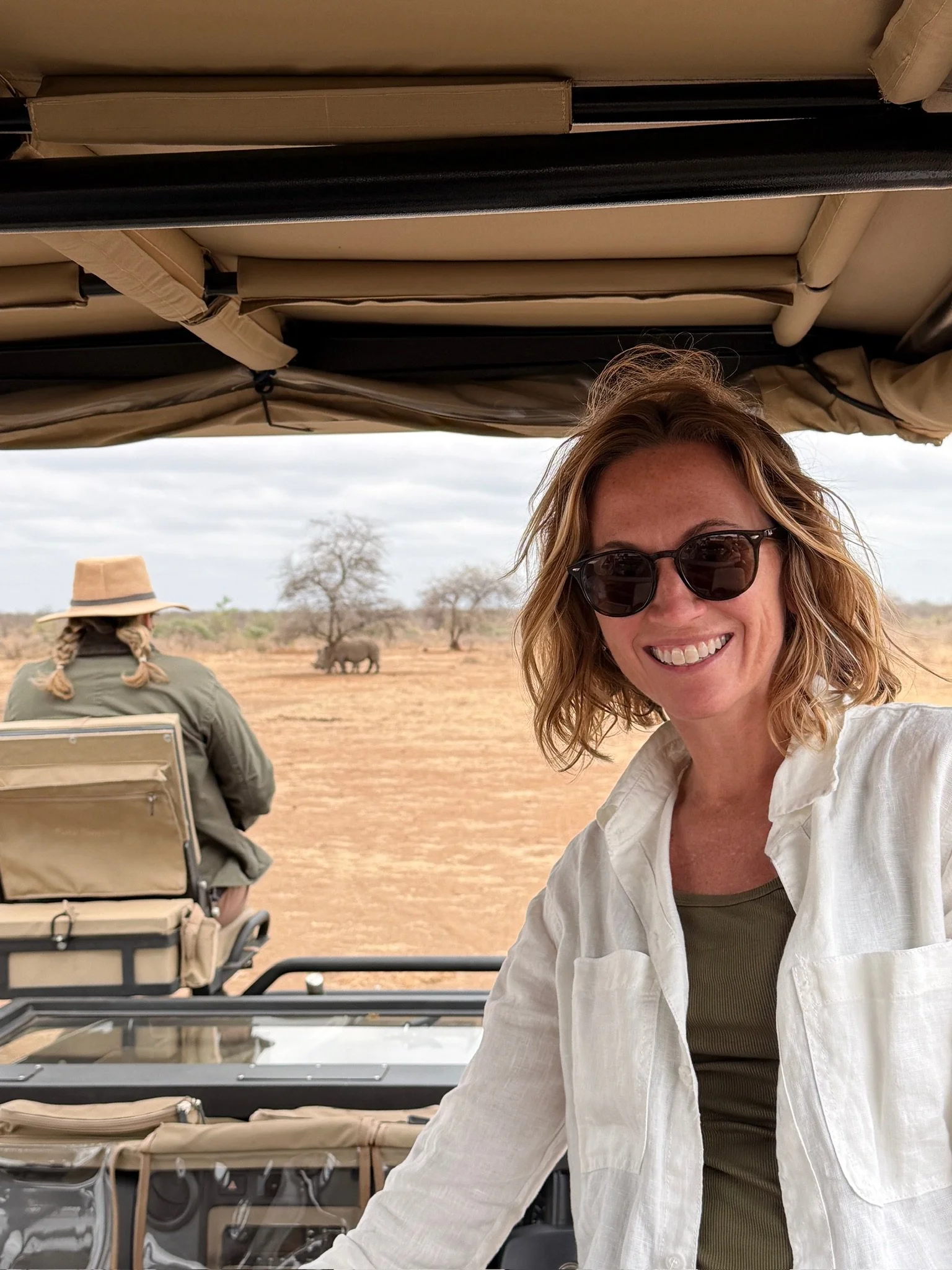


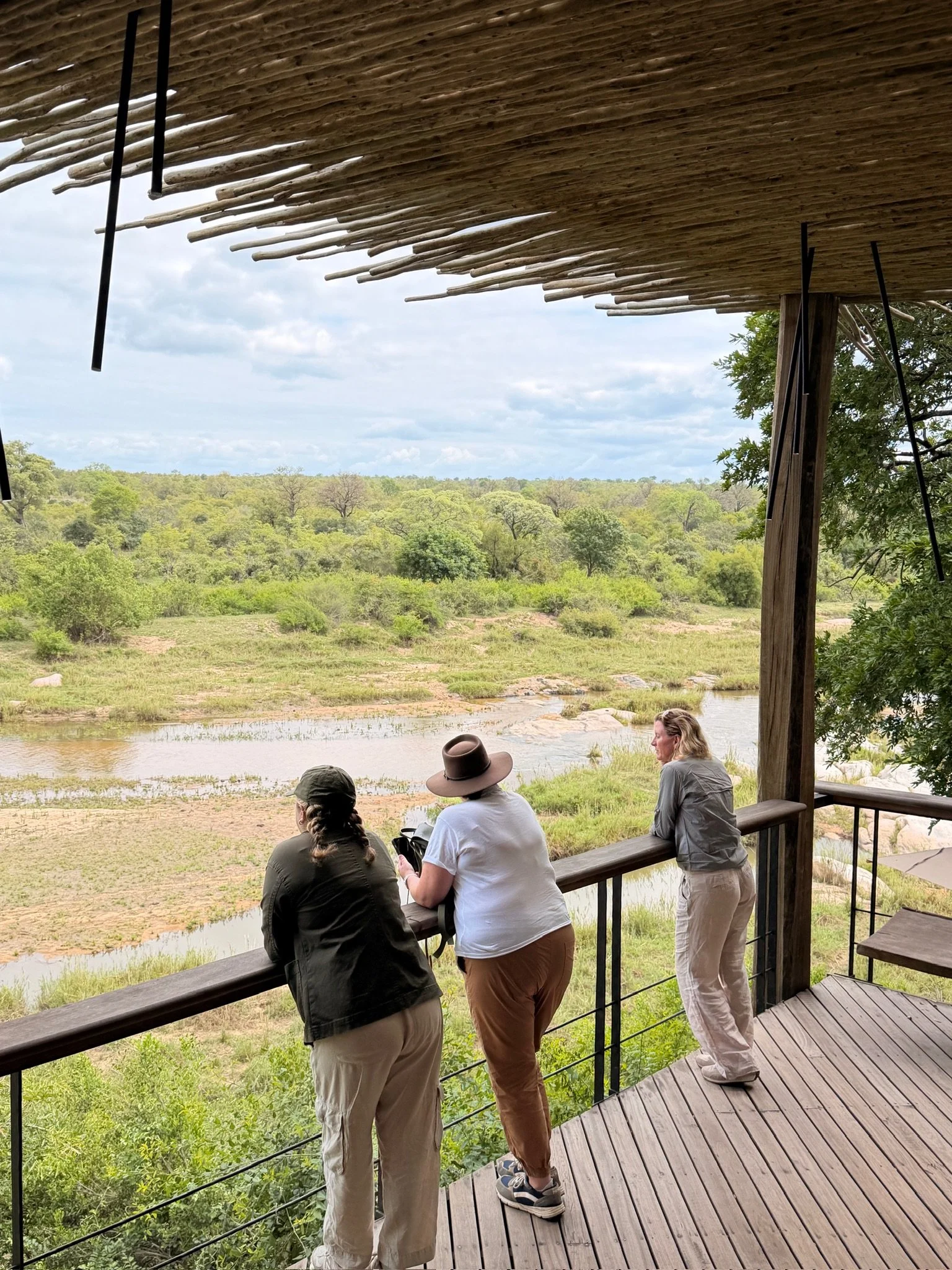
After bidding goodbye to Zim, the group moved south into South Africa and the wildlife wonderland of the vast Kruger, to Singita Lebombo. If Pamushana is about drama and depth, Lebombo is about openness. Perched above the N’wanetsi River on Singita’s private concession, the lodge feels airy and contemporary, with rooms inspired by an eagle’s nests connected by long, meandering wooden boardwalks. “I loved how open it felt,” Maggie Ryan says. “The architecture gives the property a lightness that contrasts beautifully with the dense bush below.”
Lebombo also impressed for how intimate and high-touch it felt. The guiding team left a lasting impression, and the shared energy around the lodge made the experience feel social and dynamic. “Lebombo is definitely a social lodge,” Maggie adds. “Everybody's hanging out, having coffee around the firepit in the morning, chatting.” Singita’s portfolio of lodges is polished and diverse, meaning there’s a beautiful option for any type of traveler, and Lebombo is the kind of place that works especially well for families, multigenerational groups, or social couples who like a little buzz around cocktails and dinner. There is also a strong breadth of programming beyond game drives: walking safaris, mobile tented nights, wine tastings, a community cooking school, and access to an excellent wellness and retail hub shared with neighboring Sweni.
But it was the landscapes and game drive experience around the lodge that the group found to be the best surprise. Given the infrastructure and access, the Kruger can sometimes get a rap as crowded with self-drive safari goers, piercing the idyll of a quiet morning in the bush. But Singita’s private concession adjacent to the national park means the experience was the opposite. “I think after having gone on safari in Botswana and Tanzania, I thought Kruger was going to feel really Disney-ish,” Alex says. “But it actually felt very special and intimate and really high quality.”
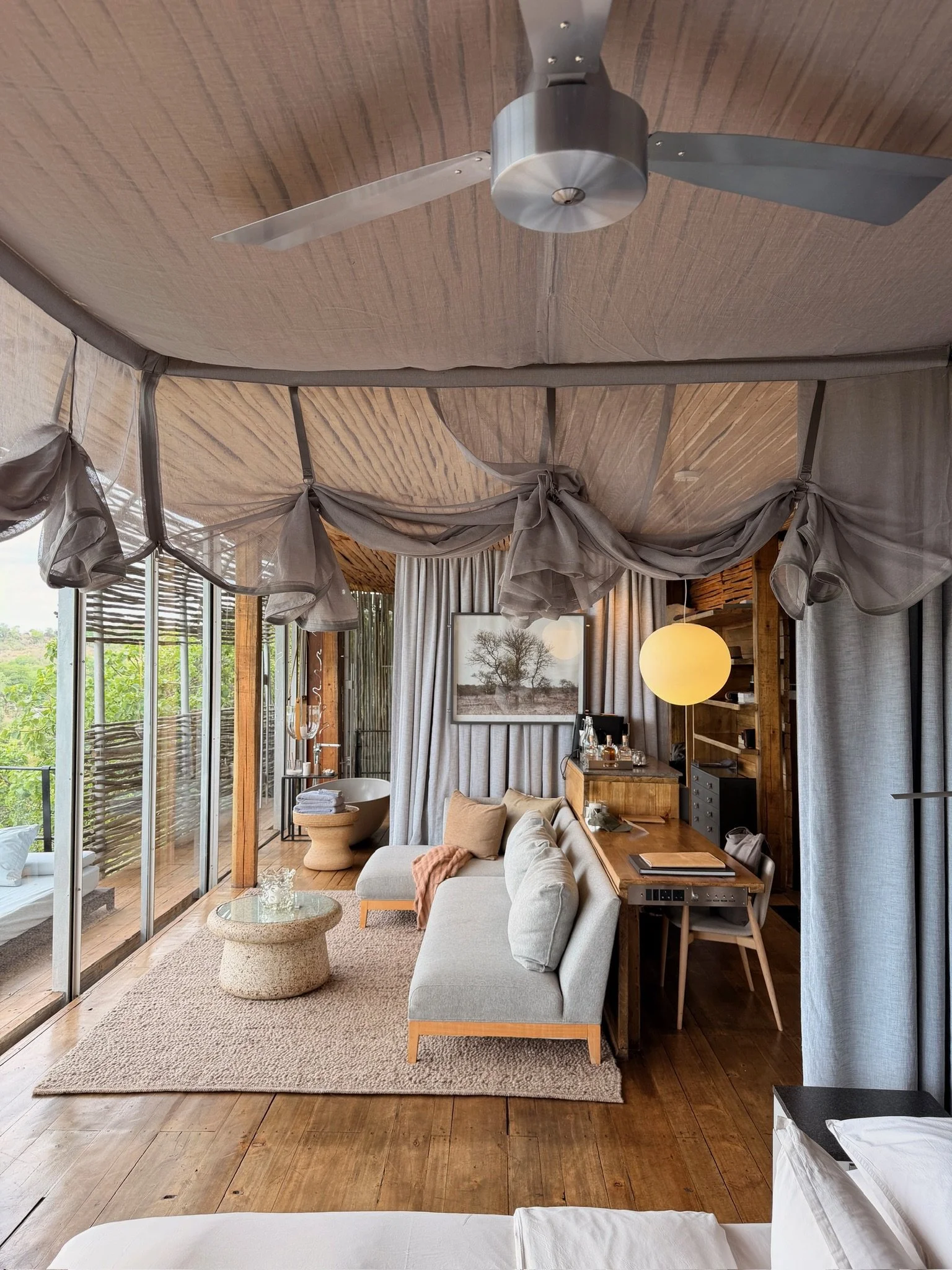
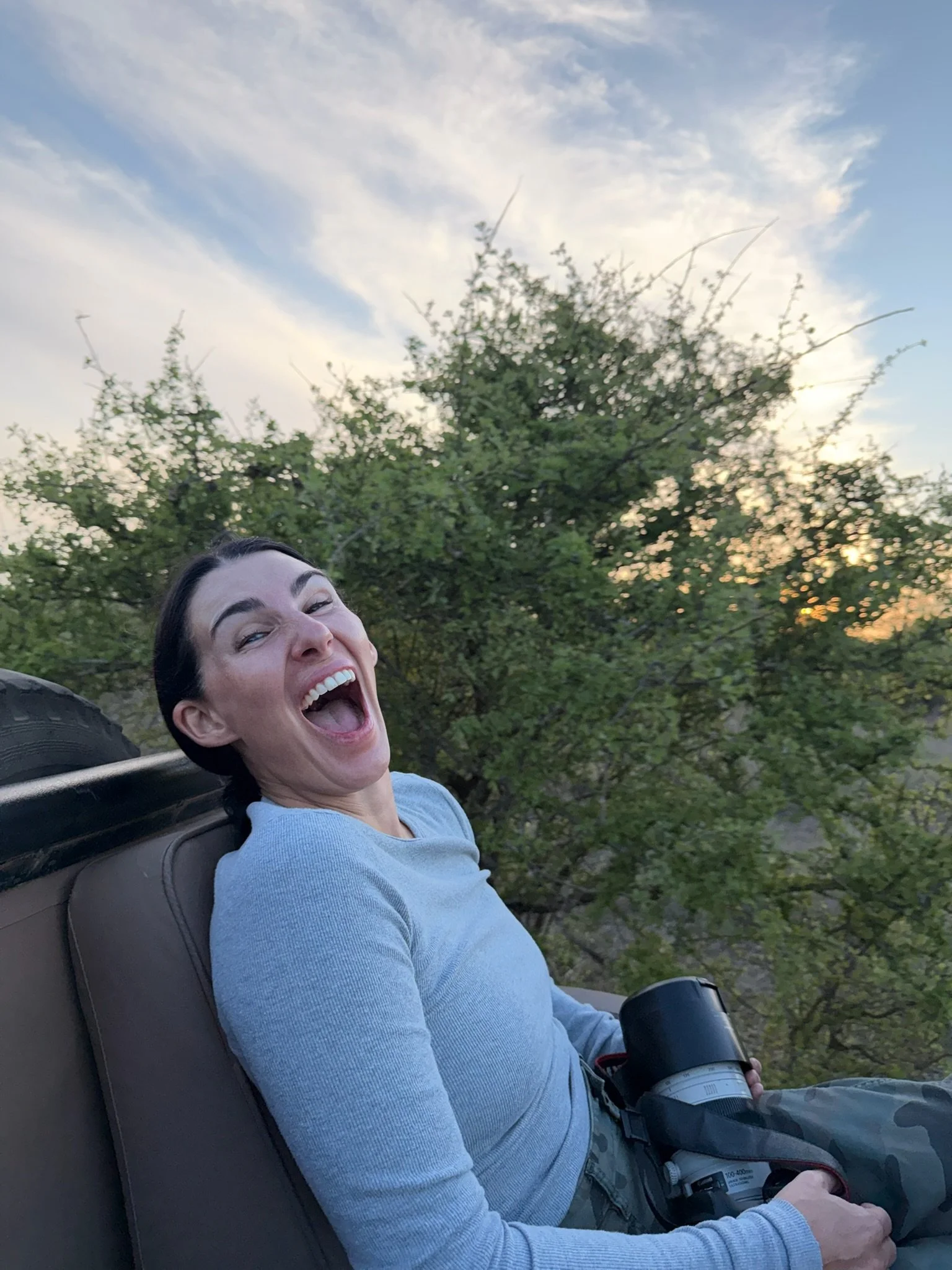
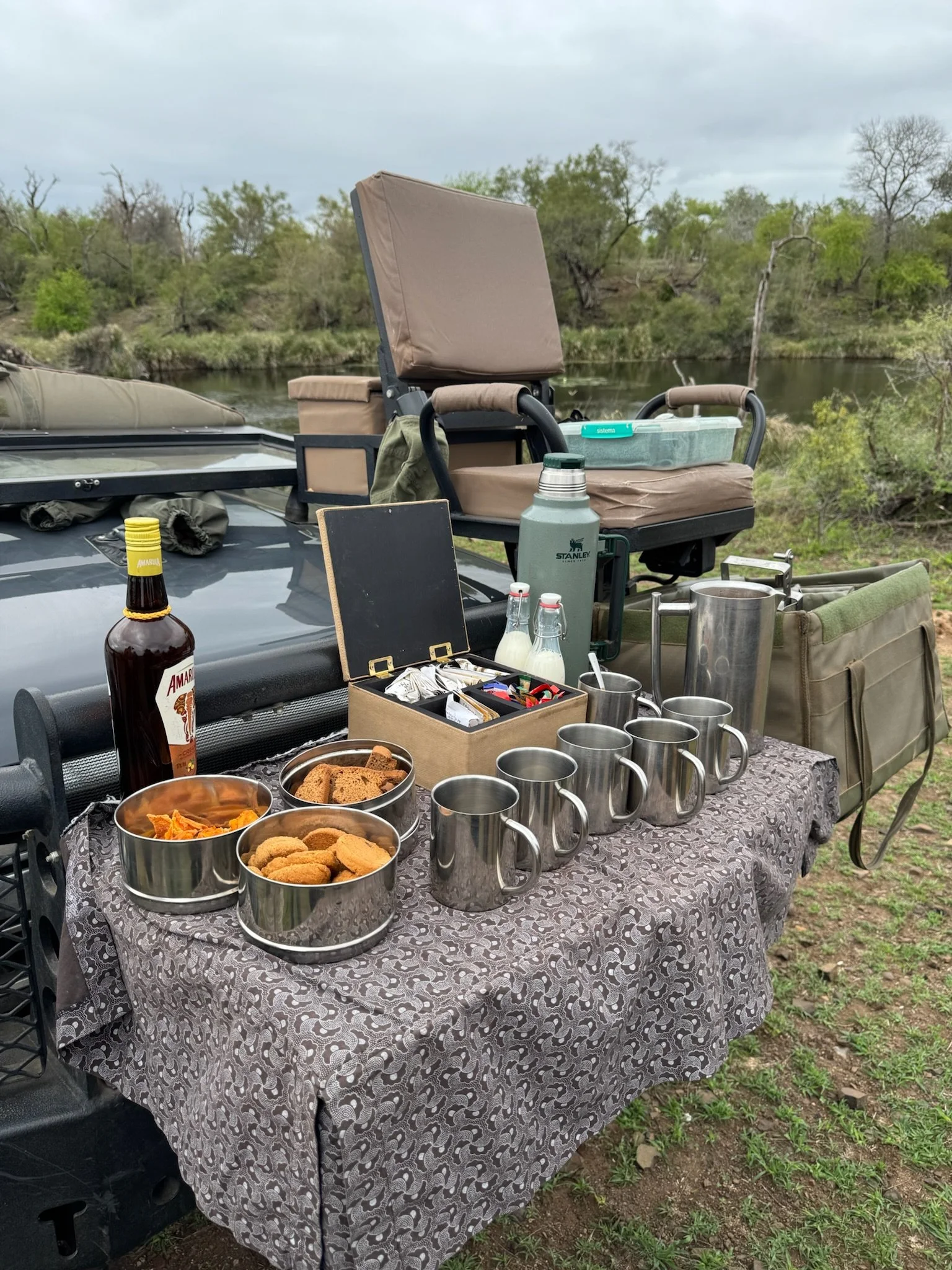
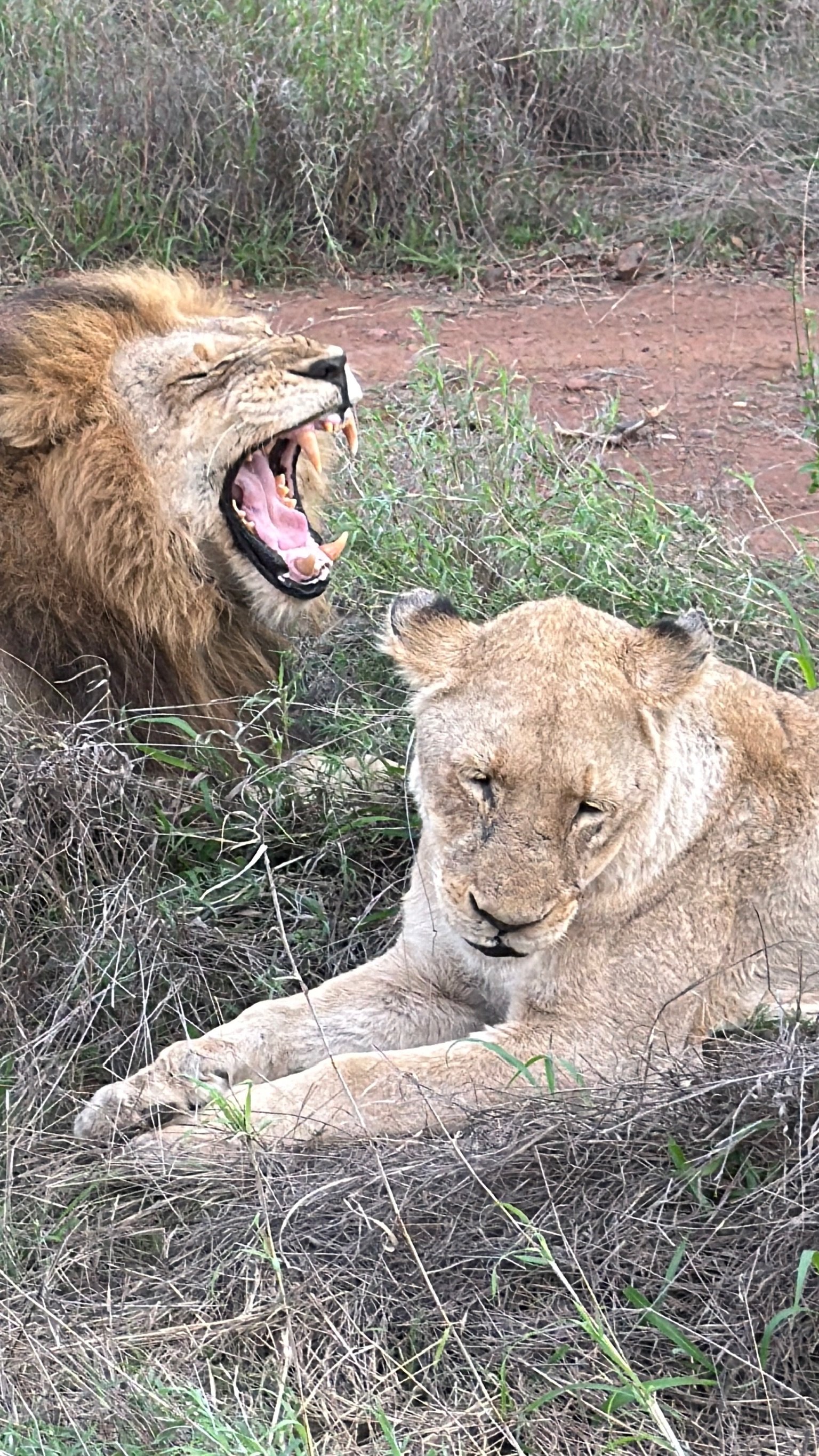
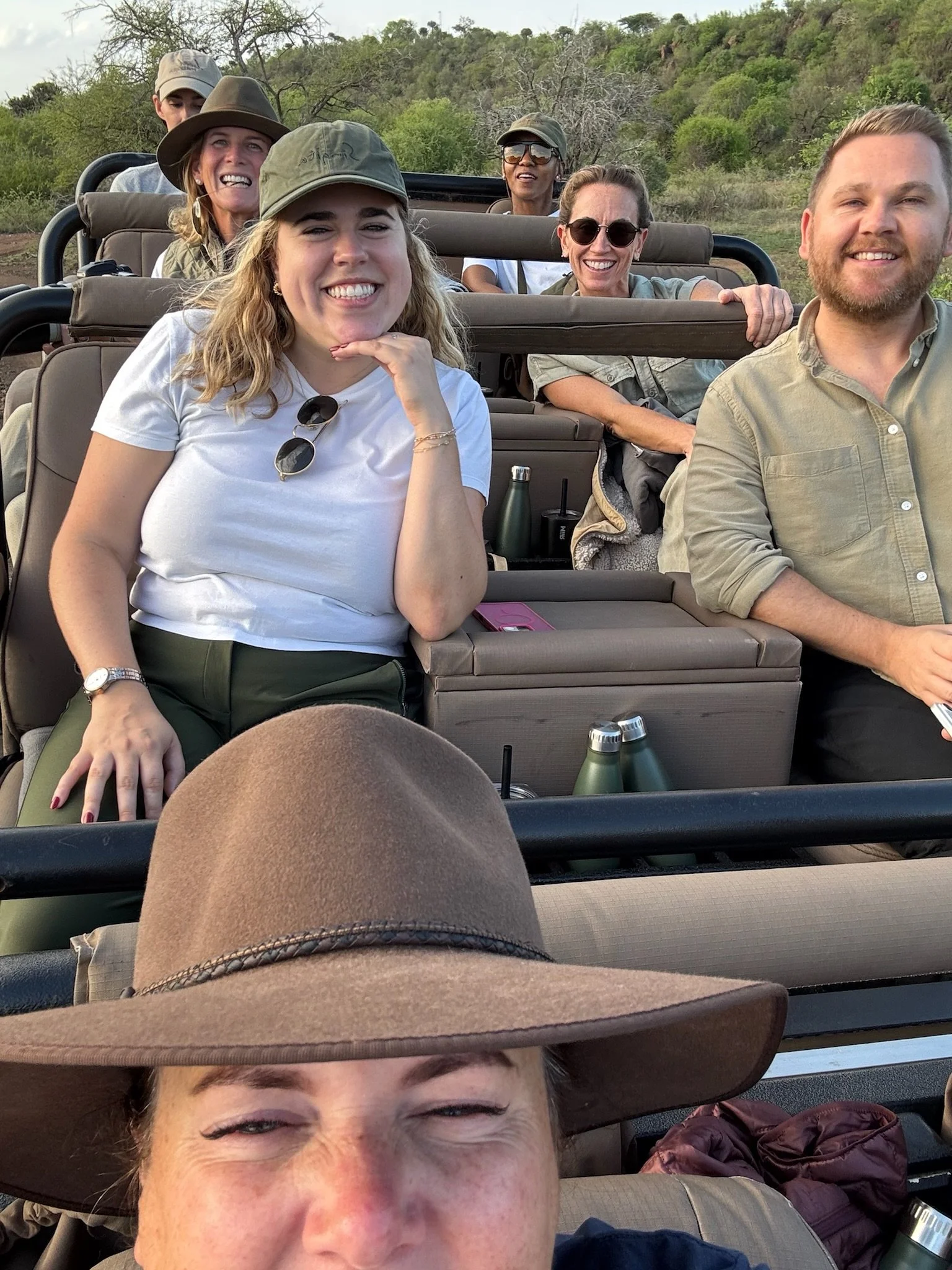
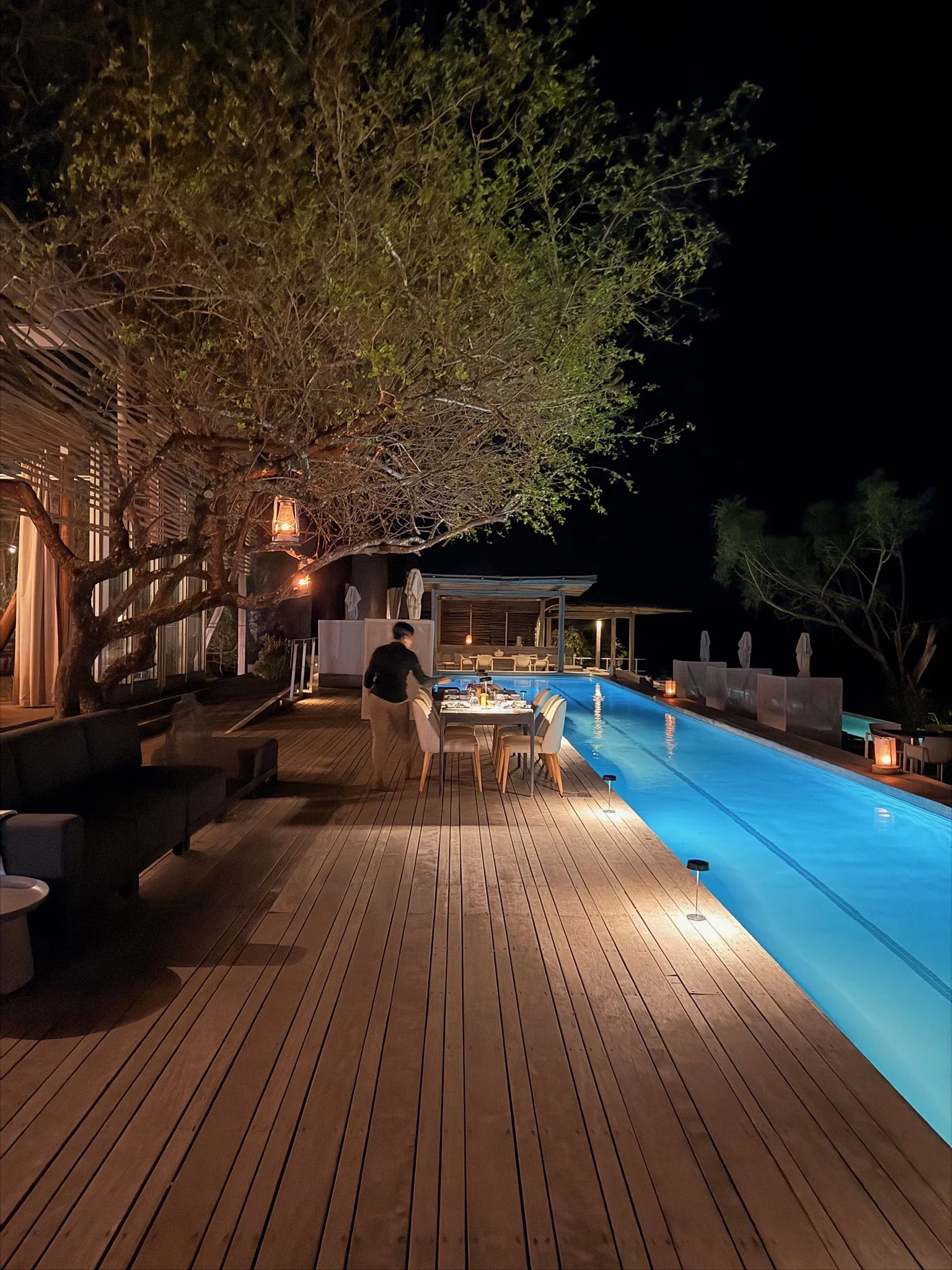

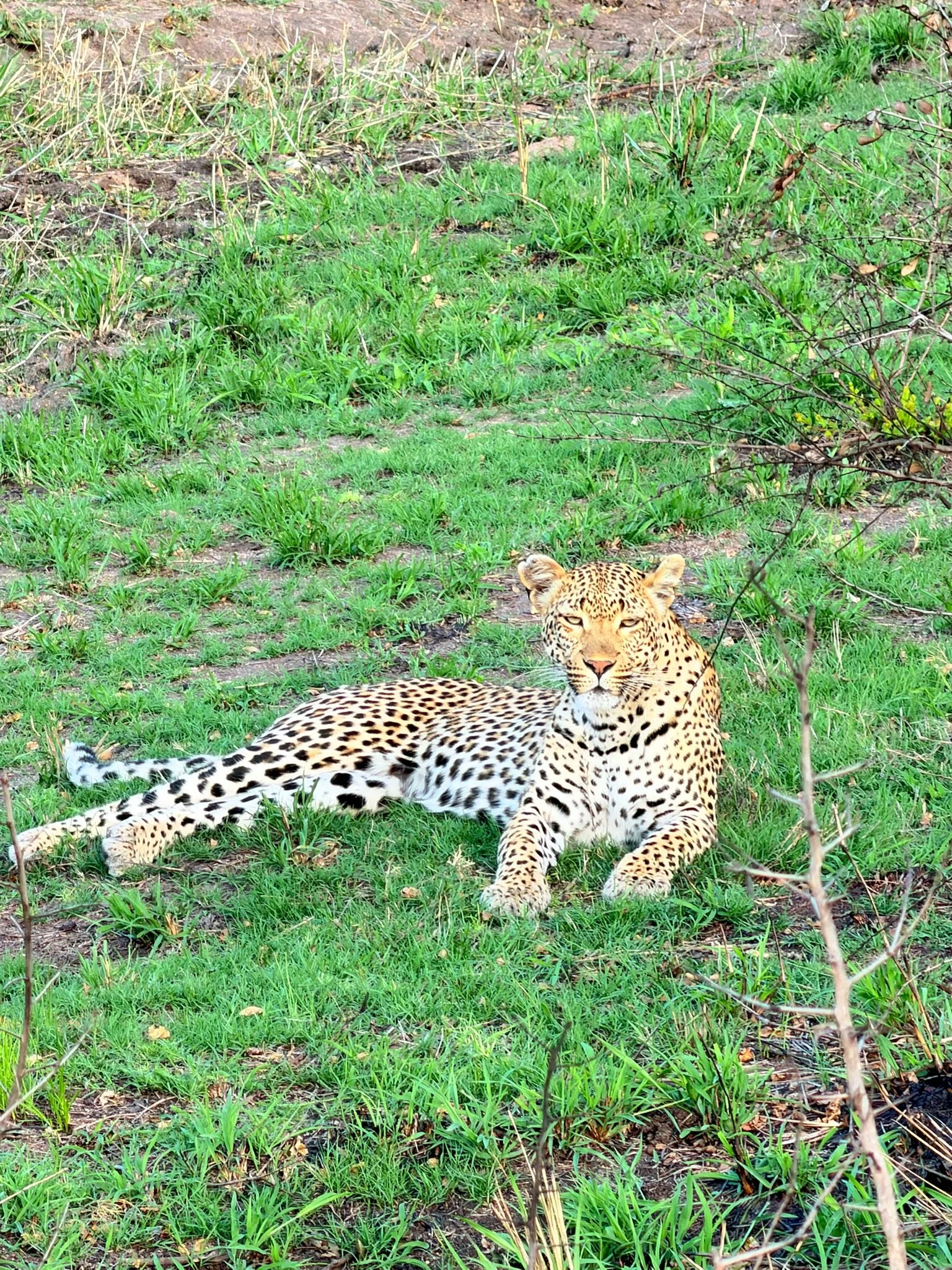
60 miles southwest of Lebombo, which is known for its lion sightings, you’ll find the Sabi Sand, known for its leopards. This is where Singita got its start, when the company’s first lodge, Ebony, opened its doors in 1993. If Lebombo feels expansive and modern, Ebony is a cocoon, where interiors, river views, and beautifully considered suites encourage you to settle in. Kate Mitchell called it her favorite single-room lodge of the trip, in part because of how many inviting common areas it offered. “The rooms at Ebony are beautiful, but there are also so many beautifully situated common spaces throughout the lodge where you can sit with a tea or a gin and tonic and take in the experience of just being in Africa,” she says.
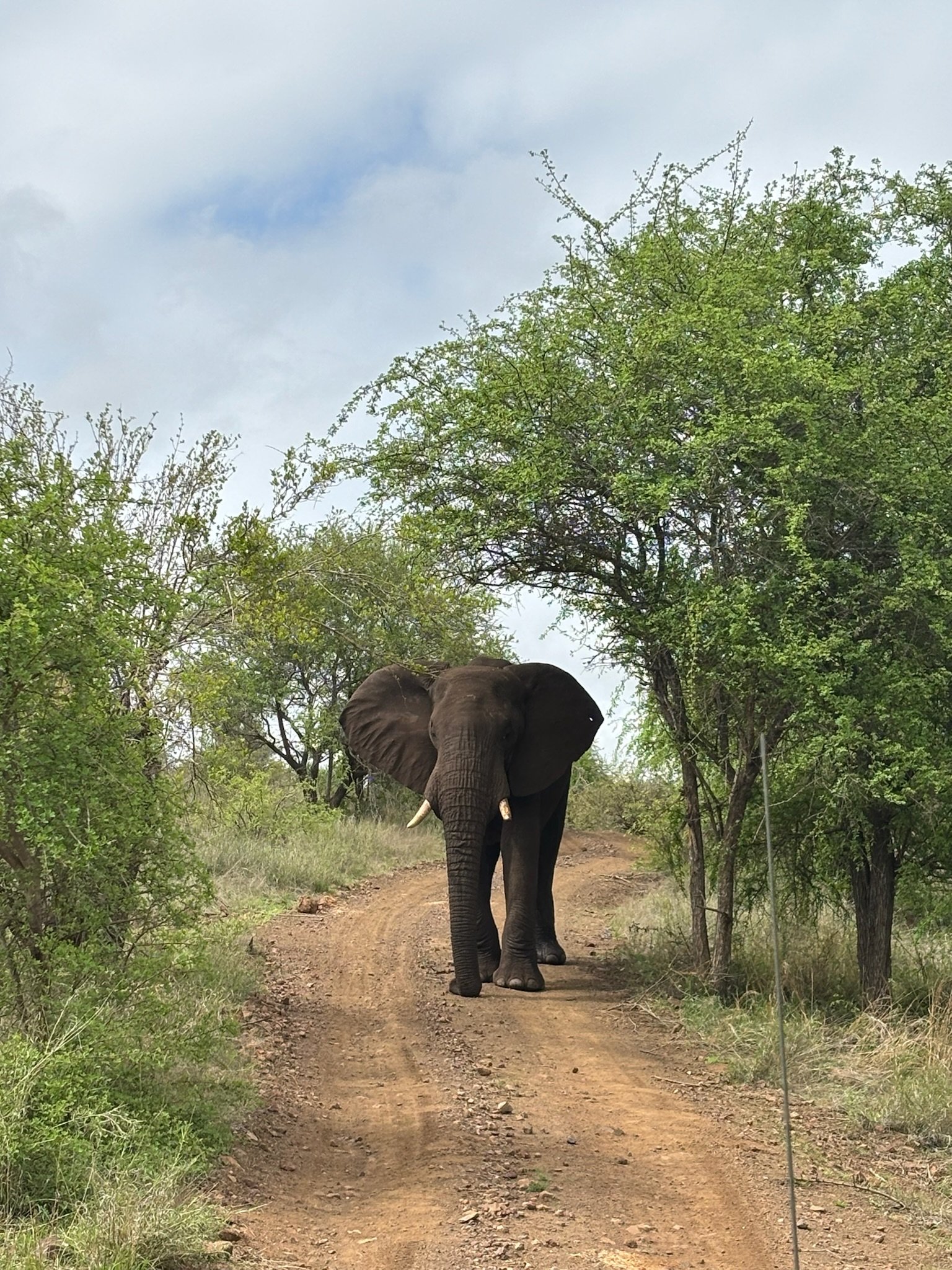
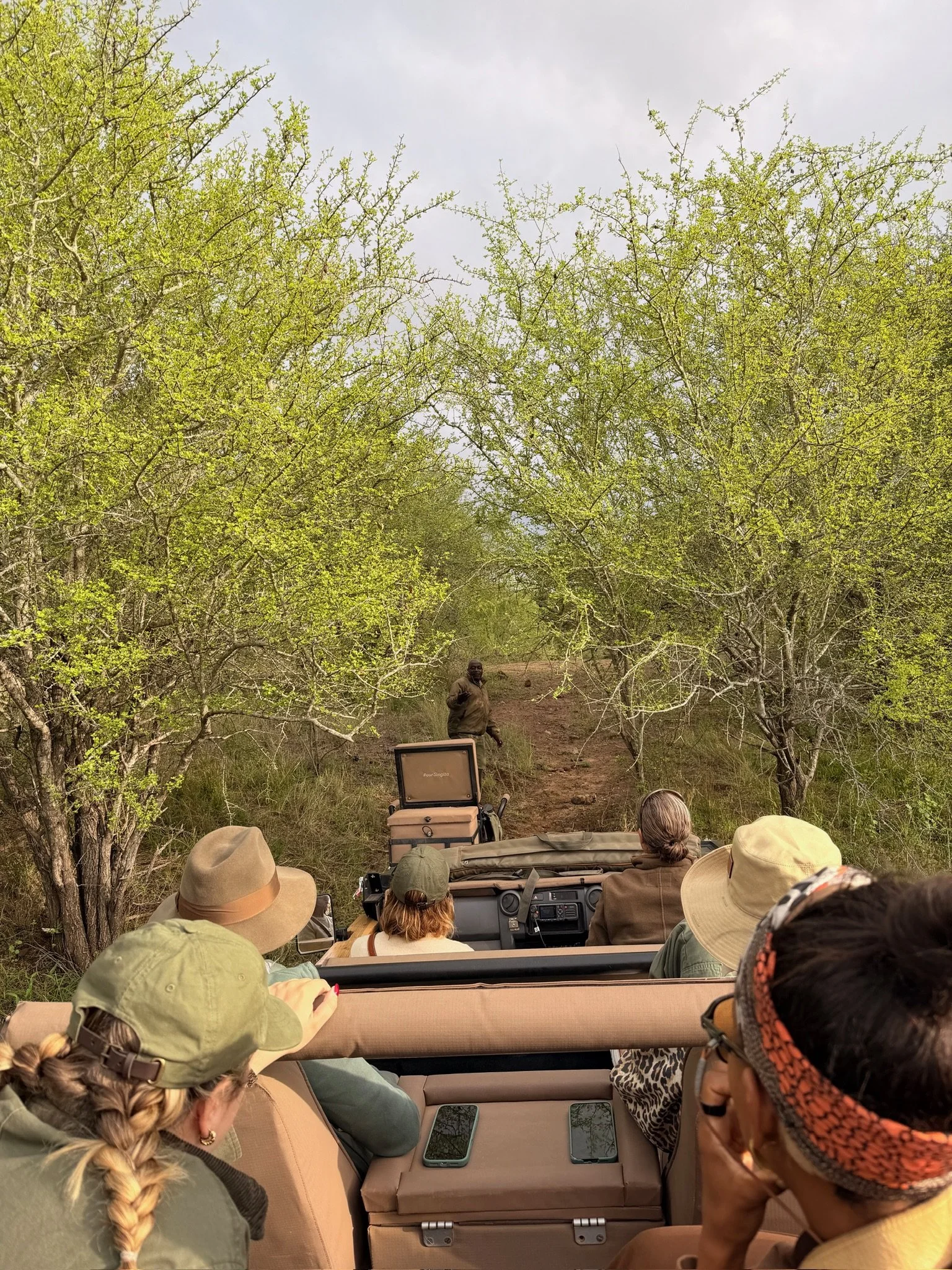
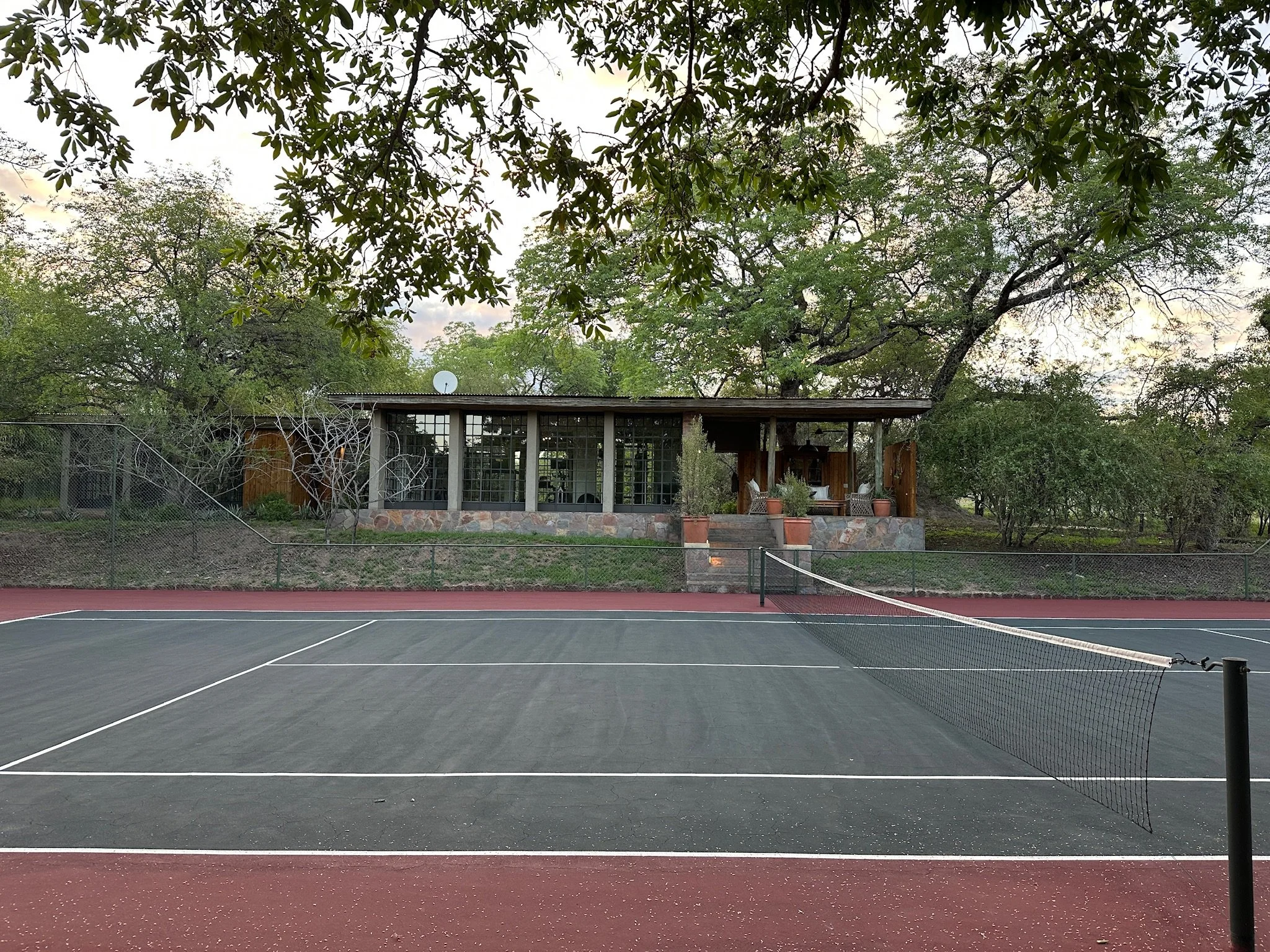
Ebony’s setting along the Sand River means the safari experience extends beyond the game vehicle. “From each lodge we experienced in South Africa, you can see amazing game from the lodge itself, from your room, from the common areas. So you can actually be on safari the minute you wake up to the minute you go to bed,” James says. During their time at Ebony, the group also experienced its sister lodge, Boulders, and Castleton, an exclusive-use six-bedroom lodge a short game drive away, complete with its own tennis court and a sprawling lawn overlooking a vast watering hole. “I loved Castleton because it felt very ‘choose your own adventure’ - it's your own camp. So if you want to do one game drive at a certain time, or if you want to not go out at all and instead have a whole day-long tennis tournament, you can do that. If you want to do spa, if you want to just hang out by the pool - it’s tailored to exactly what your group wants to do. Plus, the design and just the overall vibe was perfect. Everything felt very thoughtful,” Kate says.
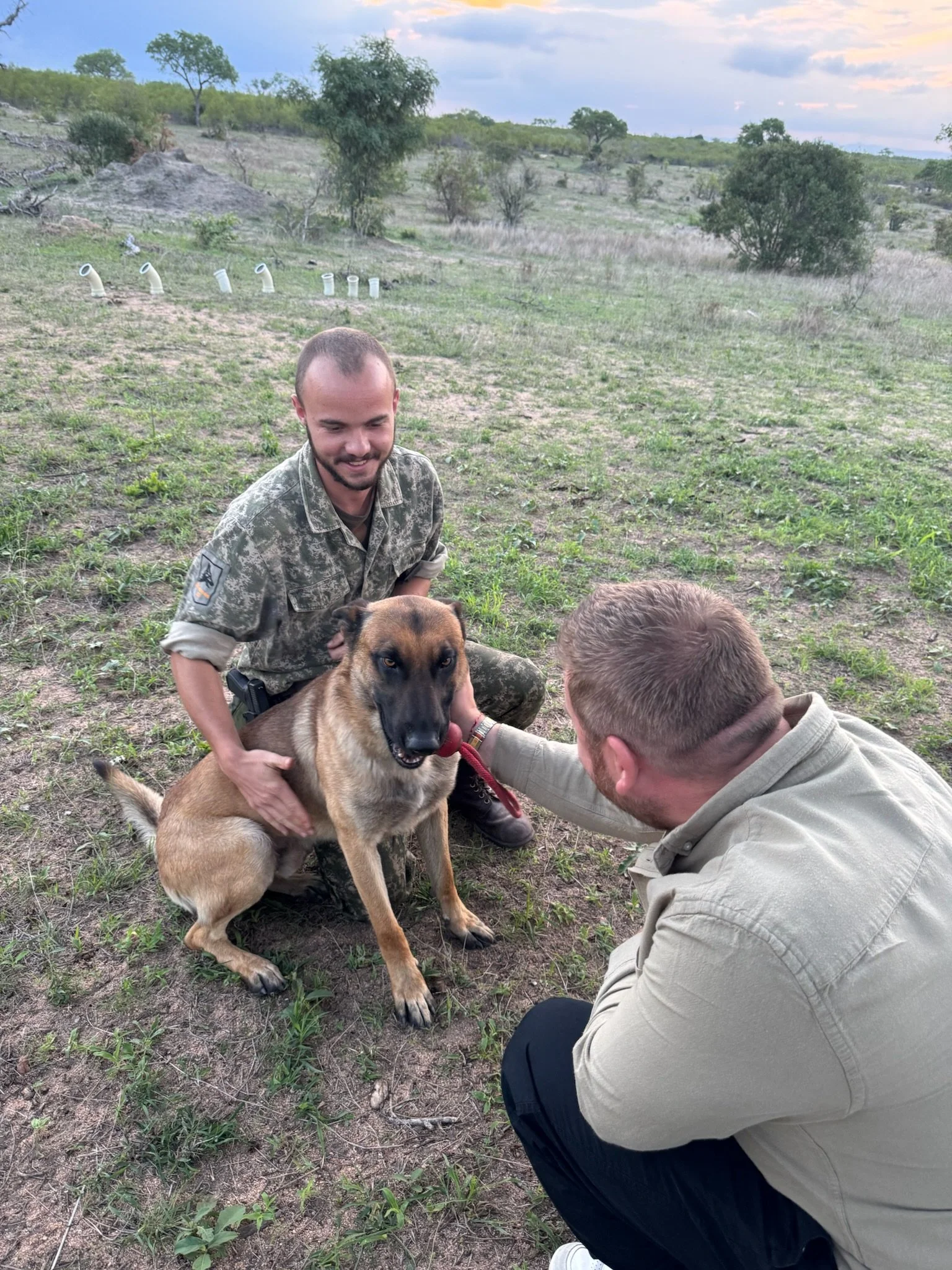
The group’s time in the Sabi Sand also offered one of the trip’s most powerful conservation moments. Singita’s canine anti-poaching experience was a moving reminder that safari at this level is not only about hospitality, but also about stewardship. Jo Bailes, Singita’s CEO, speaks of the company’s 100-year purpose as a force of conservation first and foremost.
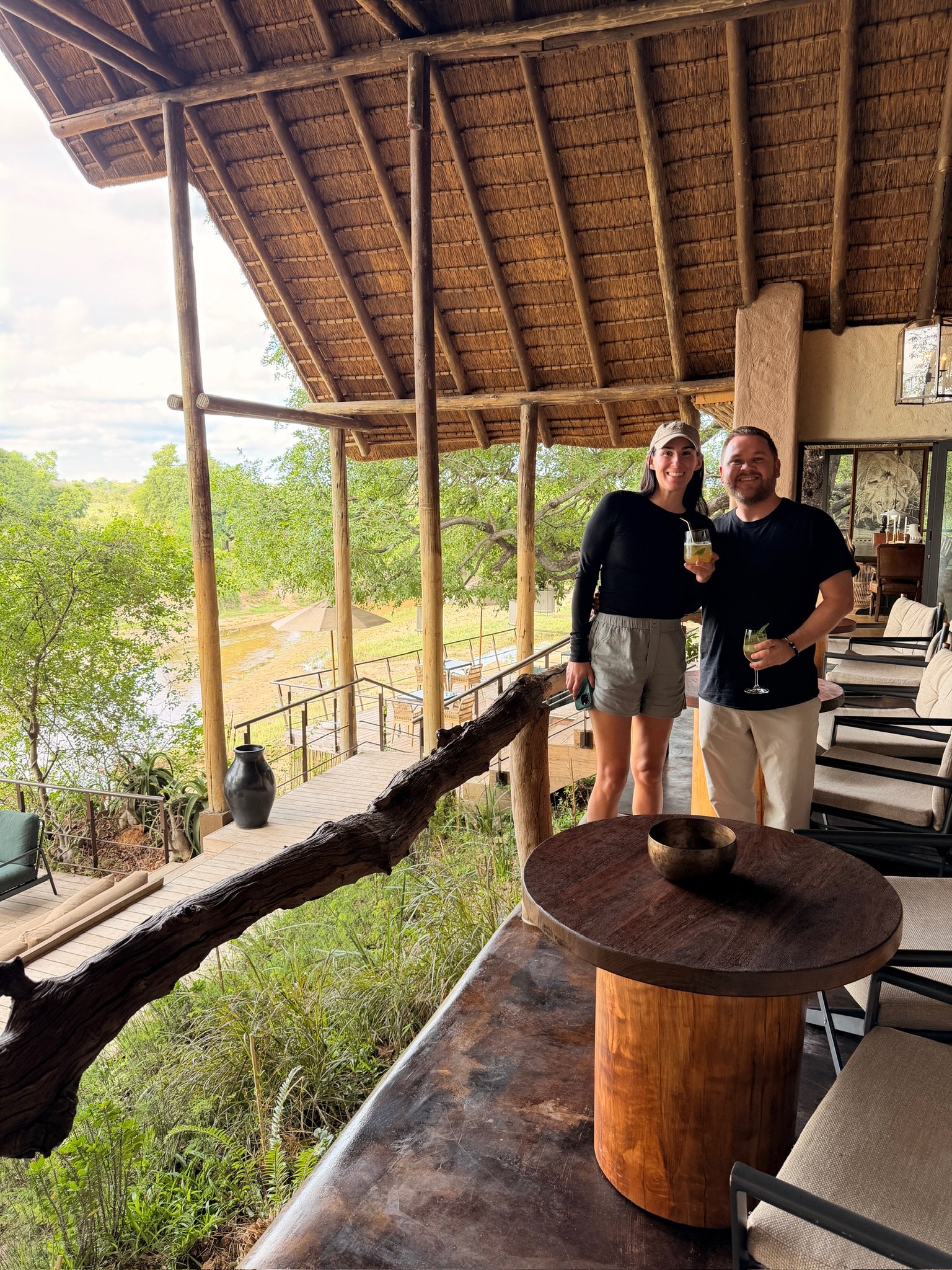
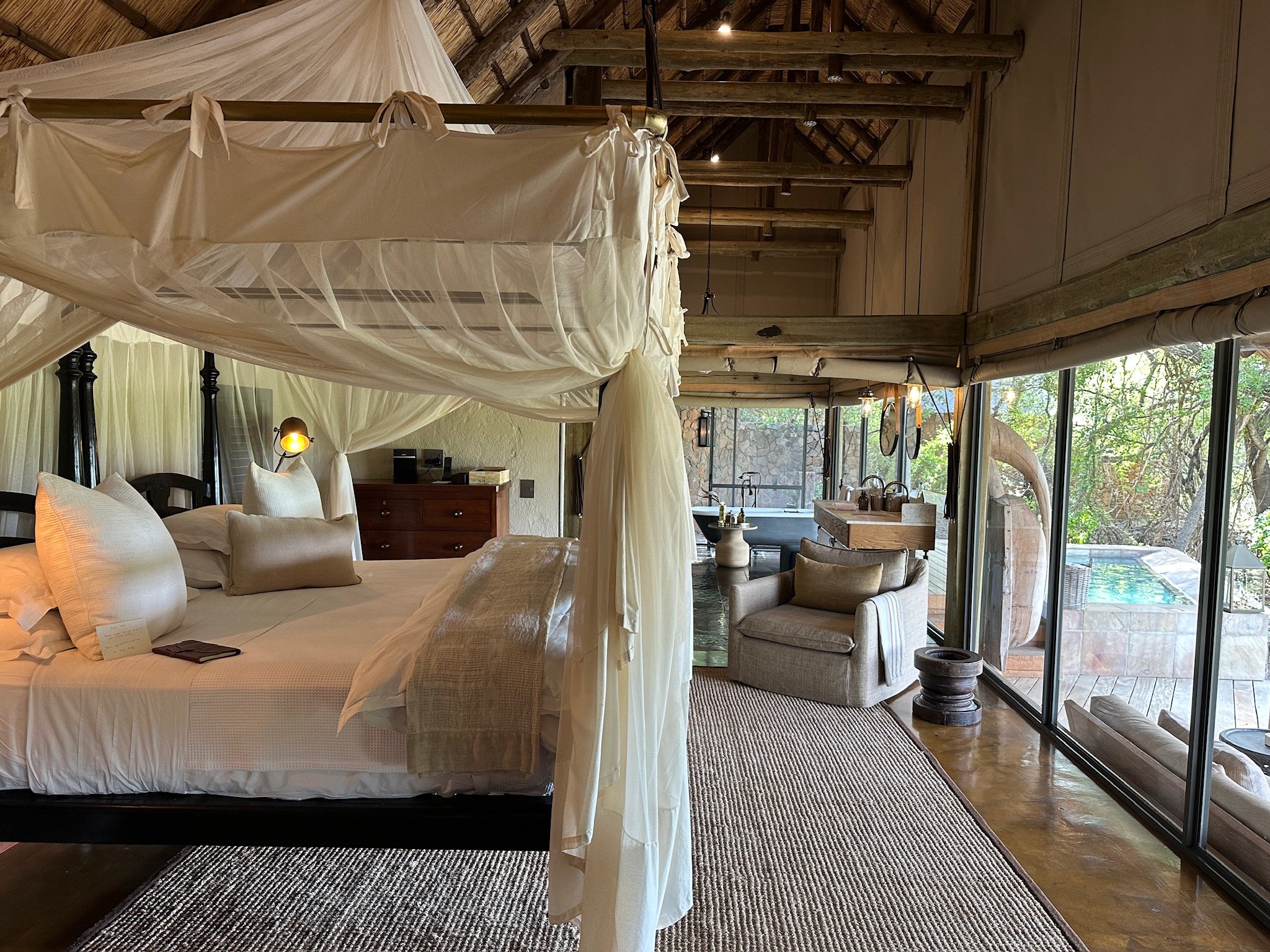

After several exhilarating days in the bush, the trip pivoted next to the Winelands, landing at the vibrant, baroque eden that is the Royal Portfolio’s La Residence. In the hamlet of Franschhoek, La Residence was a great tonal shift after safari. Surrounded by vineyards and mountains, it offers a theatrical, transportive sense of arrival. Meg Nolan, one of Local Foreigner’s top wine experts, described it as “perhaps one of the more opulent properties one will ever stay at.” Everything here is turned up a notch: color, antiques, floral arrangements, views, atmosphere. For couples especially, it is a great celebratory stop, but families can also settle into the vineyard suites or the exclusive-use Franschhoek House. Maggie was ready to settle in and slow down after the action of safari. “Ending a trip at La Residence is perfect. It’s really lovely to just do nothing.”
From there, they continued to Cape Town, staying on the V&A Waterfront within the dramatic towers of the Silo, and using it as a base to explore one of the world’s most dynamic cities. The Mother City is ringed by mountains and flanked by the sea, shaped by a balance of urban edge and natural beauty. Table Mountain, the coastline, the creative energy, and the sheer number of day trips available all reinforced why Cape Town remains such an essential complement to safari. “The Silo sits above the Zeitz Museum of Contemporary Art Africa, and the art throughout the hotel is also fabulous. Along with the architecture, which is meant to mirror a lantern floating above the ocean, it’s a very cool option for travelers who are into contemporary design,” says Alex Kramer.


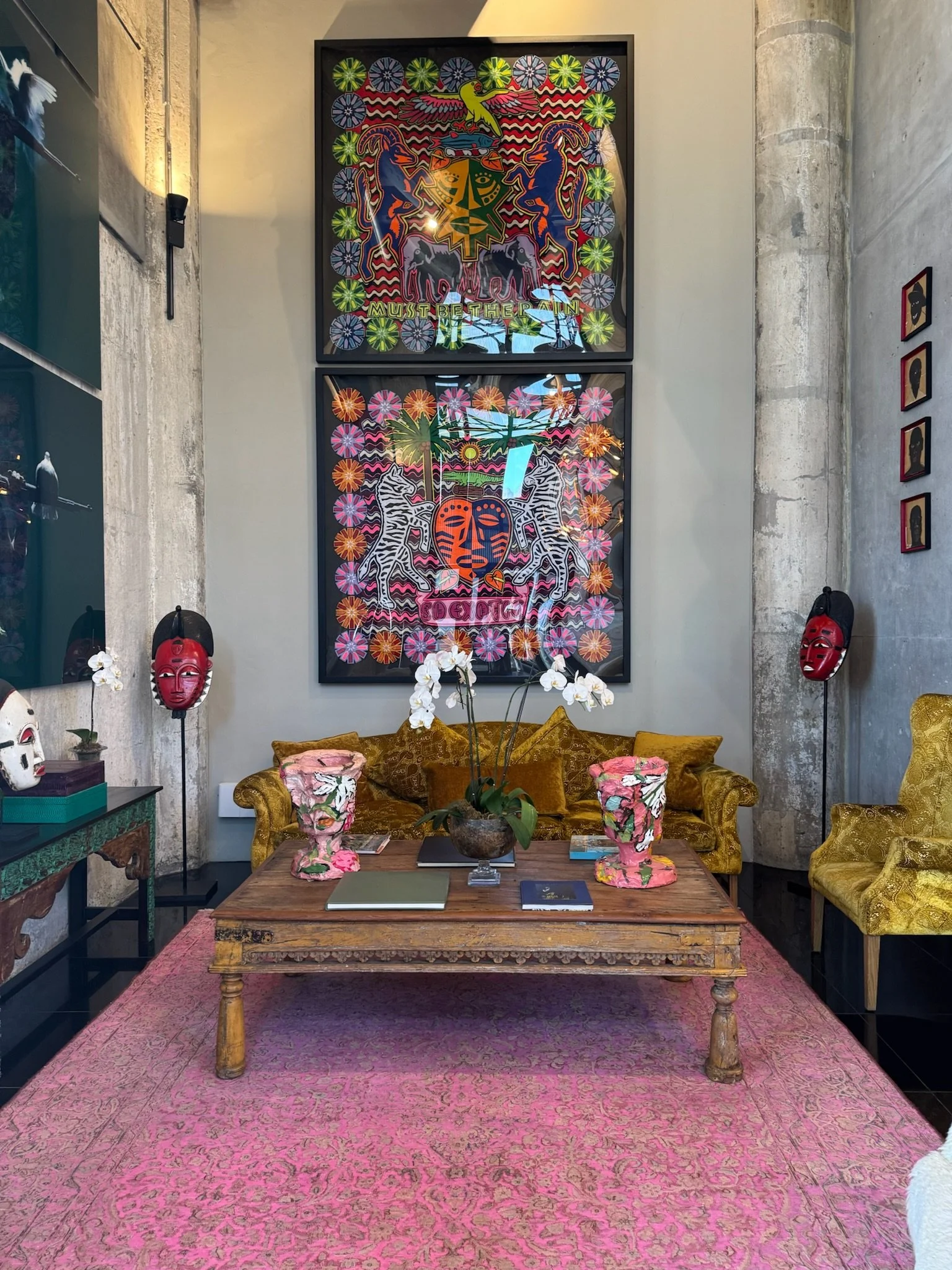
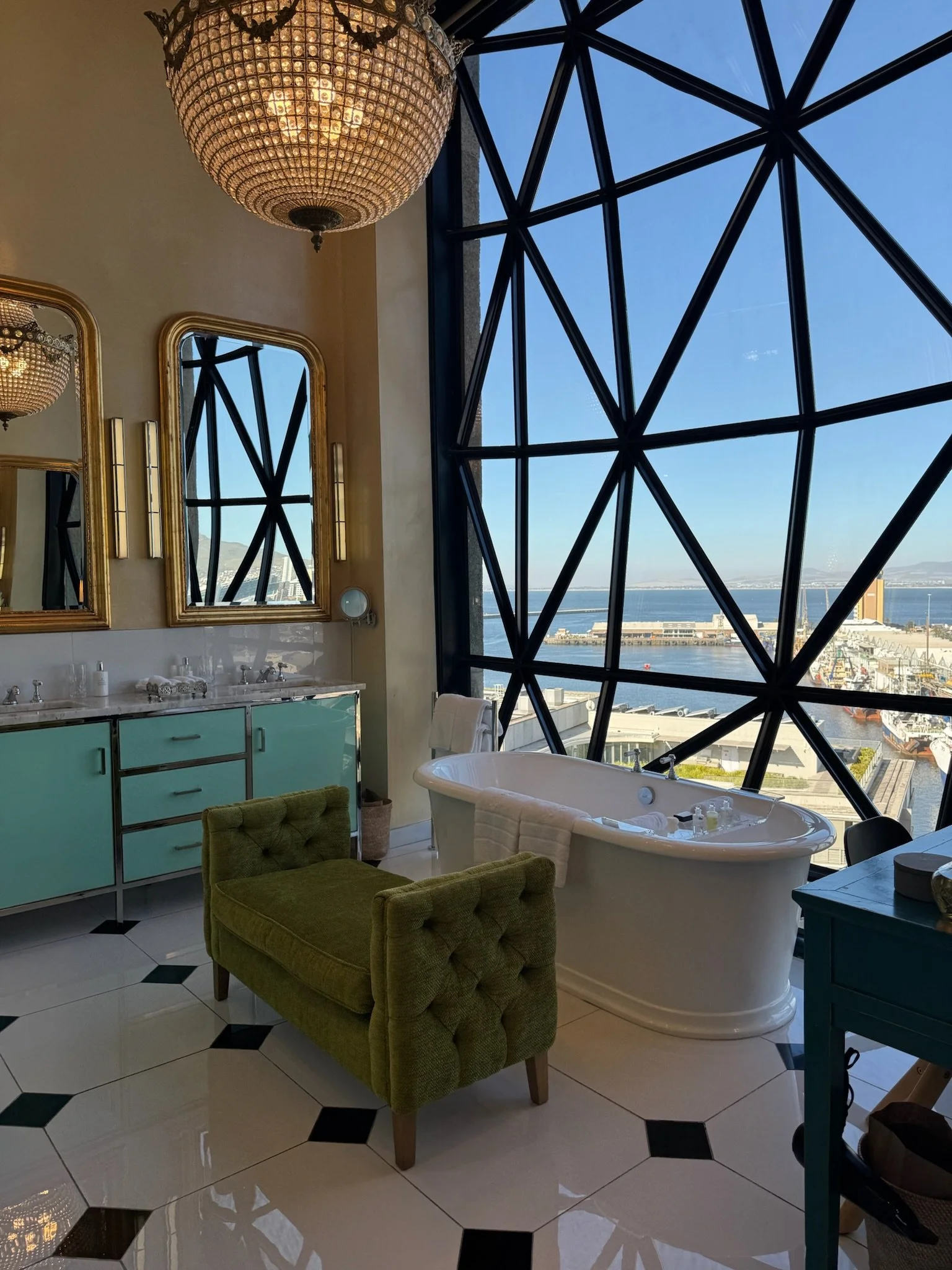
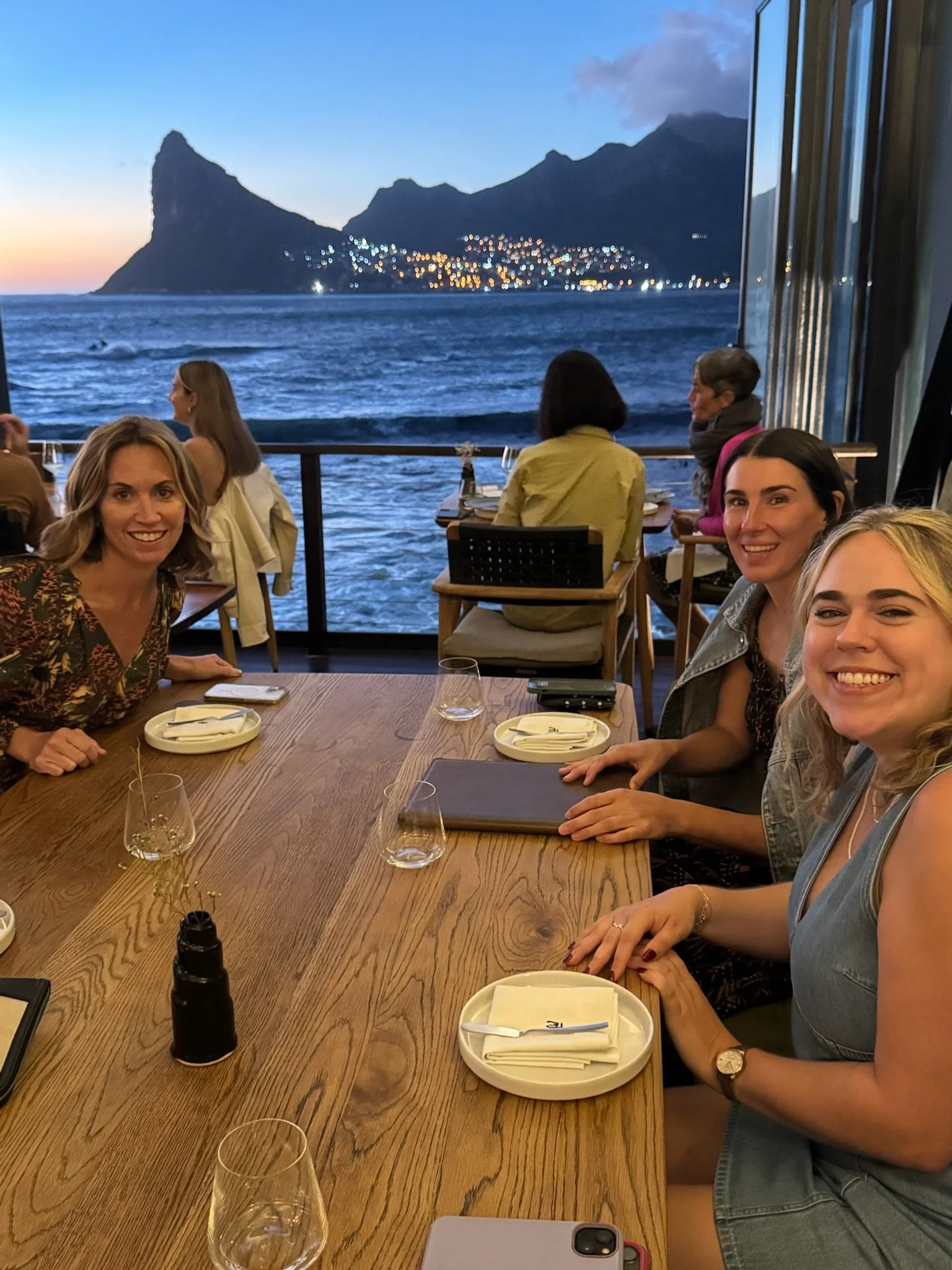
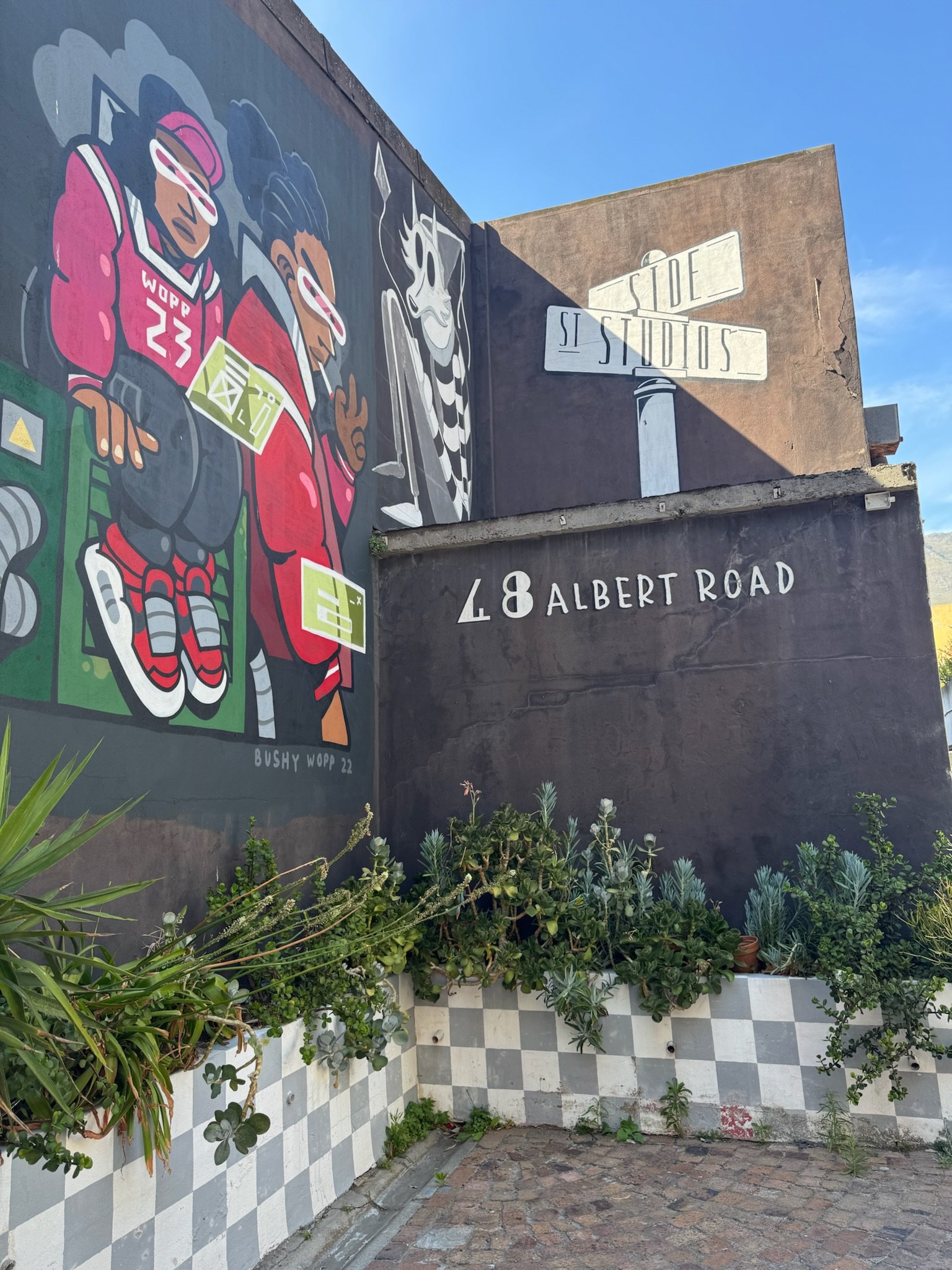
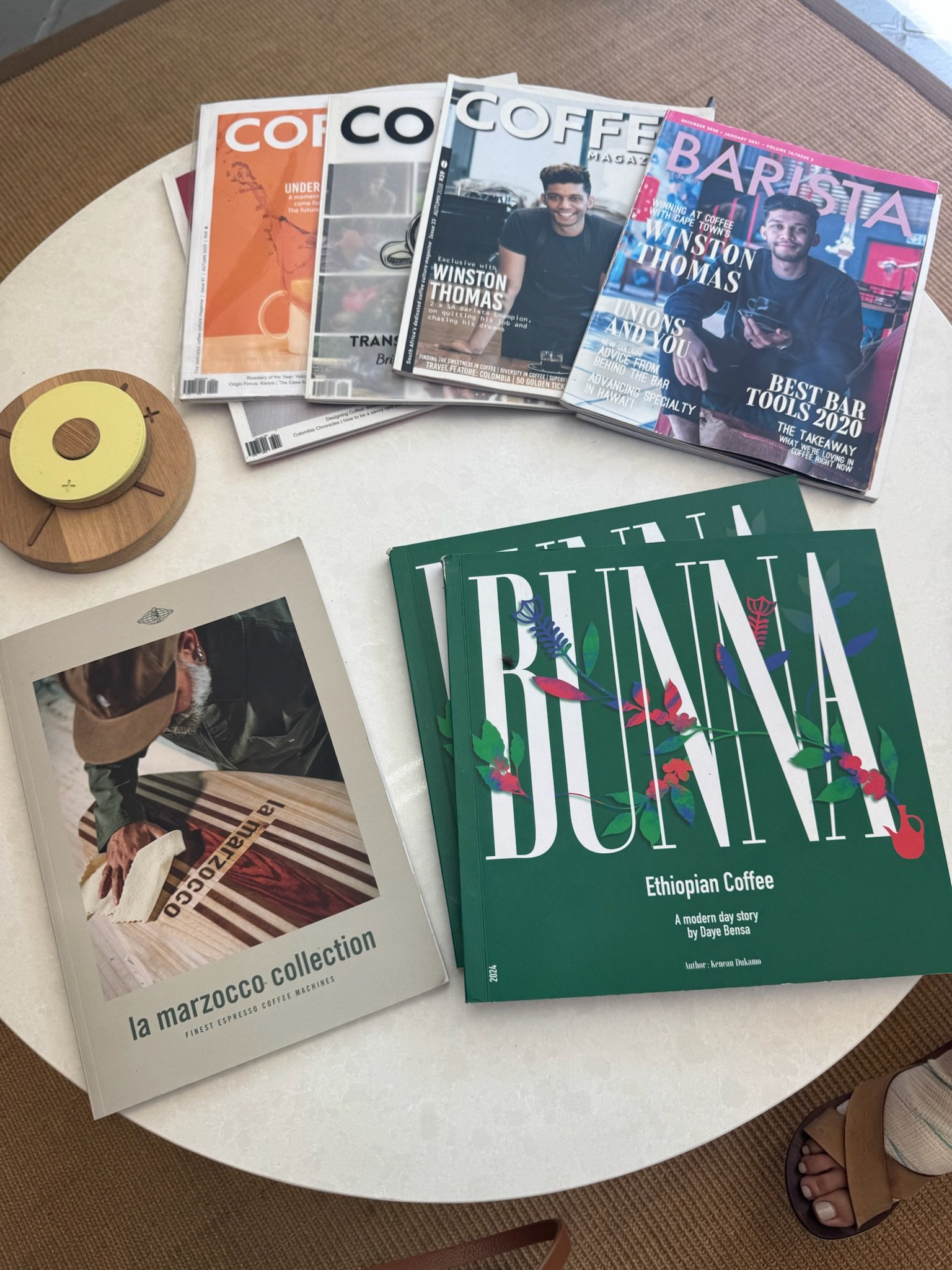
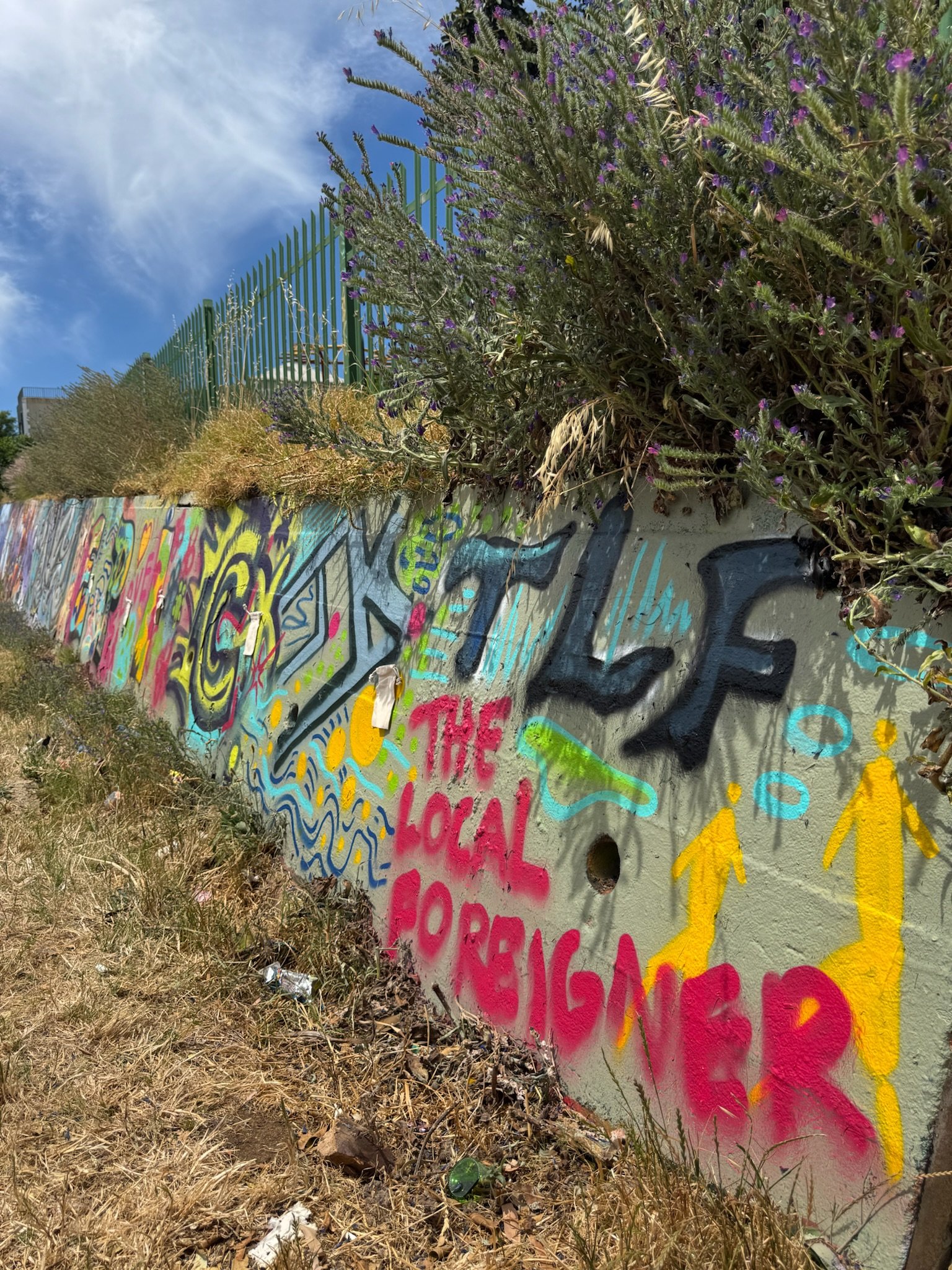
Some of the group’s most memorable moments in Cape Town came through offbeat experiences. There was a standout lunch in chef Karen Dudley’s home, which Meg called “a really transporting experience.” Storytelling is central to South African identity, which means meals can quickly turn into hours-long laughfests, local wine is flowing and one tale leading into the next. And that ease may be the most important takeaway the group brought home from southern Africa - it’s a place that offers range. It can play host to a first safari or a fifth, skew family-friendly, deeply romantic, conservation-driven, design-led, food-and-wine-focused, or all of the above. “It definitely ticks a lot of boxes,” Alex says.
The classic South Africa trip includes safari and Cape Town, with room for the Winelands or Zimbabwe depending on the traveler. But it’s a trip that can be tailored endlessly while still retaining a core magic. And while these are destinations that our team has visited countless times, the itinerary reminded everyone why returning and refreshing is just as important as scouting something new - it’s a reminder of why this part of the world continues to capture imaginations so completely.